The 1970s File Feature
Walk Right Up To The Sun
"Walk Right Up to the Sun" — The Delfonics Reach for the Light in 1971 Philadelphia's Architects of Feeling By the autumn of 1971, the Delfonics occupied a c…
01 The Story
"Walk Right Up to the Sun" — The Delfonics Reach for the Light in 1971
Philadelphia's Architects of Feeling
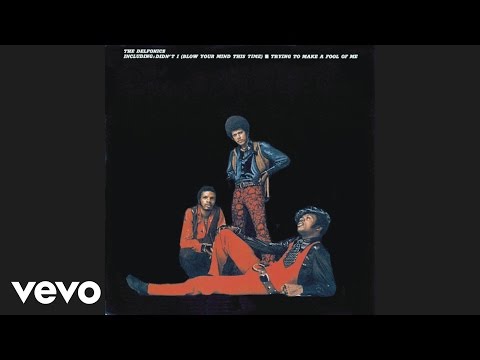
By the autumn of 1971, the Delfonics occupied a complicated position in American soul music. They had helped to invent something extraordinary, a lush, orchestral approach to rhythm-and-blues that would come to be known as Philadelphia soul, and they had done it in collaboration with producer Thom Bell, whose string arrangements and sophisticated harmonic sensibility had transformed the group from a talented local act into something genuinely new. Their late-1960s recordings, including "La-La (Means I Love You)" and "Didn't I (Blow Your Mind This Time)," had established them as masters of a particular emotional register: tender, vulnerable, almost unbearably beautiful. By 1971, however, the world was changing, and the Delfonics were navigating a landscape that was beginning to pull away from the orchestral elegance they had championed.
"Walk Right Up to the Sun" arrived in October 1971 as a single from a group that was, at this point, in transition. The partnership with Thom Bell was ending, and the Delfonics were working to define what they were outside of that collaboration. The song itself reflects some of that transitional energy: it retains the melodic sophistication of their best earlier work while reaching toward a slightly more assertive, forward-looking sentiment.
The Architecture of Aspiration
The production of "Walk Right Up to the Sun" carries the fingerprints of the Philadelphia sound even as it gestures toward something slightly new. Strings remain central to the arrangement, providing the cushion of warmth that made Delfonics recordings feel like they were taking place in a different emotional dimension from harder funk or blues. The vocal lead, anchored by William Hart's distinctive countertenor, carries an ache that was always the group's most powerful tool: the ability to make longing sound beautiful rather than painful.
The title's imagery, the direct movement toward light and warmth, gives the song a quality of determined hopefulness that distinguishes it from the more passive yearning of some of their earlier recordings. Walking toward the sun is an active gesture, a decision made rather than a condition suffered, and that quality gives the song an upward emotional trajectory that radio of the era could embrace.
Six Weeks on the Hot 100
The chart story of "Walk Right Up to the Sun" is modest but genuine. The track entered the Billboard Hot 100 on October 30, 1971, at position 100, and worked its way up over the following weeks. The song reached its peak position of number 81 on December 4, 1971, spending six weeks on the chart in total. That peak, while not reaching the heights of their signature recordings, still represents a creditable showing for a group navigating a period of genuine artistic transition.
The soul chart of 1971 was rich and competitive, with artists across multiple sub-genres competing for attention. The early 1970s brought Marvin Gaye's socially conscious recordings, the emerging sounds of harder funk, and the continued presence of Motown's polished productions. For the Delfonics to hold any position on that chart while working through significant personnel and creative changes reflects the genuine affection their audience held for them.
The Weight of What Came Before
To appreciate "Walk Right Up to the Sun" fully, you have to understand what the Delfonics had already built. La-La Means I Love You, their debut, had established a template of emotional directness wrapped in orchestral sophistication. Didn't I (Blow Your Mind This Time) had won them a Grammy Award for Best R&B Song in 1971, one of the few moments when mainstream music's recognition structures caught up with what was already obvious to their audience. The group was working from a foundation of genuine artistic achievement, and "Walk Right Up to the Sun" carries that weight without being crushed by it.
The subsequent years would see the Delfonics continue recording with diminishing commercial returns, but their influence on the development of soul music, on artists from Barry White to D'Angelo, who sampled their records and absorbed their sensibility, would prove to be far more durable than any single chart position suggested.
The Sound of Something Beautiful Reaching Its Apex
Listening to "Walk Right Up to the Sun" now, what is most striking is the quality of the aspiration in the recording. The Delfonics brought a kind of yearning to their performances that had no easy equivalents in the pop music of their time, and this track preserves that quality in amber. Put it on and you are hearing a group at a transitional moment, still capable of extraordinary beauty, reaching with everything they had for the light they named in the title.
"Walk Right Up to the Sun" — The Delfonics' singular moment on the 1970s charts.
02 Song Meaning
The Meaning Behind "Walk Right Up to the Sun" by The Delfonics
Aspiration as Emotional Posture
The image embedded in the title of this song is worth sitting with for a moment. Walking toward the sun is not a passive act; it requires turning to face the warmth, choosing the direction, committing to the movement. For the Delfonics, a group whose earlier recordings had often dwelt in the emotional territory of longing and vulnerability, this represented a subtle but significant shift in orientation. "Walk Right Up to the Sun" positions its narrator as someone who has made a decision, who has chosen to move toward light rather than remain in shadow.
That posture of active aspiration carries particular resonance when understood in the context of what soul music was doing in 1971. The early 1970s saw Black American music engaging more explicitly with questions of agency, dignity, and forward motion, from the socially conscious recordings that were transforming the genre to the simple but profound assertion that life could be different, better, brighter.
The Philadelphia Sound and Its Emotional Grammar
The Delfonics were central architects of the Philadelphia soul aesthetic, and understanding that aesthetic helps illuminate the meaning of this recording. Philadelphia soul was built on a specific emotional grammar: orchestral arrangements that created a sense of grandeur, vocal performances that emphasized vulnerability rather than bravado, and a melodic sensibility that associated beauty with emotional truth. The Philadelphia sound treated tenderness as a form of strength, and "Walk Right Up to the Sun" operates within that tradition even as it reaches toward a more assertive emotional register.
The sun imagery connects the song to a long tradition of light as metaphor in Black American music, from gospel's references to divine illumination to the secular vocabulary of hope and possibility that runs through rhythm-and-blues. When William Hart sings of walking toward the sun, he is drawing on a reservoir of cultural meaning that gives the lyric weight beyond its surface content.
The Hope in a Transitional Moment
By 1971, the optimism of the civil rights movement was being tested by persistent structural inequalities, by the ongoing trauma of Vietnam, by assassinations that had removed some of the most visionary figures from the cultural landscape. And yet soul music of this period is often suffused with a determined hopefulness that refuses to capitulate to despair. "Walk Right Up to the Sun" participates in that refusal, offering an image of forward movement as an act of will against circumstances that might counsel staying still.
That quality of determined hope, the choice to move toward warmth even when the distance seems impossible, is one of the reasons soul music of this era has maintained its power across decades. The specific circumstances change; the fundamental emotional posture remains recognizable and necessary.
Tenderness That Endures
What the Delfonics consistently offered, and what "Walk Right Up to the Sun" preserves, is a model of emotional life in which feeling deeply is presented as honorable rather than weak. Their recordings gave listeners permission to want things, to hope for warmth, to move toward the light without embarrassment. That gift, easily underestimated in an era that often rewards irony and emotional distance, turns out to be one of the most durable things a popular song can offer. Decades on, the song still reaches toward its own title with something that feels genuine.
→ More from The Delfonics
View all The Delfonics hits →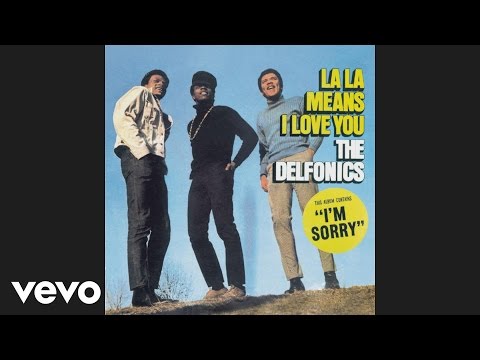

→ More from the 1970s File
View all 1970s hits →




Keep digging