The 1960s File Feature
Walking In The Rain
"Walking In The Rain" — The Ronettes and Phil Spector's Wall of Sound The Factory at Full Power Think of Philles Records in the autumn of 1964 as a kind of d…
01 The Story
"Walking In The Rain" — The Ronettes and Phil Spector's Wall of Sound
The Factory at Full Power
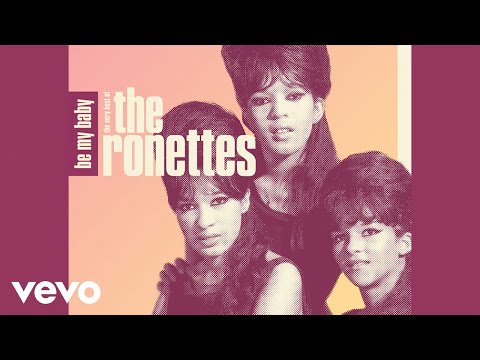
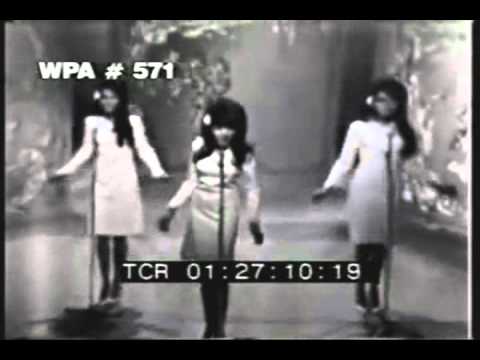
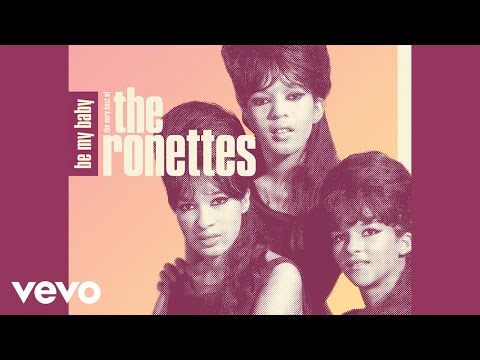
Think of Philles Records in the autumn of 1964 as a kind of dream machine, a small operation out of Los Angeles that was producing some of the grandest, most emotionally overwhelming pop music the world had ever heard. Phil Spector's Wall of Sound technique had reached full maturity by this point, layering orchestral strings, percussion, guitars, and vocals into a dense, shimmering whole that seemed to physically surround the listener. The Ronettes were the act that best embodied what this production approach could accomplish when applied to the right performers: their voices, particularly Ronnie Bennett's lead, had the power and presence to cut through the sonic density and reach the listener as something intimate and direct.
By late 1964, the Ronettes had already established themselves as one of the signature groups of the girl group era. Their 1963 breakthrough had demonstrated what the combination of Spector's production philosophy and their particular vocal blend could achieve, and the momentum from that success carried through to the releases that followed. Walking In The Rain arrived in October 1964 and proved immediately that the formula had lost none of its power.
The Recording and Its Sound
The track features production elements that have become among the most discussed in pop history. The thunderstorm sound effects that open and recur throughout the song were an innovative choice that served both the literal and metaphorical content of the track. Rain as an emotional symbol, a cleanser, a cover for tears, a setting for romantic nostalgia, had deep roots in popular music, and Spector's decision to use actual storm sounds made the metaphor physical and immediate in a way that lyrical description alone could not achieve.
Ronnie Bennett's vocal performance on the track is widely regarded as one of her finest. The way she moves through the song's emotional landscape, from longing to hope to something like consolation, demonstrates a range of expression that the Wall of Sound production amplifies without overwhelming. The orchestral arrangement, with its characteristic string runs and the percussion's echoing boom, creates a sense of scale that matches the emotional stakes the lyric sets up.
The songwriting came from Barry Mann, Cynthia Weil, and Phil Spector himself, a collaboration that brought together some of the Brill Building era's most accomplished practitioners with the production visionary who was pushing beyond everything Brill Building pop had previously imagined. The combination produced material that worked perfectly within Spector's sonic framework while standing as genuinely excellent songwriting on its own terms.
The Chart Performance
The Billboard Hot 100 entry began on October 24, 1964, at number 95. Over the following weeks the track climbed through the competition of one of the most stacked seasons in pop chart history. By December 5, 1964, it had reached its peak of number 23, spending eleven weeks total on the chart. A Top 25 placement during the height of the British Invasion, when American radio was absorbing enormous quantities of new material from overseas, represents genuine achievement. The track's ability to compete successfully in that environment speaks to the power of the production and the performance combined.
Eleven weeks on the Hot 100 with a number 23 peak confirmed that the Ronettes retained the ability to cross from their core girl group audience into the broader pop market, competing directly with everything that the British acts and their American equivalents were releasing at the same moment.
The Grammys and Recognition
The track earned a Grammy nomination for Best Rhythm and Blues Recording, which provided formal acknowledgment of the record's quality from within the music industry. For an act working in a genre that did not always receive the institutional recognition it deserved, that nomination was meaningful confirmation of the track's standing among music professionals.
Legacy in the Canon
In the decades since its release, Walking In The Rain has accumulated the kind of critical reputation that sometimes exceeds the original commercial performance. Music historians and critics who have examined the girl group era in depth consistently cite it as one of the finest examples of what the Wall of Sound could achieve, and Ronnie Bennett's vocal performance has been cited by numerous artists as a touchstone influence. The combination of production ambition and emotional directness that the track achieves makes it one of the defining recordings of its era.
Let the storm sounds wash over you and rediscover what it meant for pop music to be this large and this intimate simultaneously.
"Walking In The Rain" — The Ronettes' singular moment on the 1960s charts.
02 Song Meaning
"Walking In The Rain" — Weather, Longing, and the Romantic Imagination
Rain as Emotional Landscape
The use of rain as a metaphor in romantic music is so widespread that it risks becoming cliche, but Walking In The Rain manages to renew the convention through the specificity and sincerity of its execution. The narrator is not using rain merely as a backdrop or a mood-setter; she is imagining walking in the rain with someone she has not yet met, projecting future intimacy onto a present experience of ordinary weather. That imaginative act, reaching toward connection through the mundane details of daily life, is psychologically acute and emotionally real in ways that more dramatic romantic scenarios rarely achieve.
Longing and Anticipation
The emotional mode of the track is unusual among romantic songs of the era: the narrator is not celebrating an existing relationship or mourning a lost one. She is in the space between, somewhere in the middle of ordinary life and waiting for something she cannot yet describe precisely but can feel the absence of. This emotional territory of anticipatory longing is more honest and more complex than either the celebration or the lament, and it is part of what gives the track its particular resonance with listeners who recognize the experience from their own lives.
The specificity of rain as the setting for this longing is not incidental. Rain creates a particular social experience: people take shelter together, share umbrellas, move closer. Rain also blurs visibility and softens sound, creating a kind of acoustic and visual privacy that encourages intimacy. By imagining a romantic encounter in this specific weather context, the narrator is imagining something both ordinary and charged with possibility.
Phil Spector's Production as Emotional Amplifier
The Wall of Sound production does something remarkable with the track's emotional content. By surrounding Ronnie Bennett's voice with an orchestra, percussion, and actual storm sounds, Spector makes the narrator's internal emotional state external and physical. The grandeur of the production is not at odds with the intimacy of the theme; it is the sonic equivalent of the feeling that romantic longing can produce, the sense that an internal experience is somehow as large as the world. The production doesn't overwhelm the emotion; it matches it, translating the feeling into sound at the scale it actually occupies in the narrator's experience.
This is Spector's great artistic achievement in this period: he understood that emotional experiences at their most intense feel enormous to the person having them, and he developed a production philosophy designed to communicate that enormousness to the listener.
The Girl Group Era and Female Romantic Longing
The girl group genre of the early 1960s created a specific space in popular music for the exploration of female romantic experience, giving young women songs that addressed their own inner lives from the inside rather than from the male perspective that dominated most pop. Walking In The Rain participates in this tradition while pushing it slightly further in terms of emotional complexity. The narrator is not passive; she is actively imagining and planning, constructing an interior romantic life with considerable sophistication even while waiting for its external realization.
That combination of active imagination and patient waiting is a psychologically rich portrait, and it speaks to why the track resonated so broadly with female audiences who recognized the experience it described.
"Walking In The Rain" — The Ronettes' singular moment on the 1960s charts.
→ More from The Ronettes
View all The Ronettes hits →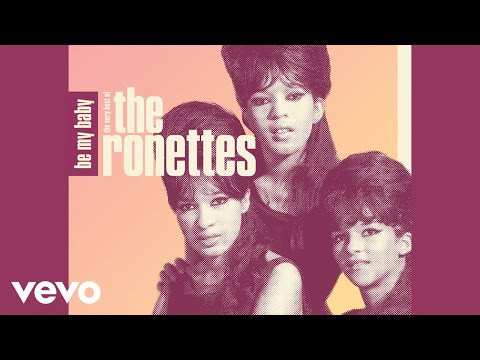

→ More from the 1960s File
View all 1960s hits →




Keep digging