The 1960s File Feature
Wear It On Our Face
Wear It On Our Face by The Dells: Chicago Soul's Long-Running Success Story, 1968 Spring 1968 was an extraordinary moment for American soul music, and The De…
01 The Story
Wear It On Our Face by The Dells: Chicago Soul's Long-Running Success Story, 1968
Spring 1968 was an extraordinary moment for American soul music, and The Dells were one of the groups who had waited longest to claim their rightful share of its commercial possibilities. The Chicago-based vocal group had been recording and performing since the mid-1950s, developing a sound and a chemistry over more than a decade of work that would finally produce sustained chart success in the late 1960s. Wear It On Our Face arrived in April 1968 as part of the group's commercial breakthrough, climbing eight weeks on the Hot 100 and reaching the top 50.
The Dells: A Decade of Work Before the Breakthrough
The Dells had formed in Harvey, Illinois in the mid-1950s, and their decade-plus journey toward sustained commercial success is one of the more remarkable stories in Chicago soul. The group had released recordings through various labels and had earned a devoted following without consistently crossing into mainstream commercial territory. The combination of close harmony singing, a complex vocal interplay between the group's multiple voices, and a commitment to emotional intensity that went beyond what many groups of their era were willing to attempt gave The Dells a distinctive character that was recognizable but not always easy to market.
The group's vocal chemistry, particularly the contrast between the high, clear tenor of Johnny Carter and the deep, resonant bass of Marvin Junior, created a dynamic range within a single group that could support both delicate ballads and driving uptempo material. Wear It On Our Face drew on this range, using the group's vocal architecture to build a record with genuine emotional complexity.
Chart Performance in Spring 1968
Wear It On Our Face entered the Billboard Hot 100 on April 13, 1968, debuting at position 82. Over the following weeks it climbed steadily: 70, 64, 62, 53, and continued upward before peaking at number 44 during the week of May 25, 1968. The eight-week chart run placed the record solidly in the top 50, a commercial achievement that reflected the group's growing mainstream recognition following their association with Cadet Records and the distinctive production approach that label was developing.
Spring 1968 was a turbulent period in American life, marked by the assassination of Martin Luther King Jr. in April and the social upheaval that followed. That The Dells' recording found a commercial audience during this period speaks to the enduring capacity of soul music to connect with listeners even amid profound social disruption.
The Chicago Soul Context
The Dells' work in the late 1960s was part of the broader Chicago soul scene that had developed its own distinctive approach to the genre, somewhat distinct from the Motown sound to the north and the Memphis and Muscle Shoals sounds to the south. Chicago soul, particularly as developed through Vee-Jay and later through Cadet and its associated labels, tended toward a richer harmonic sophistication and a deeper engagement with the vocal group tradition. The Dells exemplified this approach, their complex multi-voice arrangements drawing on both the doo-wop tradition from which they had emerged and the more contemporary soul production of the mid-1960s.
The Legacy of a Long Career
The Dells would go on to enjoy even greater commercial success in the late 1960s and into the 1970s, with recordings that demonstrated the full range of their vocal and emotional capabilities. Wear It On Our Face belongs to the early phase of this commercial breakthrough, a record that demonstrated the group's commercial viability while maintaining the artistic qualities that made their best work genuinely distinctive. Their sustained longevity, from the mid-1950s through decades of recording and performing, represents one of the more remarkable careers in American soul music, and each of their chart entries is a data point in a story of remarkable persistence and eventual commercial recognition.
Press play and hear what happens when a group spends more than a decade perfecting its craft before the charts catch up to what it can do.
Wear It On Our Face — The Dells' singular moment on the 1960s charts.
02 Song Meaning
The Meaning Behind Wear It On Our Face: Transparency, Emotional Display, and Chicago Soul's Vocal Art
The title Wear It On Our Face proposes an interesting metaphor for emotional experience: the idea that feeling is legible in physical appearance, that love or joy or grief shows itself involuntarily in the face and cannot be hidden even if the bearer wanted to hide it. This metaphor of involuntary emotional display is central to a tradition of soul music that values authentic feeling over composed presentation, and The Dells were among the most committed practitioners of that tradition.
Emotional Transparency as Artistic Value
The concept of wearing emotion on the face suggests a form of radical emotional transparency that is both vulnerable and honest. If your feelings are visible without your choice or control, you cannot perform emotions you do not feel, and you cannot conceal emotions you do feel. This enforced transparency is what soul music at its most powerful aspires to in performance: the feeling that what you are hearing is exactly what the performer is experiencing, with no gap between interior state and outward expression.
The Dells, with their complex vocal interactions and their willingness to go to emotional extremes within a single performance, embodied this ideal. Their recordings do not sound managed or calculated; they sound like emotional events that are being caught by the recording equipment as they happen.
Group Vocal Chemistry as Emotional Argument
One of the distinctive features of The Dells as a recording and performing act was the way their group vocal chemistry created emotional meanings that no individual voice could produce alone. The conversation between their voices, the way one vocal line responds to another, creates a kind of communal emotional display: it is not just one person wearing their feeling on their face but a group of people whose shared experience is visible in their interactions.
This communal quality of emotional display is one of the things that makes vocal group music distinctively powerful. The presence of multiple voices agreeing on an emotional statement, supporting and reinforcing each other in their expression of a shared feeling, creates a social dimension to the music that solo performance cannot achieve. You are not just listening to a person's feeling; you are listening to a community's feeling.
The Doo-Wop Inheritance
The Dells emerged from the doo-wop tradition of the 1950s, and their approach to vocal group music carries the traces of that inheritance even in their late-1960s soul recordings. Doo-wop at its best was music of emotional display: the harmonies, the falsetto leads, the bass foundations all worked together to create an expressiveness that was communal and immediate. The Dells brought this inheritance into the soul era and inflected it with the more sophisticated production approaches and harmonic ambitions that the late 1960s Chicago soul scene made available.
Wear It On Our Face sits at this intersection, its title's concept of visible emotion perfectly suited to a group whose music was always, fundamentally, about making invisible feeling visible through sound.
Soul Music as Emotional Documentation
At its best, soul music functions as a form of emotional documentation: it captures specific emotional states with such accuracy and immediacy that listeners recognize their own experiences in the music and find them validated and expressed. The Dells' recordings from this period of their career are particularly effective as emotional documents because the group's technical sophistication was always in service of emotional communication rather than technical display. Wear It On Our Face documents the specific experience of love that is so overwhelming it cannot be concealed, and it does so with the vocal artistry of a group that had spent more than a decade developing the tools to communicate exactly that kind of feeling.
→ More from The Dells
View all The Dells hits →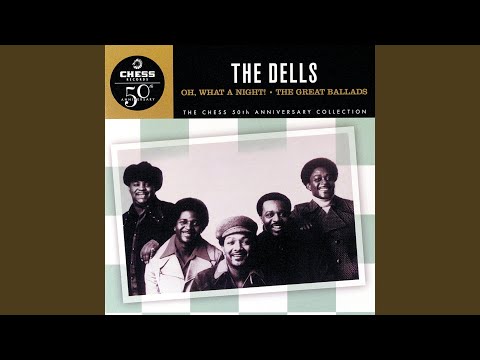


→ More from the 1960s File
View all 1960s hits →




Keep digging