The 1960s File Feature
Always Together
"Always Together" — The Dells and the Gospel of Staying Power Chicago Soul at Its Most Refined By the fall of 1968, the Dells had been together for nearly fi…
01 The Story
"Always Together" — The Dells and the Gospel of Staying Power
Chicago Soul at Its Most Refined
By the fall of 1968, the Dells had been together for nearly fifteen years, a remarkable fact in an industry that consumed its acts with industrial efficiency. They had survived lineup changes, label shifts, near-obscurity, and the churning of musical fashion through multiple cycles. What brought them back to mass attention that autumn was something the music business rarely rewards with chart success: patience, fidelity to craft, and a willingness to completely reimagine a catalog that had already failed to find the mainstream audience it deserved.
The Dells formed in Harvey, Illinois in the early 1950s and spent years developing the close-harmony vocal style that would eventually define their sound. The group's core lineup included Marvin Junior, Johnny Funches, Verne Allison, Mickey McGill, and Chuck Barksdale, five voices capable of navigating from whisper to roar within a single song. Their sound drew equally on gospel tradition, doo-wop architecture, and the emerging urban soul of Chicago's music scene.
The Cadet Records Resurrection
The Dells' commercial breakthrough in the late 1960s came after they signed with Cadet Records, the jazz and soul subsidiary of Chess Records in Chicago. Producer Charles Stepney and arranger Wade Flemons worked with the group to create a sound that retained their vocal firepower while surrounding it with sophisticated orchestration rooted in the emerging sophisticated soul approach that would flower across the late 1960s and early 1970s. This partnership yielded some of the most remarkable recordings in Chicago soul history.
"Always Together" was part of this productive period, showcasing the group's ability to make romantic devotion feel genuinely momentous. The production featured lush string arrangements and a rhythmic foundation that balanced the era's soul conventions with the Dells' particular theatrical gifts. Marvin Junior's rougher, more gospel-inflected voice traded phrases with Johnny Carter's smoother tenor in a dynamic that had few equals on the soul charts of 1968.
Eight Weeks on the Hot 100
The track debuted on the Billboard Hot 100 on October 12, 1968, entering at number 77. Over the following weeks it climbed steadily through a market that was absorbing an enormous range of soul and R&B recordings that year. The ascent was gradual but consistent: 67, 54, 37, holding at 37 before making its final push. The song peaked at number 18 on November 16, 1968, spending a total of eight weeks on the chart and establishing the Dells firmly in the mainstream consciousness that had eluded them for so long.
On the R&B charts, the Dells regularly performed better than their Hot 100 positions suggested, reflecting the group's deep connection with a core audience that purchased their records regardless of pop chart placement. The crossover to Hot 100 success in 1968 represented the mainstream finally catching up to an audience that had been paying attention for years.
A Group That Outlasted Its Contemporaries
The Dells' durability made them unusual among the vocal groups of their generation. Many of the doo-wop and early soul ensembles that formed in the 1950s had dissolved before the decade ended; the music business of that era offered little structural support for groups that could not sustain immediate commercial momentum. The Dells persisted through commercial lean years by continuing to perform on the club and touring circuit, refining a live show that kept their skills sharp and their fanbase loyal.
When the Cadet period began, the group brought with them an accumulated maturity that younger acts simply could not fake. The emotional weight they could deliver in a ballad like "Always Together" came from actual experience, from years of singing about devotion and loss with enough accumulated living to know what those words meant beyond the melody.
Chicago Soul's Contribution to American Music
The late 1960s Chicago soul scene centered on Chess, Cadet, and their affiliated labels produced a body of recordings that has only grown in critical stature over the decades. The Dells were one of its most consistent and distinctive voices, capable of spanning the emotional range from raw blues-inflected soul to orchestrated pop with a fluency that few contemporary acts matched.
Put on "Always Together" and hear five voices that had been singing together long enough to breathe as one. That kind of harmony cannot be manufactured in a studio; it has to be lived into over years of shared stages and road-tested devotion to the music.
"Always Together" — The Dells' singular moment on the 1960s charts.
02 Song Meaning
"Always Together" — Devotion as a Practiced Art
The Sustained Note of Commitment
Romantic devotion is one of popular music's oldest subjects, but songs that address it well tend to find some angle that resists the clichéd. "Always Together" by the Dells succeeded in part because it was performed by a group whose own togetherness was its most compelling argument. Five men who had been singing in close harmony for fifteen years had earned the right to sing about enduring partnership with a conviction that a younger act could only approximate. The song's subject and the group's history were in genuine alignment.
The lyrical content centered on the reassurance of continued presence, the promise that connection would persist across time and difficulty. This is modest emotional territory by the standards of ambitious songwriting, but the Dells made it feel expansive through the sheer force of their delivery and the sophistication of the production surrounding them.
Gospel Roots and Soul's Emotional Grammar
Chicago soul of the late 1960s drew heavily on the emotional architecture of gospel music, and the Dells were among its most genuine inheritors. Marvin Junior had developed his vocal style in churches before applying it to secular material, and that background gave his performances a quality of testifying, of speaking not just to the person in the lyric but to everyone in earshot who might need to hear the same message. The gospel tradition of call and response, of one voice stating and others affirming, structured the Dells' vocal approach in ways that audiences responded to viscerally, even without necessarily identifying the source.
When the group sang about staying together, the full weight of that tradition was behind the words. The promise in the lyric was also a performance of the promise, enacted by five voices that had actually kept faith with each other across years of commercial uncertainty.
1968 and the Hunger for Emotional Ballast
The cultural moment of late 1968 was one of considerable turbulence. The assassinations of Martin Luther King Jr. and Robert F. Kennedy earlier that year, the violence at the Democratic National Convention, and the ongoing grinding reality of the Vietnam War had produced a national atmosphere of grief and uncertainty. Soul music of this period often served as emotional ballast, providing in sound the stability and warmth that the larger world seemed incapable of offering.
A song about permanent devotion and steady companionship carried particular resonance in that context. Listeners were not merely seeking entertainment; they were seeking reassurance that some forms of connection could be trusted to persist. The Dells' performance offered exactly that quality, a sense that the loyalty described in the lyric was real and achievable.
Legacy in the Chicago Soul Canon
The Dells remained active through multiple subsequent decades, continuing to record and perform well into the era of hip-hop sampling that would introduce their sound to entirely new generations. Their Cadet recordings, including the recordings from this productive late-1960s period, became touchstones for producers working in soul and R&B across the following decades. The group's ability to deliver emotional authenticity without sentimentality or excess made their recordings enduringly useful as source material and as listening experiences in their own right.
"Always Together" sits within that legacy as an example of what the Chicago soul sound could achieve when production sophistication and genuine vocal craft were working together toward the same emotional goal: the clear, unhurried communication of what it feels like to mean it.
→ More from The Dells
View all The Dells hits →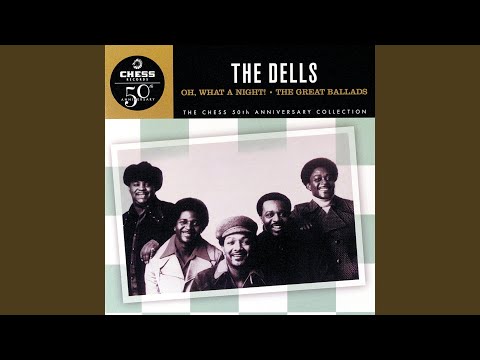



→ More from the 1960s File
View all 1960s hits →




Keep digging