The 1960s File Feature
There Is
"There Is" — The Dells' Soul Masterpiece That Conquered 1968 Chicago Soul at Its Peak If you want to understand what soul music was capable of in 1968, you c…
01 The Story
"There Is" — The Dells' Soul Masterpiece That Conquered 1968
Chicago Soul at Its Peak
If you want to understand what soul music was capable of in 1968, you could do worse than start with The Dells. This Chicago-based vocal group had been performing together since the early 1950s, which means that by the time "There Is" arrived on the Billboard Hot 100 in January 1968, they had been perfecting their craft for the better part of two decades. That depth of experience showed in everything they did, the tightness of the harmonies, the confidence of the lead vocals, the ease with which they moved between tenderness and power.
The Dells were one of the great vocal groups in rhythm and blues history, though their story is more complicated than a simple arc of success. They had experienced significant lineup changes, a period of commercial difficulty in the early 1960s, and then a remarkable resurgence that brought them to Cadet Records, a Chicago-based label with a sophisticated approach to soul and R&B production. Their collaboration with producer and arranger Charles Stepney and the Cadet/Chess Records creative infrastructure proved transformative, giving their sound a lushness and ambition that matched the emotional scale of their vocal performances.
The Arrangement as Architecture
"There Is" benefits from the kind of orchestral soul production that Chicago's recording scene had become expert at delivering. The strings are rich and purposeful, the horn arrangements precise without being intrusive, and the rhythm section lays down a foundation that serves both the groove and the emotional weight of the vocal. Charles Stepney's work with The Dells during this period represents some of the finest soul production of the era, combining the grandeur of orchestral arrangement with the directness that the genre demanded.
The vocal performances are the centerpiece. Marvin Junior's raw, raspy lead and Johnny Carter's falsetto provided The Dells with a contrast that few groups could match, and "There Is" deploys both voices with precision. The interplay between lead and harmony vocal, the call and response, the moments when the whole group locks together in unison, all of it reflects years of performing together and knowing exactly how each voice will interact with the others.
The Chart Ascent
The single entered the Billboard Hot 100 on January 20, 1968, at position 82. Its climb was impressive: steady week-by-week gains that reflected consistent radio pickup across both R&B and pop formats. The record peaked at number 20 on February 17, 1968, spending eleven weeks on the chart in total. A peak of 20 on the Hot 100 was a genuine mainstream crossover achievement for a vocal group whose primary strength was in the R&B market.
Eleven weeks of chart presence across the hot 100 was substantial for early 1968, a period when the pop chart was fiercely competitive and crossover success for soul acts depended on production quality as much as vocal talent. The Dells had both, and their Cadet Records backing gave them the infrastructure to reach radio programmers who might otherwise have overlooked them.
A Group Reborn
The commercial success of "There Is" was part of a broader renaissance for The Dells that saw them reclaim their position as one of soul music's premier vocal groups after years in the commercial wilderness. Their late 1960s output, produced with Cadet and shaped in significant part by Stepney's arrangements, stands as some of the most sophisticated soul music of the era. The group demonstrated that longevity in the music industry was possible, that talent and craft could sustain a career through commercial cycles that destroyed less grounded artists.
The Dells' story is one of remarkable persistence rewarded. They stayed together through difficulties that broke up most groups, maintained their commitment to vocal harmony in an era of rapid stylistic change, and found in the Chicago soul scene of the late 1960s exactly the creative environment they needed to realize their potential fully.
Legacy of a Great Vocal Group
Soul music in 1968 was producing some of the most emotionally intense popular music ever recorded, and The Dells were among its finest practitioners. "There Is" captures them at a moment of creative confidence, backed by world-class production and delivering a performance that justifies every year of preparation they had put in. Play it loud and you will understand immediately why Chicago soul holds the place it does in the history of American music.
"There Is" — The Dells' singular moment on the 1960s charts.
02 Song Meaning
"There Is" — The Soul Tradition of Testimony and Transcendence
Affirmation as a Musical Act
Soul music in the late 1960s understood something that more commercially calculating approaches often missed: that affirmation, the act of stating with conviction that something good exists and is real, can be as emotionally powerful as any lament. "There Is" by The Dells operates within this tradition of musical testimony, a song built on the declaration that love, connection, something transformative and life-altering, is present and available. The emotional force of the track comes from the sincerity of that declaration, delivered by voices that have spent decades learning how to make conviction audible.
The word "is" in the title carries significant weight. Not "was," not "might be," but present tense, active, certain. This grammatical choice shapes the entire emotional register of the song, positioning the narrator not as someone longing for what is absent but as someone in genuine possession of what the song describes. For listeners who had experienced soul music primarily as a form of beautiful suffering, this posture of fulfillment offered something different and welcome.
The Spiritual and the Secular
The Dells, like many soul vocal groups of their generation, came out of the gospel tradition, and that heritage inflects how they approach material even when it is ostensibly secular. The fervor with which they deliver a love lyric carries the same emotional architecture as devotional music, the sense that what is being sung about matters enormously, that the singers are fully committed to the truth of what they are expressing.
This gospel influence gave Chicago soul a particular emotional intensity that distinguished it from other regional soul sounds. The music reached for something larger than the personal, even when describing personal experience, connecting individual feeling to broader human truths. In "There Is," the declaration of love becomes something close to a declaration of faith, not in a religious sense specifically but in the deeper sense of trusting that something real and good exists in the world.
The Era of Transformation
1968 was one of the most turbulent years in American history, with political assassinations, urban unrest, and a war in Vietnam that was dividing the country with increasing bitterness. Soul music in this context carried particular weight as both an artistic form and a cultural expression of Black American life at a moment of profound stress and profound possibility.
The Dells' music arrived in this context as something that could be heard in multiple registers simultaneously: as a love song in the most personal sense, as a community expression of resilience and affirmation, as a demonstration of craft and dignity in the face of ongoing difficulty. The richness of the production, the sophistication of the arrangements, argued implicitly for the seriousness and complexity of Black artistic culture at a moment when that argument needed to be made.
Why the Song Endures
Declarations that something good is real and present do not go out of date. The specific cultural anxieties of 1968 have given way to new ones, but the human need for that kind of affirmation remains constant. "There Is" speaks to that need with a directness and emotional completeness that transcends its specific moment.
The vocal performances are also simply extraordinary on their own terms. The interplay between The Dells' voices, the way the harmonies support and amplify the lead vocal, the precision and passion they bring to the material, would be remarkable in any era. Songs survive when they reward repeated listening, and this one does, revealing new qualities each time you come back to it.
→ More from The Dells
View all The Dells hits →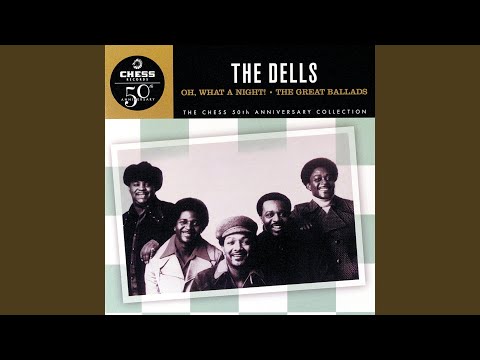


→ More from the 1960s File
View all 1960s hits →




Keep digging