The 1960s File Feature
I Shall Be Released
The Soulful Take on I Shall Be Released by The Box Tops Picture the spring of 1969, when blue-eyed soul was at its peak and a Memphis band fronted by a teena…
01 The Story
The Soulful Take on "I Shall Be Released" by The Box Tops
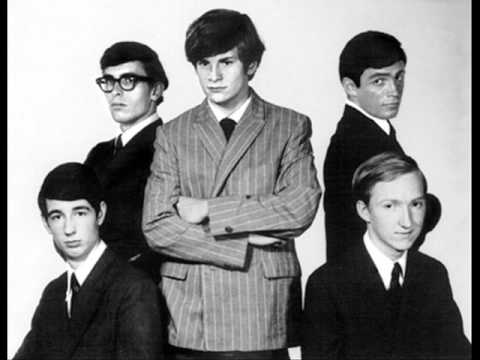
Picture the spring of 1969, when blue-eyed soul was at its peak and a Memphis band fronted by a teenager with an impossibly weathered voice could turn even a hushed folk meditation into something deeply moving. The Box Tops were exactly that band, led by the young Alex Chilton, whose gritty, soulful delivery belied his years. That season they took on one of Bob Dylan's most beloved and covered compositions, bringing their own blue-eyed soul sensibility to a song already on its way to becoming a modern standard. It was a bold and heartfelt interpretation, the work of a band that understood the song's longing for freedom.
Where The Box Tops Stood in 1969
By 1969, The Box Tops were established hitmakers, famous for their soulful, Memphis-bred pop sound. Fronted by the remarkable young singer Alex Chilton, the group had already scored major hits, most notably their gravel-voiced smash that announced Chilton as one of the most distinctive vocalists in pop. Chilton's voice was a marvel, carrying a depth of feeling and a rough soulfulness that seemed impossible for someone so young. By this point the band was exploring a range of material, and tackling a Dylan composition allowed them to apply their blue-eyed soul approach to a song of real substance and weight. The decision to cover such a serious and widely admired song signaled a band reaching for something beyond catchy radio fare. It was the kind of ambitious choice that hinted at deeper artistic instincts, particularly in Chilton, whose later career would reveal an artist of restless creativity and uncommon depth.
The Sound of the Song
The track takes Bob Dylan's contemplative, gospel-tinged composition and reimagines it through the lens of Memphis soul. The song was written by Bob Dylan and has been recorded by countless artists, its themes of imprisonment and the hope of release making it a favorite for interpretation. The Box Tops bring a soulful warmth to their version, with Chilton's distinctive, weathered voice carrying the lyric's yearning for freedom. The arrangement frames his vocal with the warm, organic textures of late-1960s soul, lending the song a heartfelt, emotional quality. It is a respectful and moving interpretation, the sound of a soulful band honoring a great song.
Its Run on the Hot 100
The single found a modest place on the pop chart. It debuted on the Billboard Hot 100 on April 26, 1969, entering at number 90. From there it climbed through the spring, rising to 76, then 69, before reaching its peak of number 67 during the week of May 17, 1969. The record spent five weeks on the Hot 100, a respectable if modest showing. While it did not match the towering success of the band's biggest hits, the placement reflected their continued presence on the chart and their willingness to take on ambitious, meaningful material beyond straightforward pop.
Its Place in Their Story
This single represents an interesting chapter in The Box Tops' catalog, a moment when they reached beyond their hit-making formula toward something deeper. It showcases Alex Chilton's extraordinary voice on a song of real emotional weight, hinting at the artistic restlessness that would later define his celebrated work with Big Star. For fans of blue-eyed soul and of Chilton's remarkable career, this interpretation is a rewarding listen, a heartfelt take on a beloved standard. It captures a great young singer applying his gifts to a song worthy of them.
Press play and let Alex Chilton's weathered, soulful voice carry the longing for freedom at the heart of this beloved Dylan composition.
"I Shall Be Released" — The Box Tops's singular moment on the 1960s charts.
02 Song Meaning
What "I Shall Be Released" Is Really About
This is a song of yearning for freedom, a contemplative meditation on imprisonment and the hope of eventual release. Written by Bob Dylan, it has been interpreted as both a literal and a deeply spiritual statement, its imagery of confinement and the promise of liberation lending it a near-universal resonance. The Box Tops bring a soulful warmth to that yearning, capturing the song's mix of weariness and stubborn hope.
The Central Theme of Longing for Freedom
At its heart the song is about the desire to be set free. The lyric speaks from a place of confinement, looking toward the promise of release, whether that confinement is literal, emotional, or spiritual. That theme of longing for freedom gives the song its profound, almost hymn-like quality. It speaks to anyone who has felt trapped by circumstance and held onto the hope of better days, which is why it has resonated so widely across decades and genres.
The Spiritual Dimension
One of the reasons the song endures is its layered meaning. The imagery of release carries a spiritual weight, suggesting redemption and deliverance as much as physical freedom. This gives the lyric a depth that invites repeated interpretation, allowing each listener to find their own meaning in its words. The Box Tops lean into that emotional and spiritual resonance, their soulful delivery emphasizing the song's quality of weary faith and its quiet conviction that release will come.
The Cultural Moment of 1969
The late 1960s were a time of social upheaval and searching, and songs about freedom and liberation carried real weight. Bob Dylan's compositions had become touchstones for a generation, and his songs were widely covered by artists across every genre. A soulful interpretation of one of his most meaningful works fit naturally into that moment. It belongs to an era when popular music grappled with serious themes, and when a great song could speak to both personal and collective longings.
Why It Resonates
The reason this song endures across so many versions is the universality of its central hope. Everyone has longed for release from something, whether a hardship, a sorrow, or a sense of being trapped, and the song gives that longing a voice of weary, dignified hope. The Box Tops' soulful reading brings that emotion vividly to life, and listeners hear their own yearning reflected in it. That timeless message of hope for freedom is exactly what gives the song its enduring, deeply moving power. The promise embedded in its very title, the simple assurance that release will eventually come, offers a comfort that listeners have returned to again and again across the decades.
→ More from The Box Tops
View all The Box Tops hits →
→ More from the 1960s File
View all 1960s hits →




Keep digging