The 1960s File Feature
Choo Choo Train
Choo Choo Train by The Box Tops Blue-Eyed Soul From Memphis Step into the summer of 1968, a moment when American pop was rich with soul, and few young acts c…
01 The Story
"Choo Choo Train" by The Box Tops
Blue-Eyed Soul From Memphis
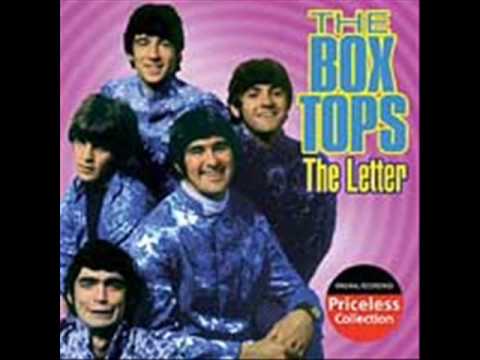
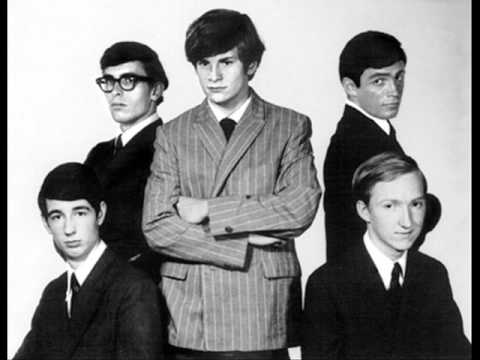
Step into the summer of 1968, a moment when American pop was rich with soul, and few young acts captured that flavor more convincingly than The Box Tops. Hailing from Memphis, a city soaked in soul music history, the group had burst onto the scene with a massive debut hit that stunned listeners with the gravelly, world-weary voice of their teenage lead singer, Alex Chilton. That voice, improbably mature for someone so young, became their signature, a soulful rasp that lent every song a depth beyond its years. By 1968 The Box Tops were established hitmakers, purveyors of a polished blue-eyed soul sound that blended pop craft with genuine Memphis grit. "Choo Choo Train" arrived during this productive period, another slice of the soulful pop that had made the group a fixture on the charts and the radio.
Memphis Craft, Pop Appeal
The record delivers the group's characteristic blend of soul feeling and pop accessibility. Built on a solid groove with sophisticated production, it gives Chilton's remarkable voice center stage while surrounding it with the horns, rhythm, and melodic hooks that made The Box Tops so radio-friendly. The track showcases Chilton's distinctively soulful, weathered vocal against polished pop-soul production. There is a warmth and momentum to it, a professional sheen born of the skilled Memphis studio scene that shaped the group's sound. The song moves with easy confidence, pairing an infectious feel with real emotional weight. It is the sound of a group that knew how to make a hit, combining commercial instincts with the authentic soul that was their birthright.
A Confident Climb Into the Top Thirty
The chart run reflects a solid success for the group. "Choo Choo Train" debuted on the Billboard Hot 100 on June 1, 1968, at number 62. It climbed with real speed, leaping to 39, then 34, then 27, and reaching number 26 in successive weeks, a strong and confident ascent. The single peaked at number 26 during the week of June 29, 1968, and spent eight weeks on the Hot 100. Cracking the top thirty marked another reliable hit for The Box Tops, confirming their standing as consistent chart performers. While it did not match the towering success of their biggest smashes, a peak in the mid-twenties was a genuine achievement, the kind of result that kept the group firmly in the public eye during their heyday.
Soul's Golden Moment
The context of 1968 places The Box Tops at the heart of a soul-saturated era. Memphis and the broader Southern soul scene were producing some of the most enduring music in American history, and the group drew directly from that wellspring. Blue-eyed soul, white artists performing in the soul idiom, was a significant strand of the era's pop. The Box Tops stood among the most successful blue-eyed soul acts of the late 1960s. Their Memphis roots gave them credibility, and their pop instincts gave them hits. "Choo Choo Train" is a fine example of that combination, a record steeped in soul feeling yet perfectly pitched for mainstream radio during soul's golden age.
A Chapter in a Storied Legacy
In the broader story of The Box Tops, this single is a solid entry from their peak, part of a run of hits that defined their brief but bright career. Alex Chilton would later become a hugely influential figure in rock, particularly through his subsequent work that inspired generations of alternative musicians. That later influence has lent The Box Tops' catalog additional fascination for fans tracing his artistic journey. Today "Choo Choo Train" endures as a beloved cut from the group's soulful heyday, holding around 69,000 YouTube views, treasured by fans of sixties soul-pop and admirers of Chilton's remarkable voice.
Press Play and Ride Along
Cue this one up and you get The Box Tops in fine form, that unmistakable weathered voice riding a warm, soulful groove. It moves with easy confidence and genuine feeling, the sound of Memphis pop-soul at its most appealing. It is a rich, rewarding listen. Press play and let it roll.
"Choo Choo Train" — The Box Tops' singular moment on the 1960s charts.
02 Song Meaning
The Meaning Behind "Choo Choo Train"
The Train as a Symbol of Longing
At its heart, "Choo Choo Train" uses the age-old image of the train to explore themes of separation, journey, and longing for a distant love. The central theme is the ache of being apart from someone and the yearning for reunion. The train, a powerful symbol in American music, evokes movement, distance, and the bittersweet reality of coming and going. The lyric channels the emotion of separation through that familiar imagery, capturing the feeling of watching a loved one carried away, or of riding toward or away from the person one longs for.
Soulful Yearning
What gives the song its emotional force is the way Chilton's weathered voice conveys the longing at its core. The maturity and grit of his delivery lend the theme real depth, making the yearning feel lived-in rather than merely sung. The emotional message is one of heartfelt longing, delivered with genuine soul feeling. This is where the group's blue-eyed soul sensibility pays off, turning a familiar romantic theme into something that resonates with authentic emotion. The song does not merely describe missing someone. Through voice and feeling, it makes the listener feel that absence too.
The American Train Tradition
The song draws on one of the deepest wells of imagery in American popular music. Trains have long symbolized freedom, escape, separation, and the vast distances of the country, appearing in blues, folk, country, and soul alike. The song taps into a rich musical tradition where the train stands for movement and emotional distance. By reaching for that imagery, The Box Tops connected their pop-soul to a lineage of songs about journeys and partings. The train becomes a vehicle for feeling, carrying the emotional weight of separation in a way listeners instinctively understood.
Romance in a Soulful Era
Set in 1968, the song reflects the emotional richness that soul music brought to popular romance. This was an era when pop increasingly embraced genuine feeling and sophistication, and blue-eyed soul acts like The Box Tops helped bring that depth to the mainstream. The song embodies the era's blending of pop craft with authentic soul emotion. Its exploration of longing and separation, delivered with real soul feeling, fit perfectly into a moment when audiences craved music that touched the heart while still delivering an irresistible hook and groove.
Why the Longing Endures
The song lasts because the feeling it captures is timeless and universal. Everyone knows the ache of being separated from someone they love, and the train remains an evocative symbol of that distance. Its lasting appeal lies in the universal, soulfully expressed longing for a distant love. Carried by Chilton's unforgettable voice and the group's warm sound, the sentiment feels as real today as it did in 1968. Anyone who has ever missed someone far away recognizes the emotion, and that heartfelt, soulful yearning is why the song continues to resonate.
→ More from The Box Tops
View all The Box Tops hits →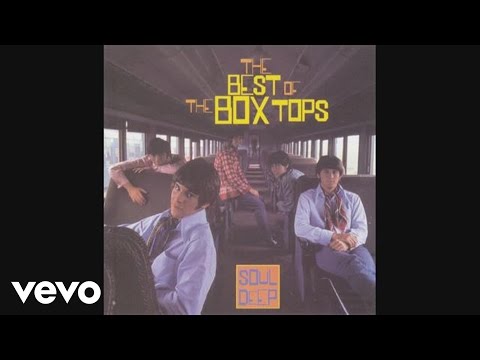
→ More from the 1960s File
View all 1960s hits →




Keep digging