The 1980s File Feature
Thief Of Hearts
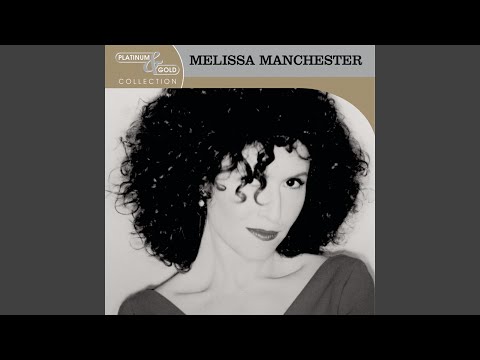
Thief of Hearts — Melissa Manchester (1984) Melissa Manchester's career had traced a distinctive arc through the 1970s and into the early 1980s, moving from …
01 The Story
Thief of Hearts — Melissa Manchester (1984)
Melissa Manchester's career had traced a distinctive arc through the 1970s and into the early 1980s, moving from her origins as a Bette Midler backup singer and Juilliard-trained vocal student through a series of critically respected albums and a cluster of major commercial hits. By the mid-1970s she had established herself as one of the more substantial singer-songwriters of the adult contemporary format, known for a voice that combined trained technical precision with genuine emotional warmth. Her 1979 hit "Don't Cry Out Loud" had reached the top five of the Billboard Hot 100 and become her signature song, the recording most casually associated with her name. By 1984, however, the landscape of popular music had shifted dramatically, and Manchester was navigating the challenge that faced many artists of her generation: how to remain commercially relevant in a marketplace transformed by new wave, synthesizer production, and MTV's visual demands.
The film Thief of Hearts, released in 1984 by Paramount Pictures, provided an unexpected opportunity. The movie was a thriller directed by Douglas Day Stewart, built around a romantic obsession storyline that gave the soundtrack considerable dramatic latitude. Manchester was recruited to contribute the title track, and the assignment suited her well: the film's emotional register demanded exactly the kind of sophisticated adult pop she had been making throughout her career, and the chance to place a song in a major studio film offered significant promotional possibilities in an era when film soundtracks were important commercial vehicles. The Casablanca Records label handled the single's release, connecting it to the film's distribution infrastructure.
The recording was produced with a sound firmly rooted in the mainstream pop of 1984, incorporating the synthesizer textures and polished drum programming that had become standard in the post-new wave commercial landscape. This was a conscious adaptation of Manchester's approach to suit the moment: she was working with producers who understood the sonic requirements of mid-1980s radio rather than trying to reproduce the singer-songwriter arrangements that had defined her earlier work. The result occupied an interesting middle ground, combining her distinctive vocal identity with production values that reflected the contemporary mainstream.
The song was included on the Thief of Hearts soundtrack album, which brought together various artists contributing to the film's musical identity. Soundtrack albums of this period functioned as significant commercial entities in their own right, and the success of a well-placed song could substantially boost both film ticket sales and recording artist visibility. Manchester's title-track placement gave her material a prominent position within this ecosystem.
The recording received airplay on adult contemporary stations, where Manchester had her most reliable audience, and the film's theatrical release drove additional exposure. Chart performance placed the single within the competitive pop landscape of late 1984, a moment crowded with significant new releases from artists across genres. The adult contemporary format remained receptive to Manchester's approach, and Thief of Hearts demonstrated that her core audience had followed her through the stylistic changes of the early 1980s.
Critical reception of the song acknowledged it as a professional and melodically accomplished piece of film pop, well suited to its narrative context and delivered with the vocal authority that Manchester had always brought to her recorded work. The fact that it was tied to a specific film gave it a contextual frame that both supported and limited its independent commercial life: listeners who encountered it through the film were primed to receive it as mood-setting dramatic underscoring, while radio listeners encountered it as a standalone piece. Manchester's performance bridged both contexts effectively.
In retrospect, Thief of Hearts occupies a specific moment in Manchester's career: a period of adaptation and repositioning after the extraordinary commercial success of the late 1970s, when the market was demanding new sounds from established artists. The recording is a document of a skilled and resourceful artist finding ways to remain relevant without abandoning the qualities that had made her distinctive in the first place. Her vocal performance throughout the track demonstrates the trained precision and emotional directness that had always been her strongest assets, and those qualities carry the recording even where the production choices are most clearly tied to a specific and already dated moment in the pop timeline.
Casablanca Records, by 1984, had undergone significant changes from its earlier incarnation as the home of Kiss and Donna Summer at the height of the disco era. The label's trajectory mirrored broader shifts in the music industry, and Thief of Hearts arrived during a period of institutional transition. Nonetheless, the single received adequate promotional support, and the film's release window gave it a clear marketing framework. For Manchester, the recording extended a catalog that had proven its durability across multiple format shifts and remained a demonstration of her ability to deliver professional, emotionally resonant pop regardless of the production context surrounding her.
02 Song Meaning
Thief of Hearts — Meaning and Themes
Thief of Hearts draws its central metaphor from the long tradition of love figured as theft: the beloved as an intruder who takes possession of the narrator's heart without permission or warning. This metaphor has deep roots in European romantic poetry and popular song, but its deployment in the context of a 1984 thriller film gave it a specific edge that distinguished it from purely conventional romantic usage. The film's narrative involved obsession, violation, and the darker dimensions of desire, and the title song absorbed some of that atmosphere even as it functioned as a piece of mainstream pop rather than as a genre film underscore.
The thematic content of the lyric works within the traditional framework of romantic surrender: the narrator acknowledges the power that another person has acquired over their emotional life, describing that power in the language of theft and possession. What gives the song its particular texture is the ambiguity of the narrator's stance toward this theft. Unlike songs that straightforwardly lament being robbed, Thief of Hearts approaches the subject with something closer to awe or grudging admiration, as though the narrator recognizes the skill of the emotional thief even while experiencing the vulnerability that skill has created.
Melissa Manchester's interpretive approach to the lyric emphasizes this ambivalence. She was a singer whose technical background gave her the tools to communicate emotional complexity within a relatively brief pop format, and the song provided material that rewarded exactly that approach. The tension between vulnerability and appreciation, between loss and gain, is communicated as much through vocal inflection as through the explicit content of the words, and Manchester navigates those competing registers with the assurance of a performer who had been working in emotionally complex material for more than a decade by the time this recording was made.
Within the broader context of 1984 pop, the song's thematic territory was well-suited to the dramatic aesthetics of the moment. The MTV era had created a premium on songs that could sustain a visual narrative, and the theft metaphor translated easily into cinematic imagery: darkness, pursuit, the moment of capture. The fact that the song was written for an actual thriller amplified these resonances, giving the lyric's romantic content an undertow of danger that distinguished it from lighter adult contemporary fare.
For Manchester's catalog, Thief of Hearts represents the mature phase of her career as an interpretive artist: a period when she was moving away from the emphasis on her own songwriting that had characterized the early 1970s and toward a broader engagement with material from various sources. Her ability to inhabit a song written to serve a specific film narrative, to bring genuine emotional conviction to material she had not composed, demonstrated the range and versatility that had always been her core professional strength. The recording showed that her artistic identity was robust enough to survive transplantation into a quite different creative context without losing its essential character.
The film context also positioned the song's romantic themes within a framework of moral ambiguity that pure pop ballads rarely achieved. Romantic theft in the context of a thriller carries implications about consent, agency, and desire that the song could acknowledge obliquely without resolving directly. This thematic layering gave Thief of Hearts more interpretive texture than a conventional romantic ballad typically offered, and Manchester's performance suggests an awareness of those layers even within the constraints of the commercial pop format.
→ More from Melissa Manchester
View all Melissa Manchester hits →



→ More from the 1980s File
View all 1980s hits →


Keep digging