The 1970s File Feature
Don't Cry Out Loud
“Don't Cry Out Loud” by Melissa Manchester There is a particular kind of song that demands a singer step fully into the spotlight, plant her feet at center s…
01 The Story
“Don't Cry Out Loud” by Melissa Manchester
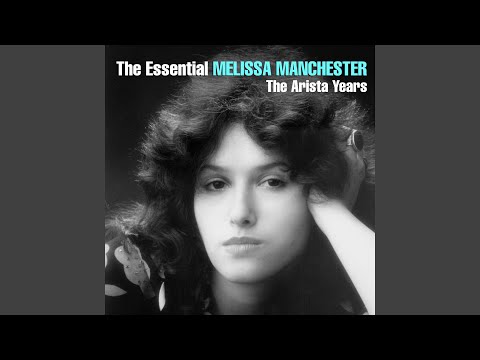
There is a particular kind of song that demands a singer step fully into the spotlight, plant her feet at center stage, and let a room go silent. As the 1970s drew toward their close, Melissa Manchester delivered exactly that with “Don't Cry Out Loud,” a sweeping, theatrical ballad about keeping your composure when your heart is shattering. It is the sound of a singer commanding a moment, and it became one of the defining performances of her career.
A Songwriter Steps Into the Spotlight
By 1978, Melissa Manchester was already an established presence in the soft-rock and pop world. She had emerged from the New York singer-songwriter scene, studied under the legendary Paul Simon in a songwriting workshop, and built a reputation as a serious craftswoman with a voice that could move from intimate to powerhouse in a single phrase. She had scored hits before, but “Don't Cry Out Loud” would push her into the upper reaches of the chart and into the great American ballad tradition.
The song itself came from one of pop's most formidable writing teams. “Don't Cry Out Loud” was written by Peter Allen and Carole Bayer Sager, two of the most accomplished songwriters of the era, and their craftsmanship is woven into every rising line.
The Architecture of a Power Ballad
What makes the song so striking is its construction. It opens with a tender, almost cinematic verse about a girl named Baby and the dreams she carries, then builds toward a soaring chorus that delivers its central counsel: hold your tears inside, keep your pain private, stay strong in public. The arrangement swells with strings and dramatic dynamics, giving Manchester the runway she needs to take flight.
Her vocal performance is the centerpiece. She handles the quiet opening with restraint, then opens up on the chorus with the kind of controlled power that defines the power-ballad form. It is theatrical in the best sense, a song built for big emotion and a big finish.
A Long Climb to the Top Ten
The record's chart journey was a patient one. “Don't Cry Out Loud” debuted on the Billboard Hot 100 on November 18, 1978, at number 87, then began a slow, steady ascent through the winter. It moved into the seventies, then the fifties, gathering momentum across the new year before peaking at number 10 on March 31, 1979. That climb into the Top Ten marked a career high point.
Just as impressive was its endurance. The song lingered on the chart for a remarkable twenty-three weeks, a sign of how thoroughly it embedded itself in the radio landscape of the late seventies and early eighties.
A Standard That Outlasted the Charts
The song's reach extended well beyond its original run. Its message of stoic endurance and its show-stopping melody made it a favorite for vocalists and a staple of the adult-contemporary canon. The track helped cement Manchester as one of the era's premier interpreters of emotional material, and it remains among the songs most closely associated with her name.
The track also captured something about where pop was heading as the seventies gave way to the eighties. The big, emotive ballad was becoming a dominant commercial force, and singers capable of selling enormous feeling with technical control were in high demand. Manchester's performance here stands as an early, definitive example of that form, a blueprint that countless vocalists would study in the years to come.
Decades later, the ballad still works its slow-building magic on anyone who presses play, that quiet opening giving way to a chorus made to fill a room. Cue it up and let Manchester carry you to the top of that final, towering note.
“Don't Cry Out Loud” — Melissa Manchester's singular moment on the 1970s charts.
02 Song Meaning
The Meaning Behind “Don't Cry Out Loud”
On its surface, “Don't Cry Out Loud” offers a piece of advice as old as heartbreak itself: when love falls apart, keep your composure and don't let the world see you crumble. Beneath that counsel, though, the song holds a richer and more complicated emotional truth about the cost of staying strong.
The Story of Baby
The lyric frames its message as wisdom passed to a young woman called Baby, a dreamer who once believed she could fly and who now faces the pain of love gone wrong. The advice she receives is to hide her tears, to learn to take the hard knocks privately rather than fall apart in public. It is the voice of experience speaking to innocence, gentle but unflinching.
Strength or Suppression?
What gives the song its lasting power is the tension inside its own message. On one hand, it celebrates resilience, the dignity of carrying pain with grace. On the other, there is something quietly heartbreaking about being told to swallow your sorrow and perform composure for the world. Listeners can hear it as a hymn to inner strength or as a portrait of the lonely burden that strength can become.
The Performer's Mask
That ambiguity makes the song especially resonant for anyone who has had to keep going while privately hurting. The instruction to cry softly, never out loud, captures a familiar emotional discipline: the smile held in place, the brave face maintained, the grief tucked away where no one can see it. The song understands the effort that takes.
A Song of Its Moment
Arriving at the close of the 1970s, the ballad fit a culture that prized emotional poise and theatrical grandeur in its biggest songs. Its sweeping arrangement turns private suffering into something almost operatic, dignifying the act of holding oneself together and elevating it to high drama.
Wisdom Handed Down
There is also something moving in the song's structure as a piece of advice passed between generations. The counsel comes from someone older and more experienced, offered to a young woman just learning how much love can hurt. That framing turns the song into a kind of inheritance, the hard lessons of one heart handed gently to another. Whether the listener accepts the advice or quietly resists it, the gesture of one person trying to prepare another for pain carries its own tenderness.
Why It Endures
The song lasts because its central dilemma never resolves and never dates. Everyone, at some point, must decide how much of their pain to show and how much to keep hidden. “Don't Cry Out Loud” gives that universal struggle a soaring voice, honoring both the strength it takes to stay composed and the ache of the tears we cry where no one can hear.
→ More from Melissa Manchester
View all Melissa Manchester hits →
→ More from the 1970s File
View all 1970s hits →




Keep digging