The 1970s File Feature
My Man, A Sweet Man
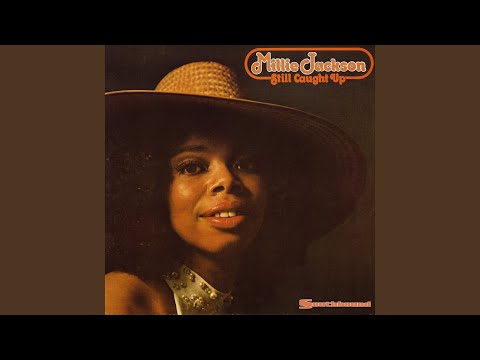
"My Man, A Sweet Man" — Millie Jackson's Breakthrough on the Billboard Hot 100 A Voice That Demanded Attention There was nothing tentative about Millie Jacks…
01 The Story
"My Man, A Sweet Man" — Millie Jackson's Breakthrough on the Billboard Hot 100
A Voice That Demanded Attention
There was nothing tentative about Millie Jackson's arrival on the American music scene. The South Carolina-born singer, who had come to the industry through a combination of modeling work and informal performance opportunities in New York, had developed a vocal style that owed debts to gospel, rhythm and blues, and the rawer end of soul. By the summer of 1972, when "My Man, A Sweet Man" was climbing the Billboard Hot 100, Jackson was demonstrating the combination of vocal authority and emotional directness that would define her career across the following decades.
The early 1970s soul scene was a rich and competitive environment. Philadelphia International Records had begun its ascent toward a particular kind of orchestrated, polished soul. Southern labels were producing gritty, funk-inflected recordings that competed directly with the smoother sound coming from the East Coast. Into this diverse landscape, Millie Jackson brought a voice that cut through production choices rather than depending on them, the kind of instrument that made the song around it work harder.
The Recording and Release
Millie Jackson recorded "My Man, A Sweet Man" for Spring Records, the New York-based independent label that served as her recording home during the most commercially active period of her early career. Spring Records, founded in the late 1960s, had built a roster focused on soul and R&B, and Jackson fit naturally within that catalog. The label's distribution arrangements allowed her recordings to reach national radio markets, which was essential to building the kind of cross-market audience that a Hot 100 chart placement requires.
The song itself sits within the classic early-1970s soul tradition of devotional love songs addressed from a woman to her man, celebrating the specific qualities that make a relationship worth sustaining. Jackson's vocal delivery brought considerable emotional specificity to what could have been a generic subject, finding conviction and texture in the material that elevated it beyond formula. The production framed her voice with the warmth and depth that characterized the best soul recordings of the period.
The Chart Climb Through Summer and Fall 1972
The single debuted on the Billboard Hot 100 on August 5, 1972, entering at number 79. Its subsequent climb was steady and deliberate, reflecting the kind of word-of-mouth audience building that characterized R&B radio hits of the era before the charts were dominated by pure marketing spend. The song rose through 76, 64, 58, and 55 in successive weeks before reaching its peak position of number 42 on September 30, 1972. The ten-week chart run demonstrated genuine sustained audience engagement rather than a flash of commercial interest that quickly dissipated.
A peak of 42 on the Hot 100 represented meaningful crossover success for a relatively new artist on an independent label. Jackson was simultaneously active on the R&B chart, where her audience was even more deeply engaged, and the Hot 100 performance indicated that her music was reaching beyond the core soul audience that might have been expected to constitute her primary market.
Jackson's Broader Career Trajectory
The 1972 breakthrough positioned Millie Jackson as one of the more interesting voices in American soul at precisely the moment when that genre was entering one of its most creative and commercially vital periods. The years that followed would see her develop the more explicitly adult-oriented and sometimes deliberately controversial performing style that made her a genuinely distinctive figure. Her 1974 concept album Caught Up is considered one of the landmark recordings of mid-1970s soul, building on the vocal credibility established by early singles like "My Man, A Sweet Man."
Jackson's willingness to address adult themes with frankness and humor, rather than the coded language that much of contemporary R&B required, set her apart from contemporaries who operated within more conventional emotional registers. "My Man, A Sweet Man" comes from the period just before that explicitly provocative persona fully crystallized, and it shows the vocal foundation on which everything else was built.
The Song in Context of 1972
The summer of 1972 on the Hot 100 was dominated by an eclectic range of sounds, from the smooth pop of Gilbert O'Sullivan to the hard rock of Deep Purple to the soul of Curtis Mayfield and Al Green. Jackson's entry into this crowded field with a performance of this quality demonstrated the commercial appeal of raw, committed soul vocal work even in a market that was pulling in multiple directions at once.
Press play on "My Man, A Sweet Man" and you hear a singer who already knows exactly who she is. The authority in the vocal is unmistakable, the delivery of someone who has complete command of the material. That command is what made Millie Jackson worth hearing then and keeps the recording interesting now.
"My Man, A Sweet Man" — Millie Jackson's singular moment on the 1970s charts.
02 Song Meaning
"My Man, A Sweet Man" — Devotion, Celebration, and the Language of Soul
Celebrating Rather Than Complaining
The repertoire of popular soul music in the early 1970s was rich with songs about heartbreak, betrayal, longing, and loss. These themes suited the emotional intensity of the genre's most powerful voices and connected with audiences through shared experience of disappointment and desire. "My Man, A Sweet Man" occupies a different emotional territory, choosing celebration over lament. The song is a portrait of satisfaction, a narrator who has found a relationship that works and wants to say so clearly and without qualification. In a genre often associated with suffering, that positivity carries its own kind of weight.
The Language of Gratitude in Soul
Love songs built around gratitude and appreciation rather than need or loss draw on a specific tradition within Black American musical expression. Gospel has always made space for this emotional register, the joy of having rather than the anguish of wanting. Soul music inherited this capacity from gospel, and singers who came up through church traditions, as many of the great soul vocalists of the 1960s and 1970s did, brought an understanding of how to make happiness feel as emotionally substantial as sorrow.
Millie Jackson's gospel background informed her vocal approach throughout her career, giving her the technical resources to invest simple emotional content with genuine depth. A song about how good a partner is could easily become sentimental or generic, but Jackson's delivery resists those tendencies, finding specificity in phrasing and conviction in emphasis that makes the sentiment feel earned rather than automatic.
Gender, Agency, and the Soul Tradition
There is something worth noting about the particular framing of "My Man, A Sweet Man" as a song sung from a woman's perspective about a man who treats her well. The agency in the lyric belongs entirely to the narrator, who is evaluating and approving her partner's qualities from a position of clear-eyed assessment rather than passive gratitude. This positioning reflects a broader shift in how Black women artists of the early 1970s were representing themselves and their relationships in song, with growing directness about desire, judgment, and emotional self-determination.
Millie Jackson would later take this directness to more confrontational places as her career developed, but "My Man, A Sweet Man" shows the starting point of that trajectory: a singer who knows what she wants and is comfortable saying so in both directions, praise when it is warranted, and something considerably more pointed when it is not.
The Cultural Moment of 1972
Soul music in 1972 was operating in a complex social environment. The civil rights movement had achieved formal legislative victories but was confronting the limits of what legislation alone could change. Black artistic culture was engaged in conversations about identity, representation, and political possibility that permeated the music even when the songs themselves were not explicitly political. A song about a good man who provides well and treats his partner right carried social meaning in this context, affirming the possibility of positive and sustaining relationships within a community that popular culture had often represented through stereotypes of dysfunction or absence.
This contextual weight does not make "My Man, A Sweet Man" a political document in any direct sense, but it does mean the song's emotional content was received by audiences who understood it within a broader conversation about Black life and love in early-1970s America.
The Vocal as Instrument of Meaning
What ultimately makes the song memorable is Jackson's voice and how she uses it to convey information that the words alone cannot carry. The pacing of a phrase, the weight placed on a particular syllable, the texture of the tone when she sustains a note, all of these choices communicate the emotional truth of the song's subject matter more completely than any lyrical analysis can capture. Soul music's fundamental claim is that the voice carries meaning that language approximates but does not contain, and Jackson's work throughout this recording demonstrates exactly that claim's validity.
→ More from Millie Jackson
View all Millie Jackson hits →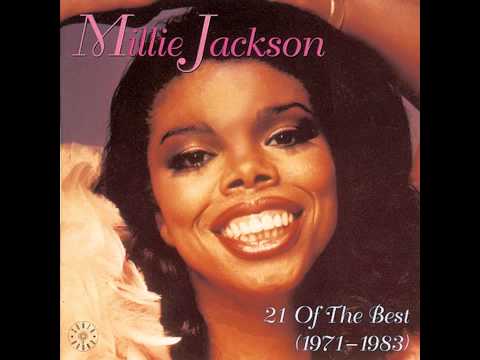
→ More from the 1970s File
View all 1970s hits →




Keep digging