The 1970s File Feature
Leftovers
Millie Jackson Tells It Like It Is on Leftovers Few soul artists were as fearless and frank as Millie Jackson, a singer who built her reputation on unflinchi…
01 The Story
Millie Jackson Tells It Like It Is on "Leftovers"
Few soul artists were as fearless and frank as Millie Jackson, a singer who built her reputation on unflinching honesty about love, sex, and the messy realities of relationships. Where others offered romantic fantasy, Jackson delivered raw truth, often spiced with humor and bold storytelling. "Leftovers" arrived in the autumn of 1975, a piece of straight-talking soul that showcased her gift for confronting the complicated emotional truths most singers preferred to avoid.
Soul's Boldest Truth-Teller
Jackson came to this song with a reputation for candor that set her apart. She had become known for her frank, often provocative approach to soul music, addressing the realities of relationships with an honesty few of her peers dared to match. Her records frequently featured spoken monologues and unvarnished commentary on love and infidelity, earning her a devoted following and a singular place in the genre. By 1975 she was an established voice for grown-up emotional truth, and "Leftovers" fit squarely within her bold, no-nonsense approach to the subject of love.
The Sound of Frank Seventies Soul
Musically the song lives in the warm, expressive world of mid-seventies soul. The arrangement supports Jackson's powerful, emotive voice with the kind of soulful backing that let her storytelling shine. There is an emotional directness to the recording, the sound of a singer who refused to dress up hard truths. Her delivery carries both strength and vulnerability, conveying the complicated feelings the song explores. It belongs to a tradition of adult soul that valued honesty and emotional realism, music made for listeners who wanted truth rather than fantasy.
A Brief Run on the Hot 100
The chart performance was modest, reflecting the niche but devoted appeal of Jackson's frank style. "Leftovers" debuted on the Billboard Hot 100 dated September 27, 1975, at number 87, which also marked its peak. The single held at number 87 for both of its two weeks on the chart before falling away. A brief, low-charting run was not unusual for Jackson's pop crossovers, as her bold, adult-oriented material often resonated more powerfully with rhythm and blues audiences than with the broad pop mainstream. The modest showing reflected her particular niche rather than any lack of quality.
A Voice for Hard Truths
Within Millie Jackson's distinctive career, "Leftovers" stands as a representative example of her fearless approach. She remains celebrated for her bold, honest exploration of love and relationships, a pioneering voice for emotional candor in soul music. The song captures her gift for confronting difficult truths with strength and feeling. For fans of frank, grown-up soul, it offers a genuine example of an artist who refused to sugarcoat the complicated realities of the heart, a singer who always told it exactly like it was.
A Pioneer of Frank Female Soul
Millie Jackson's significance extends well beyond any single chart entry. In an era when female soul singers were often expected to project either glamour or vulnerability, she carved out a space for blunt, grown-up honesty about desire, infidelity, and the unglamorous mechanics of real relationships. Her willingness to address subjects that polite radio preferred to ignore made her a genuinely groundbreaking figure, paving the way for later artists who would speak just as frankly about their own experiences. She treated her audience as adults capable of handling the truth, and that respect earned her a fiercely loyal following.
The Power of the Spoken Word
One of Jackson's most distinctive tools was her use of spoken commentary within her recordings, a technique that turned her songs into something closer to monologues or confessions. These passages let her editorialize, joke, and lay bare the emotional logic of a situation in a way that pure singing could not. The approach gave her music an intimacy and immediacy that drew listeners in, making them feel like confidants rather than mere audience. While "Leftovers" channels that honesty primarily through performance, it belongs to a body of work defined by Jackson's fearless willingness to simply tell it straight, a quality that made her one of soul's most singular voices.
Drop the needle and brace for the truth; this is Millie Jackson confronting love's hard realities with fearless honesty.
"Leftovers" — Millie Jackson's singular moment on the 1970s charts.
02 Song Meaning
The Painful Honesty of "Leftovers"
"Leftovers" confronts one of the most painful situations in love: being treated as a second choice, getting only what remains after someone else has taken the best. The title says it bluntly, casting the singer as the recipient of emotional scraps. In Millie Jackson's fearless hands, the song becomes an unflinching look at the indignity of settling for less than you deserve.
The Sting of Being Second
The central theme is the pain of being someone's afterthought. The lyrics explore the hurt of receiving only what is left over, of being valued less than someone else in a romantic situation. There is a raw honesty to that sentiment, a willingness to name a humiliation many people feel but rarely admit. The song paraphrases the experience of settling for emotional scraps, the quiet indignity of knowing you are not the priority. It is a hard truth confronted head-on.
Strength Within the Hurt
Emotionally, the song balances pain with a kind of clear-eyed strength. Jackson does not merely lament her situation; she names it with a frankness that carries its own power and dignity. There is vulnerability in the admission, but also the strength of someone willing to see her circumstances clearly. That balance was central to Jackson's appeal, the way she could voice hurt without losing her sense of self. The honesty itself becomes a form of strength.
A Song of Adult Realism
The cultural context places the song within Jackson's tradition of grown-up soul. She built her career on addressing the messy, unglamorous realities of love that most pop music avoided, speaking frankly to an adult audience. This song fit that mission, confronting a painful relationship dynamic with unusual candor. It reflected her commitment to emotional realism, offering listeners truth rather than romantic fantasy. That frankness gave her music a power and relatability that fantasy never could.
Why It Resonated
The song connected because its painful situation is so widely understood. Listeners related to the hurt of being treated as a second choice and the courage required to name that hurt. Many people have known the indignity of settling for less than they deserve in love. By voicing that experience with such honesty, Jackson offered her audience a sense of recognition and validation, the comfort of hearing a hard truth spoken plainly.
A Lasting Candor
What endures is the song's fearless honesty. It does not soften the pain of being someone's leftover; it names it directly and confronts it with strength. The meaning is rooted in the timeless hurt of feeling undervalued in love, voiced with the candor that made Millie Jackson a singular figure. Carried by her powerful delivery, the song remains an unflinching look at one of love's hardest realities, told without a trace of pretense.
→ More from Millie Jackson
View all Millie Jackson hits →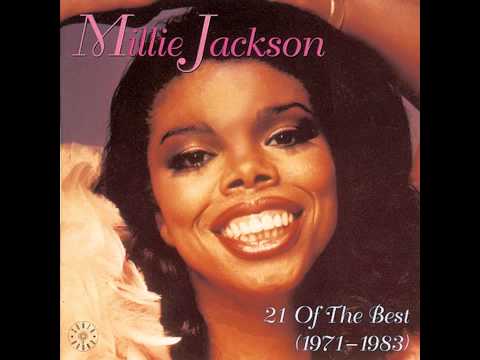
→ More from the 1970s File
View all 1970s hits →




Keep digging