The 1970s File Feature
Help Me Find A Way (To Say I Love You)
Help Me Find A Way (To Say I Love You) by Little Anthony And The Imperials Picture the turn of the decade in 1970, when the smooth, harmony-rich vocal groups…
01 The Story
"Help Me Find A Way (To Say I Love You)" by Little Anthony And The Imperials
Picture the turn of the decade in 1970, when the smooth, harmony-rich vocal groups of the late 1950s and early 1960s were navigating a music world that had moved on. Soul had grown more sophisticated, funk was rising, and the doo-wop era was firmly in the rearview mirror. Through all of it, Little Anthony and the Imperials kept singing, carrying their gorgeous vocal blend into a new era and proving their artistry could outlast the trends that first made them famous.
Veterans of Vocal Harmony
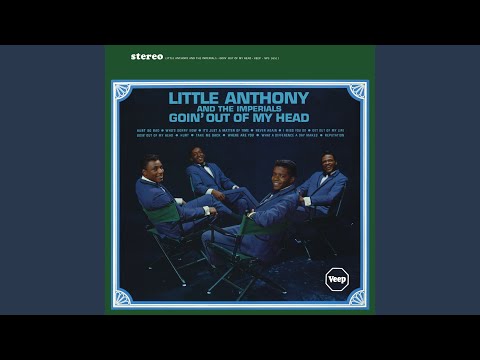
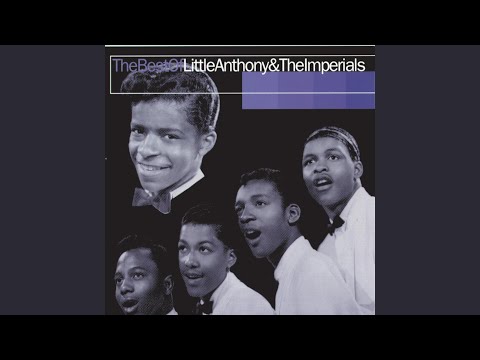
By 1970, Little Anthony and the Imperials were seasoned stars. The group had broken through in the late 1950s with the classic "Tears on My Pillow" and returned to prominence in the mid-1960s with sophisticated hits like "Goin' Out of My Head" and "Hurt So Bad." Anthony Gourdine's distinctive, soaring falsetto gave the group an instantly recognizable signature, one that set them apart in a crowded field of harmony acts. Few voices in popular music were as immediately identifiable, and it remained their calling card across every phase of a long and varied career.
A Refined Ballad for a New Decade
This single found the group leaning into their strengths: lush arrangements, intricate vocal interplay, and Gourdine's emotive lead. The song is a tender ballad, polished and grown-up, reflecting the more orchestrated soul style of the period. It showed a veteran act adapting gracefully, keeping their classic vocal approach while updating the production to fit the sound of the early 1970s. The result managed to honor their roots without sounding dated, a delicate balance that many of their contemporaries struggled to strike.
A Brief Run on the Hot 100
On the pop chart, the single made a modest appearance. It debuted on the Billboard Hot 100 at number 96 on November 21, 1970, and lingered near the bottom of the survey. It reached its peak of number 92 on December 26, 1970, never breaking into the upper tiers. The record's chart life lasted four weeks, a brief showing that reflected how much harder it had become for the group's generation of singers to compete on the pop chart by this point.
Survivors of a Shifting Landscape
By 1970, the world that had birthed the great vocal groups was nearly gone. The rise of self-contained rock bands, the maturing of soul into something funkier and more political, and the sheer pace of change had pushed many of the harmony acts of the previous decade off the charts entirely. That Little Anthony and the Imperials were still recording and still placing on the Hot 100 at all spoke to their craft and resilience. They had reinvented themselves once already in the mid-1960s; here they were attempting it again, refusing to be filed away as a nostalgia act. The modest chart placement should not obscure how much skill it took simply to remain in the conversation.
A Legacy Beyond the Charts
However modest this particular entry, the group's overall legacy is enormous. Little Anthony and the Imperials were later inducted into the Rock and Roll Hall of Fame, an honor recognizing their lasting influence on vocal harmony and soul. Songs like this one are part of a deep catalog that kept the art of group singing alive across changing decades. The chart number is small, but the craftsmanship is unmistakable, and the vocal blend remains as gorgeous as anything in their classic period.
Cue it up to hear one of the great vocal groups doing what they always did best: wrapping real emotion in flawless harmony. Gourdine's voice alone is worth the price of admission, soaring over the arrangement with the same fragile beauty that had made the group famous more than a decade earlier.
"Help Me Find A Way (To Say I Love You)" — Little Anthony And The Imperials' singular moment on the 1970s charts.
02 Song Meaning
The Meaning of "Help Me Find A Way (To Say I Love You)"
Sometimes the hardest part of love is not the feeling but the saying of it. This song captures that very particular struggle, the search for words big enough to hold an emotion that feels almost too large to express. The title frames it perfectly: the singer is not unsure of his love, only of how to put it into language.
The Search for the Right Words
The lyric dwells on the gap between feeling and expression, on a heart full of love that cannot quite find its voice. The central theme is the inadequacy of words before deep emotion, the frustration of wanting to communicate something profound. It is a tender, humble predicament, and it gives the song an endearing sincerity that no amount of polished delivery could fake. The struggle to speak becomes its own quiet declaration of love.
Vulnerability at the Center
There is real openness in admitting you do not know how to say something so important. The song embraces emotional honesty over confidence, presenting a lover who is moved almost to silence. Anthony Gourdine's expressive falsetto carries that vulnerability beautifully, turning hesitation itself into the heart of the performance and making the listener feel every ounce of the singer's tongue-tied devotion.
A Timeless Romantic Struggle
The sentiment is one that transcends any era. Listeners across generations recognize the feeling of being tongue-tied by love, of fumbling for words that never seem sufficient. That universality is part of why vocal-group ballads like this one have endured, even when their chart performance was modest. The emotion is instantly understood.
When Feeling Outruns Words
There is something deeply true in the idea that the biggest emotions are the hardest to articulate. We reach for language and find it too small, too worn, never quite equal to the feeling. The song honors that gap between the heart and the tongue, treating the struggle to speak as proof of how much the love means. Far from a weakness, the singer's hesitation becomes evidence of the depth of his devotion, which is what makes the plea so touching.
Why It Resonates
The song lands because it makes a small, intimate moment feel significant. Its power comes from honoring the difficulty of expressing love rather than pretending it is easy. Set against the group's signature harmonies, the result is a heartfelt meditation on devotion and the limits of language, sung by artists who knew exactly how to make tenderness soar above a lush arrangement. The theme is modest and human, the kind of feeling everyone recognizes, and that is precisely why a voice as expressive as Gourdine's can lift it into something that lingers long after the final note fades.
→ More from Little Anthony And The Imperials
View all Little Anthony And The Imperials hits →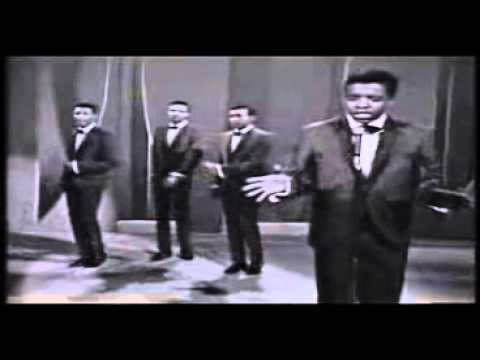

→ More from the 1970s File
View all 1970s hits →




Keep digging