The 1960s File Feature
Hurt
Hurt: Little Anthony and the Imperials, the Standard, and the 1966 Recording Note: This "Hurt" is the 1954 standard written by Jimmie Crane and Al Jacobs , a…
01 The Story
Hurt: Little Anthony and the Imperials, the Standard, and the 1966 Recording
Note: This "Hurt" is the 1954 standard written by Jimmie Crane and Al Jacobs, as recorded by Little Anthony and the Imperials in 1966 on DCP Records. It is entirely distinct from the Nine Inch Nails composition of 1994 and the Johnny Cash recording of 2002, which share only the title.
"Hurt" as a piece of popular music has a history that predates Little Anthony and the Imperials' recording by more than a decade. The song was written in 1954 by Jimmie Crane and Al Jacobs and became a vehicle for multiple significant recordings across the subsequent years, establishing itself as what the music industry calls a standard: a song with demonstrated durability and emotional resonance that transcends any single performance or era. The most famous earlier recording had been Roy Hamilton's, which reached high positions on the Billboard charts in 1954 and established the song's commercial and emotional potential. When Little Anthony and the Imperials returned to the material in 1966, they were entering a conversation with an already established piece, bringing to it the specific gifts of their ensemble approach and the sonic possibilities of 1960s soul production.
Little Anthony and the Imperials occupied a distinctive position in the landscape of American popular music. The group, led by Anthony Gourdine (born in 1940 in Brooklyn, New York), had first achieved success in the late 1950s with "Tears on My Pillow" and "Shimmy, Shimmy, Ko-Ko-Bop," recordings that showed a particular gift for combining gospel-trained vocal power with the conventions of doo-wop and early soul. By the mid-1960s, the group had moved through several lineup changes and had navigated the transition from the doo-wop era into the more sophisticated soul and pop territory that the post-Motown landscape required.
The 1966 recording of "Hurt" was released on DCP Records, a label associated with producer Don Costa, who played a significant role in shaping the group's sound during this period. The production choices reflected the prevailing aesthetic of sophisticated soul balladry in the mid-1960s, with orchestral arrangements that gave the recording a cinematic quality and framing that emphasized Gourdine's tenor, which was one of the most remarkable vocal instruments in American pop. His upper register had an almost supernatural clarity and emotional penetration, the kind of voice that could make a listener feel that the singer was addressing them personally.
"Hurt" reached number fifty-one on the Billboard Hot 100 in 1966, a respectable performance that reflected the group's continuing commercial viability even as the pop landscape was being transformed by the British Invasion and the emergence of more rock-oriented styles. On the rhythm and blues charts, the group's performance was stronger, reflecting the core audience that had followed them across their career and that responded to the particular quality of soul balladry that Gourdine and the Imperials represented.
The song's subject matter, the pain of romantic betrayal and the emotional wound that such betrayal leaves, was perfectly suited to the interpretive gifts that Little Anthony brought to performance. His ability to inhabit emotional pain vocally without crossing into self-pity or melodrama was one of the qualities that distinguished his work from that of many of his contemporaries. The standard demanded exactly this kind of calibrated emotional commitment, and the 1966 recording delivered it.
The Imperials themselves, as background vocalists and harmonic support, contributed to the recording in ways that were essential rather than merely decorative. The group vocal tradition from which they emerged prized the ability of individual voices to blend and support each other while maintaining their individual characters, and in the arrangement of "Hurt" the background vocals provided both emotional framing and harmonic richness that gave Gourdine's lead a context that enhanced its impact.
Little Anthony and the Imperials would achieve perhaps their greatest commercial success in 1964 with "I'm on the Outside (Looking In)" and "Goin' Out of My Head," both of which demonstrated that they could produce sophisticated pop ballads that crossed over to mainstream pop audiences without compromising the soul vocal quality that was their artistic foundation. "Hurt" in 1966 followed this formula, applying their particular approach to established material and producing a recording that honored the tradition of the standard while giving it a distinctly contemporary soul inflection. The group's place in the history of American vocal pop is secure, and recordings like this one are among the clearest evidence of why that place was earned.
02 Song Meaning
The Weight of Betrayal: Reading "Hurt" as Sung by Little Anthony and the Imperials
Note: This discussion concerns the 1954 Crane/Jacobs standard "Hurt" as interpreted by Little Anthony and the Imperials, not the Nine Inch Nails composition of the same name.
"Hurt" belongs to the tradition of popular song standards that have earned their place in the repertoire by capturing an emotional experience with such precision and universality that performers across generations have returned to them as vehicles for their own expressive purposes. The song's subject is the pain of romantic betrayal, specifically the experience of being wounded by someone whose opinion and fidelity mattered enormously, and of carrying that wound even while trying to maintain dignity and composure. This is an experience old enough to have generated its own mythology and art across virtually every human culture, and songs like "Hurt" have endured because they give particular and beautiful form to that universal experience.
What distinguished Little Anthony Gourdine's interpretation of the song was the quality of vocal sincerity he brought to it. Gourdine's tenor had a clarity and an upper-register penetration that gave emotional pain a sound that was simultaneously beautiful and difficult to hear. There is a paradox in the great soul ballad tradition: the more beautiful the voice, the more acutely the listener feels the pain that the voice is describing. Gourdine exploited this paradox throughout his career, and "Hurt" is among the clearest examples of the effect.
The emotional architecture of the song moves through several stages that together trace the psychology of someone dealing with betrayal. There is the initial acknowledgment of the wound, the insistence on naming what has happened. There is the attempt to understand how something so painful could have come from someone so valued. There is the difficulty of reconciling continued love with the reality of injury. These stages are not presented as a tidy progression but as overlapping, recursive emotional states, which is accurate to the actual psychology of heartbreak rather than to its narrative simplification.
The soul vocal tradition from which Little Anthony and the Imperials emerged gave them a specific set of tools for communicating this kind of complex emotional content. The gospel heritage, with its emphasis on communal expression of intense feeling and its vocabulary of suffering transformed through spiritual force, was the foundation on which soul music built. The Imperials' harmonic support in the recording carried this communal quality, suggesting that the narrator's pain was not merely individual but participated in a shared human experience of loss and injury.
The dignity with which the song approaches its painful subject matter is one of its most important qualities. The narrator is not vengeful or self-pitying in a way that would diminish the listener's sympathy; rather, they are honest about their pain in a way that demands respect. This dignity was characteristic of the best soul ballad tradition, which understood that there was a form of strength in acknowledging vulnerability honestly, that the willingness to say "I am hurt" without collapsing into bitterness or aggression was itself a form of courage.
For listeners in 1966, "Hurt" as sung by Little Anthony and the Imperials offered both a mirror and a form of comfort. The mirror showed the listener their own emotional experience reflected back with artistic clarity and beauty. The comfort came from the recognition that the pain was shared, that someone else had found it worthy of such beautiful expression, and that the experience of being hurt did not make the person experiencing it alone. This function of the standard, to create community around shared emotional experience, is one of the primary reasons that the tradition persists and that individual recordings within it continue to find new listeners across generations. The 1966 recording of "Hurt" fulfills this function with distinction.
→ More from Little Anthony And The Imperials
View all Little Anthony And The Imperials hits →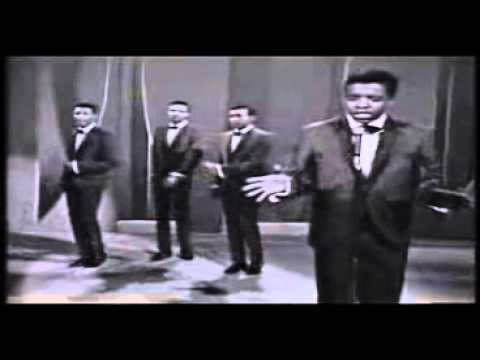

→ More from the 1960s File
View all 1960s hits →




Keep digging