The 1970s File Feature
Way Back Home
The Story Behind Way Back Home by Jr. Walker The All Stars Imagine a Detroit nightclub at closing time, the band loose and sweaty, a saxophone curling throug…
01 The Story
The Story Behind "Way Back Home" by Jr. Walker & The All Stars
Imagine a Detroit nightclub at closing time, the band loose and sweaty, a saxophone curling through the smoke like a voice that needs no words. That is the natural habitat of Jr. Walker, the gritty, joyous sax man whose horn was as recognizable as any singer's voice in the Motown stable. By late 1971 he brought that signature sound to a soulful groove that looked both backward and forward, and the result rode onto the charts as the new year arrived.
The Horn That Defined a Sound
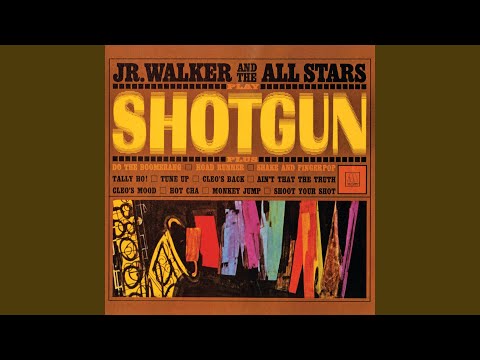
Jr. Walker & The All Stars had been a distinctive presence at Motown throughout the 1960s. Their earlier smash "Shotgun" had made Walker's raw, honking saxophone an unmistakable trademark, a sound rooted more in raucous rhythm and blues than in the label's smoother pop crossovers. While much of Motown polished its acts to a high gloss, Walker kept one foot planted firmly in the sweaty world of the chitlin circuit and the dance hall, which gave his records an earthy, immediate energy that set him apart from his more buttoned-up labelmates.
A Groove Looking Homeward
"Way Back Home" carries the warm, reflective feel its title suggests, a soulful piece anchored by Walker's expressive playing. The performance lets the horn do much of the emotional talking, the instrument bending and crying in ways that conjure nostalgia and longing without a single lyric needing to spell it out. It is the kind of record that rewards a late-night listen, its groove deep and its mood unmistakably tender beneath the swing. Where his earlier hits had been built for the dance floor, this one feels designed for the slow hours afterward, when the crowd has thinned and the music turns inward.
A Sound in Transition
The early 1970s found Motown itself in a period of change, with the label relocating and its artists pushing toward more mature, reflective material. Walker's recordings of this era reflected that broader shift, trading some of the raucous immediacy of his mid-sixties smashes for a warmer, more contemplative tone. The transition was not always easy for veteran acts, many of whom had built their reputations on a sound that audiences increasingly regarded as belonging to an earlier moment. This single captures Walker negotiating that change, holding onto the gritty character of his saxophone while letting the music breathe and slow down. It is the work of an established artist adapting to a new decade, finding fresh emotional territory without abandoning the distinctive voice that made him a star in the first place.
A Modest Turn-of-the-Year Run
On the Billboard Hot 100 the single was a moderate performer rather than a blockbuster. It debuted at number 85 on December 11, 1971, climbing gradually as the calendar turned. It reached its peak of number 52 during the week of January 22, 1972, and spent 9 weeks on the Hot 100. Those numbers place it among the respectable mid-chart entries of Walker's catalog, a record that found its audience without dominating it, carried by the loyal following his distinctive sound had earned over the years.
A Piece of the Motown Mosaic
Within the larger Motown story, Walker occupies a special niche as the label's great instrumental voice. His saxophone added a rougher, bluesier texture to a catalog otherwise known for vocal polish, broadening what the Motown sound could be. A single like this one shows that range at work, soulful and grooving rather than slick. Decades later the recording had drawn around 264,000 views on YouTube, kept alive by listeners who treasure that unmistakable horn.
Why It Still Swings
Press play and let the saxophone lead you somewhere warm. It is music that speaks in tone and feel rather than words, a reminder of how much emotion a single instrument can carry.
"Way Back Home" — Jr. Walker & The All Stars's singular moment on the 1970s charts.
02 Song Meaning
The Meaning of "Way Back Home" by Jr. Walker & The All Stars
This is a record that speaks largely through its sound rather than through words, with Jr. Walker's saxophone carrying the emotional message. The title points the way: it is music about returning, about nostalgia and the warm pull of a place or time you once belonged to.
Longing Expressed Through Tone
Because the saxophone leads the storytelling, the meaning lives in mood and phrasing. The central feeling is nostalgia, a yearning for home and the comfort of roots. Walker's horn bends and sighs in ways that evoke memory, suggesting the bittersweet ache of looking back. The instrument becomes a voice, and what it expresses is the universal tug toward a familiar place left behind.
Soul Without Words
What makes the piece distinctive is how completely it relies on feel. It proves that an instrumental groove can communicate emotion as vividly as any lyric. The warmth in Walker's playing carries a sense of belonging and reflection, inviting listeners to project their own memories onto the melody. The result is intimate and open-ended, a mood you can inhabit however you need to. Without words to fix its meaning, the song becomes a kind of mirror, reflecting back whatever longing or memory the listener brings to it.
The Eloquence of an Instrument
There is a particular power in music that refuses to spell out its meaning. A lyric tells you exactly what to feel, but a saxophone only suggests, leaving the rest to the listener's imagination. Walker understood this intuitively, treating his horn not as an accompaniment but as a narrator capable of expressing emotions too tangled for ordinary speech. The phrasing carries hesitation, warmth, and a touch of ache, the wordless vocabulary of someone remembering. This is why instrumental soul could move audiences so deeply. Freed from the literalness of language, the music speaks directly to feeling, and a player as expressive as Walker could say more with a few bent notes than many singers managed with a full verse. The result is a song that communicates through pure sound the kind of nostalgia everyone carries but few can name.
The Soul Landscape of 1971
The record arrived as soul music was deepening and broadening, embracing introspection alongside the dance floor. Its reflective warmth fit a moment when the genre was exploring more personal and emotional territory. Walker's earthy approach offered a grounded, human counterpoint to slicker productions, rooted in the blues traditions that fed Detroit soul. As soul matured, it made room for exactly this kind of contemplative, instrument-led expression, and Walker's horn proved a perfect vehicle for the genre's more searching mood.
Why It Resonated
Listeners connected because the longing it expresses needs no translation. Its appeal lies in evoking the universal pull of home and memory through pure feeling. Anyone who has missed a place or a moment from their past can hear that yearning in Walker's saxophone, which is why the groove continues to find quiet appreciation among soul devotees.
→ More from Jr. Walker & The All Stars
View all Jr. Walker & The All Stars hits →



→ More from the 1970s File
View all 1970s hits →




Keep digging