The 1970s File Feature
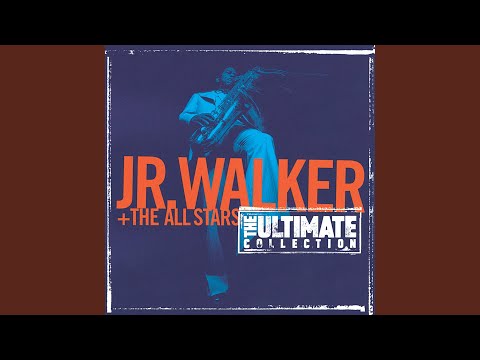
Do You See My Love (For You Growing)
The Story Behind Do You See My Love (For You Growing) by Jr. Walker The All Stars A Motown Saxophone Icon By the summer of 1970, Jr. Walker had already spent…
01 The Story
The Story Behind "Do You See My Love (For You Growing)" by Jr. Walker & The All Stars
A Motown Saxophone Icon
By the summer of 1970, Jr. Walker had already spent close to a decade establishing himself as one of Motown's most distinctive voices, his honking, joyous tenor saxophone practically a signature sound of the label's golden era. Where much of Motown's output centered on polished vocal groups, Walker and his All Stars brought a rawer, more R&B-rooted energy to the label's catalog, his instrumental prowess as central to the group's identity as any singer's voice. By 1970, soul music itself was evolving rapidly, moving toward funkier rhythms and more socially conscious lyricism, and Walker's group was navigating that shift while still holding onto the horn-driven sound that had made them stars in the first place, a balancing act that not every veteran Motown act managed successfully.
A Song for a Changing Sound
The track found Walker and his group leaning into a sound that reflected soul music's broader evolution at the turn of the decade, incorporating funkier rhythmic elements and a more contemporary production sheen while still foregrounding the saxophone work that remained the group's calling card. It represented Motown's continued willingness to let its established stars evolve stylistically rather than freeze them in their earlier, more straightforwardly danceable sound, an approach that helped several of the label's veteran acts remain commercially viable well into the 1970s, when musical tastes were shifting fast.
A Groove-Driven Arrangement
Sonically, the recording combines a steady, danceable groove with Walker's expressive saxophone lines weaving in and out of the vocal melody, the arrangement built for both radio play and dance floor movement. That combination of instrumental personality and rhythmic drive had always been the group's calling card, and this track applied it to material that felt appropriately contemporary for a soul landscape rapidly moving toward the funkier, more expansive sound that would define much of the decade ahead, keeping Walker's music feeling current rather than nostalgic, a deliberate strategy on the part of Motown's producers as the label itself began chasing a more contemporary sound across its whole roster.
A Solid Mid-Chart Performance
The single debuted on the Billboard Hot 100 on July 11, 1970 at number 87, then climbed steadily through the following weeks as R&B and pop radio both gave it airplay. By August 22, 1970, it had reached its peak position of number 32, a solid result that confirmed Walker's continued relevance a full decade into his recording career. The song spent a total of 10 weeks on the Hot 100, a healthy run reflecting consistent, if not spectacular, listener interest across the summer months of that year.
A Veteran Act Holding Steady
Within Walker's catalog, this recording represents the steady, reliable middle stretch of a career that had already produced several bigger hits and would continue for years afterward, evidence that his particular combination of saxophone showmanship and soulful groove still had commercial staying power as Motown itself entered a new decade of change. It stands as a solid entry point for listeners wanting to hear how one of Motown's most distinctive instrumentalists adapted to a shifting soul landscape. Cue it up and let that saxophone lead you straight back to a Detroit soul groove.
"Do You See My Love (For You Growing)" — Jr. Walker & The All Stars's singular moment on the 1970s charts.
02 Song Meaning
What "Do You See My Love (For You Growing)" Is Really About
Love Described as a Living, Growing Thing
The song's title lays out its central metaphor plainly: love framed not as a fixed state but as something organic, expanding and deepening over time, and the narrator's central question is whether his partner can perceive that ongoing growth. It is a lyric preoccupied with visibility and recognition, less concerned with declaring love outright than with asking whether that love is actually being seen and understood by the person it is directed toward.
The Anxiety of Being Overlooked
Beneath the song's danceable groove sits a genuine emotional vulnerability, the fear that deep feeling can go unnoticed even when it is real and expanding. That tension between an interior emotional truth and an uncertain external perception gives the lyric more depth than a simple declaration of affection would carry. It captures a very specific, relatable anxiety: the worry that your own feelings, however sincere, might not be registering with the person who matters most.
Groove as Emotional Vessel
Walker's saxophone plays as much of a role in conveying the song's emotional content as the vocal itself, its expressive, almost conversational phrasing underscoring the lyric's themes of yearning and hopeful communication. That instrumental voice, weaving through and around the sung melody, reinforces the song's core idea that some feelings are better expressed through sound and gesture than through words alone, a fitting approach for an artist whose reputation was built as much on his horn as his singing.
Soul Music at a Turning Point
The song arrived as soul music was shifting toward more expansive, personal, and socially aware songwriting at the dawn of the 1970s, moving beyond the tightly structured, dance-floor-focused formula that had defined much of the previous decade's Motown output. Its emphasis on emotional interiority, on questioning whether love is truly perceived rather than simply declaring it, reflects that broader movement toward more introspective soul songwriting even within a still thoroughly danceable arrangement.
A Question That Still Resonates
What keeps the song relevant is the universality of its central question. Nearly everyone who has loved someone has, at some point, wondered whether that love was fully recognized or appreciated, and the song gives voice to that uncertainty without resolving it neatly. Its lasting appeal lies in that honest ambiguity, paired with a soulful groove that makes the emotional weight easy to feel even before the listener consciously registers exactly what the lyric is asking of them.
→ More from Jr. Walker & The All Stars
View all Jr. Walker & The All Stars hits →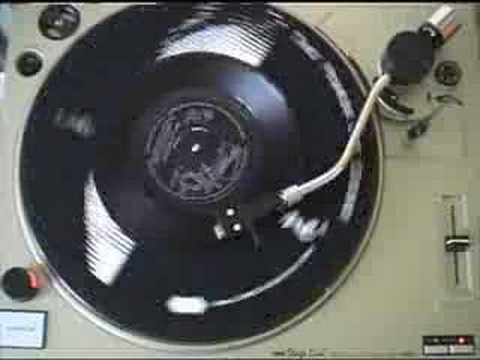
→ More from the 1970s File
View all 1970s hits →




Keep digging