The 1970s File Feature
Mean Mistreater
"Mean Mistreater" — Grand Funk Railroad's Blues-Soaked Billboard Moment The Heaviest Band in America, 1970 There was a moment, right at the turn of the decad…
01 The Story
"Mean Mistreater" — Grand Funk Railroad's Blues-Soaked Billboard Moment
The Heaviest Band in America, 1970
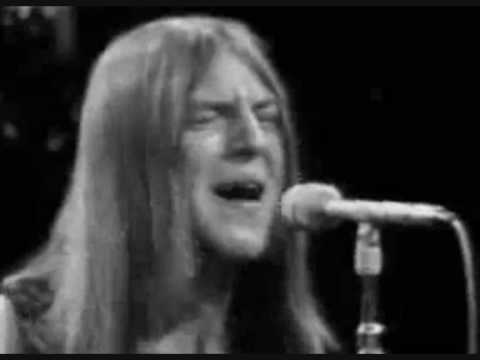
There was a moment, right at the turn of the decade from the 1960s to the 1970s, when Grand Funk Railroad occupied a strange and fascinating position in American rock. Critics hated them. Audiences loved them with a ferocity that few acts of the era could match. The band from Flint, Michigan, had built its reputation on the road, playing massive open-air festivals and arena shows with a raw, thunderous volume that put them squarely in the company of the loudest acts in the world. They did not need critical approval, and they largely did not receive it. What they had instead was a paying audience, and that audience bought records in enormous quantities.
By late 1970, Grand Funk Railroad had become one of the best-selling acts in the United States, despite near-universal critical hostility. Their albums moved units in the millions, their tours sold out arenas, and their fan base had a blue-collar loyalty that transcended fashion. Into this context came Survival, the band's fourth studio album, and from it the single "Mean Mistreater."
Blues Roots Beneath the Thunder
Grand Funk Railroad was never purely a hard rock band, even at their most muscular. The group, centered on guitarist and vocalist Mark Farner, drummer Don Brewer, and bassist Mel Schacher, carried genuine blues influences in their DNA. "Mean Mistreater" drew directly on that tradition, shaping a song around the classic blues narrative of mistreatment and heartache in a way that fit comfortably within a long lineage of American roots music even as it was delivered with the electric volume the band was known for.
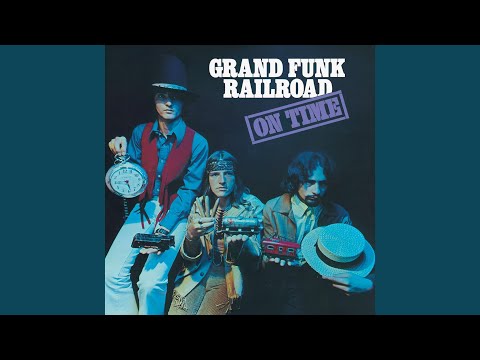
The track appeared on Survival, which was released in 1971, a record that found the band pushing back against their image as a blunt instrument by demonstrating range and emotional depth. "Mean Mistreater" served that purpose well, providing a slower, more deliberately soulful moment within the band's catalog. Farner's vocal performance leaned into the ache of the lyric rather than the attack that characterized some of their harder material.
The Billboard Journey
The single entered the Billboard Hot 100 on December 12, 1970, debuting at position 85. Its climb was steady and methodical over the following weeks: 78, 72, 59, 59. "Mean Mistreater" peaked at number 47 on January 16, 1971, and spent eight weeks on the chart in total. That performance placed it comfortably within the catalog of a band that had become accustomed to generating radio action alongside its more notable album-oriented success.
The single ran concurrent with the broader commercial momentum Grand Funk had built through 1969 and 1970. The band's ability to cross from the album rock world into the singles chart, even modestly, demonstrated the breadth of their appeal. Radio programmers who might have been hesitant to play their harder material found "Mean Mistreater" a reasonable bridge between the band's louder sensibility and the more mainstream pop audience.
The Grand Funk Phenomenon in Context
The story of Grand Funk Railroad in 1970 and 1971 is one of the more compelling cultural paradoxes in rock history. The critical establishment viewed them as musically primitive, and the press largely dismissed them. Terry Knight, their manager at the time, was a divisive figure who shaped their image and commercial strategy in ways that amplified both the band's success and the controversy surrounding them. Despite all this, Grand Funk broke records for concert attendance and album sales that more critically favored artists could not approach.
"Mean Mistreater" exists within that paradox. It is a song that does not overreach or pretend to be something it is not. It draws on the blues with honesty, delivers an emotional performance with conviction, and connects with listeners on the most direct possible terms. Whether that was sufficient to satisfy critics who demanded more sophistication was, for Grand Funk Railroad, largely beside the point.
Durability of the Hard-Working Band
Grand Funk Railroad continued to record and perform into the early 1980s, and their catalog has undergone multiple reassessments over the decades. The same directness that made critics uncomfortable has aged in interesting ways; what once seemed blunt now sometimes reads as unpretentious. "Mean Mistreater" stands as a representative sample of what the band could do when it allowed its blues heart to surface from beneath the hard-rock exterior.
For anyone curious about where American hard rock was gathering itself before it exploded fully into arena rock orthodoxy, this track is an instructive listen. Put it on and hear a band that knew exactly who it was, even when no one in the press agreed.
"Mean Mistreater" — Grand Funk Railroad's singular moment on the 1970s charts.
02 Song Meaning
Pain, Power, and the Blues Tradition: The Meaning of "Mean Mistreater" by Grand Funk Railroad
A Classic Complaint in Electric Clothing
The blues has always been a music of testimony, a form built on the act of giving voice to suffering, naming the source of pain, and transforming personal anguish into shared art. "Mean Mistreater" by Grand Funk Railroad works squarely within that tradition, taking the figure of the cruel or indifferent lover and using it as the focal point for an emotional narrative about betrayal and endurance. What the band brought to this familiar form was their particular electric intensity, translating a musical language rooted in the American South into the hard-rock vocabulary of the early 1970s.
The thematic core of the song is a direct confrontation with mistreatment, naming the behavior of a partner who causes harm and expressing the emotional cost of that harm. This is blues fundamentals, and Grand Funk delivered it without self-consciousness or irony. The emotional directness was entirely in keeping with the band's overall artistic philosophy: say what you mean, play it loud, trust the audience to receive it.
Masculinity, Vulnerability, and the Hard Rock Blues
One of the more interesting cultural dimensions of songs like "Mean Mistreater" within the hard-rock tradition is the question of vulnerability. Hard rock of the early 1970s was often coded as aggressive and masculine in its posture, yet the blues content at its center frequently dealt in grief, longing, and emotional wound. Grand Funk Railroad navigated this tension throughout their catalog, and "Mean Mistreater" is a clear example of a band willing to inhabit vulnerability within a muscular sonic context.
Mark Farner's vocal delivery leaned into the ache of the lyric rather than performing emotional armor. The result was a song that felt genuinely felt rather than strategically positioned, which was consistent with the band's overall relationship with their audience. Grand Funk was not a band known for image construction; they tended to present themselves as straightforwardly as possible, and the emotional content of their music reflected that.
The Era and Its Anxieties
By 1970, American popular music was processing the end of the 1960s' utopian moment. The counterculture had produced extraordinary music but also deep disappointment, and the turn into a new decade carried considerable weight. Rock music in this period often reflected a harder, more disillusioned sensibility, and the blues revival that ran through bands like Grand Funk was partly an expression of that shift: a return to emotional fundamentals, to music that dealt honestly with suffering rather than celebrating communal transcendence.
"Mean Mistreater" fits that cultural moment precisely, offering an emotional honesty that the more idealistic pop of the late 1960s had not always prioritized. Listeners who had come through the decade's turbulence found in blues-inflected hard rock a music that acknowledged the difficulty of human experience without pretending otherwise.
Legacy Within the Grand Funk Catalog
Grand Funk Railroad's catalog is vast and varied, and "Mean Mistreater" occupies a specific niche within it as one of the band's more introspective moments. The song demonstrates that the band's emotional range extended beyond their reputation for pure sonic assault. For listeners who know Grand Funk primarily through their arena anthems and more aggressive material, this track offers a different entry point, one that connects more directly to the foundational blues tradition that informed their sound.
The universality of its themes, mistreatment, pain, and the act of naming both, ensures that the song speaks to listeners across generations. Pain of this particular kind has no expiration date, and the blues form that encodes it remains one of popular music's most durable and honest artistic traditions.
→ More from Grand Funk Railroad
View all Grand Funk Railroad hits →

→ More from the 1970s File
View all 1970s hits →




Keep digging