The 1970s File Feature
Groovy Situation
"Groovy Situation" — Gene Chandler's Soul Comeback The Duke of Earl Returns In the summer of 1970, Gene Chandler was a man with a complicated legacy to navig…
01 The Story
"Groovy Situation" — Gene Chandler's Soul Comeback
The Duke of Earl Returns
In the summer of 1970, Gene Chandler was a man with a complicated legacy to navigate. His 1962 recording of "Duke of Earl" had been a genuine cultural phenomenon, a number-one hit with a character and an attitude so distinctive that it had followed him ever since, both a priceless credential and a potentially confining identity. The decade between "Duke of Earl" and "Groovy Situation" had seen Chandler working steadily through Chicago's vibrant soul recording scene, developing his craft and building a body of work that extended well beyond his signature hit, but the wider pop audience had not always been paying close attention.
"Groovy Situation" changed that calculation decisively. The record debuted on the Billboard Hot 100 on July 11, 1970, and over the following fifteen weeks it constructed one of the most satisfying chart runs of Chandler's career. Gene Chandler had spent years in Chicago's soul recording ecosystem, working with producers and musicians who shaped the distinctive sound of that city's contribution to Black American popular music, and "Groovy Situation" arrived as a distillation of everything that experience had taught him.
The Sound and Its Production
The track carries the characteristic warmth of Chicago soul production in this period: horns arranged with care and precision, a rhythm section that drives without overwhelming, and Chandler's baritone voice placed confidently at the center of the arrangement. The production approach reflected the influence of the Windy City's long tradition of sophisticated soul recordings, rooted in the craft of the city's recording community and the particular stylistic identity that Chicago had developed alongside the Stax sound coming from Memphis and the Motown sound coming from Detroit.
Chandler's vocal performance on "Groovy Situation" is that of a mature artist who has learned exactly how to inhabit a lyric. He is persuasive without straining, warm without sentimentality, and the ease of his delivery gives the record a conversational quality that was part of its appeal. The lyric placed the singer in a social setting, navigating the particular atmosphere of attraction and possibility that the song's title phrase evoked, and Chandler conveyed the pleasures of that situation with the relaxed confidence of someone who has been there before.
A 15-Week Chart Journey
The Hot 100 trajectory of "Groovy Situation" tells the story of a record that found its audience steadily and kept it. From its debut at number 86 in July 1970, the track climbed week by week through the summer, reaching 65 by late July, then through the 50s and 40s as August progressed. By early September the record had entered the top 20, and its momentum continued. The record peaked at number 12 on September 26, 1970, a top-fifteen performance that represented Chandler's most significant pop chart showing in years and demonstrated that his appeal extended well beyond the audience that remembered "Duke of Earl" as a period artifact.
Fifteen weeks on the Hot 100 was a measure of genuine staying power. The record was not simply enjoying a promotional spike; it was sustaining listener interest through the full arc of a summer and into the early autumn, building its audience through consistent radio rotation rather than burning through it.
Chicago Soul and the Broader Landscape
Placing "Groovy Situation" in its proper context requires understanding the competitive landscape of Black popular music in the summer of 1970. Sly Stone, Stevie Wonder, the Jackson 5, and Marvin Gaye were all active presences on the charts, and the soul and R&B landscape was crowded with genuine talent working at high levels. For Chandler to achieve a top-fifteen showing in this company was a testament to the quality of the record and the continued power of his voice as a commercial instrument.
Chicago's contribution to this landscape was frequently underestimated relative to the Motown and Stax machines. But the city had its own tradition of sophisticated soul production, and the network of producers, musicians, and studios that Chandler had worked with over the previous decade gave his recordings a distinctive character that was recognizable to listeners even if it was not always specifically identified.
The Legacy of a Comeback Record
For Gene Chandler, "Groovy Situation" served as proof of continued relevance at a moment when that relevance might reasonably have been questioned. An artist carrying the weight of an eight-year-old signature hit could have been forgiven for being skeptical about his capacity to generate new excitement in a rapidly changing pop landscape. The record's success, both commercially and in terms of the performance quality it represented, was a declaration that Chandler was an active artist rather than a nostalgia act.
Listeners finding the track for the first time through streaming services or soul compilations encounter a record that holds its pleasure without any qualification. The groove is real, the voice is exceptional, and the whole production carries the warmth that the best Chicago soul of the period consistently delivered. If "Duke of Earl" introduced Gene Chandler to the world, "Groovy Situation" proved he belonged there permanently.
"Groovy Situation" — Gene Chandler's singular moment on the 1970s charts.
02 Song Meaning
"Groovy Situation" — Attraction, Social Space, and the Language of Soul
The Social World of the Soul Song
Soul music in 1970 maintained a rich tradition of songs that placed their narratives in specific social settings, using the charged atmosphere of a particular place or situation to explore themes of attraction, desire, and possibility. "Groovy Situation" inhabits this tradition with the ease of a song that knows exactly what it is and where it belongs. The situation of the title is social and romantic, an encounter in a setting charged with possibility, and the song's pleasure comes from the narrator's relaxed confidence in navigating that territory.
The word "groovy" itself carries the weight of a specific cultural moment. By 1970, the slang of the late 1960s counterculture had been absorbed into the broader mainstream, and terms that had once marked insider status were now available to the widest possible audience. Gene Chandler's deployment of the term acknowledged this linguistic shift while grounding it in the soul tradition, where the emphasis on feeling and atmosphere had always been central.
Desire and Confidence in the Male Soul Voice
The emotional register that Chandler brings to the material is one of confident desire rather than anxious longing. This distinction matters in the context of soul music's emotional vocabulary. Where the blues tradition often positioned the narrator as subject to forces beyond his control, suffering from loss or rejection, the soul tradition developed a complementary language of agency and self-possession. Chandler's narrator is not a supplicant but a participant, someone moving through the social world with the ease of a man who knows what he wants and has good reason to believe the feeling is mutual.
This projection of relaxed confidence was itself a form of social statement, particularly in the context of Black American expression. The soul singer who inhabits a romantic situation with ease and dignity, who communicates desire without desperation, was making a claim about humanity and self-respect that resonated with audiences in ways that exceeded the purely musical.
The Language of Attraction in Early Seventies Soul
The social world that "Groovy Situation" describes, a space of attraction and possibility, connection and anticipation, reflects the particular kind of optimism that characterized the best soul music of the period. This was music made primarily for communities that faced significant social obstacles, and the creation of a musical space in which all of that fell away and simple human pleasure was available was a significant act.
The language of soul in this era, the particular idiom of attraction and connection that ran through the genre's lyrical vocabulary, was sophisticated in ways that were not always visible from the outside. The conventions of the form, including the way specific phrases carried agreed-upon meanings within the community, gave songs like "Groovy Situation" a richness of communication that rewarded listeners who were fluent in the tradition.
Why the Record Still Connects
The human experiences that "Groovy Situation" addresses, the excitement of an encounter with someone you find compelling, the warmth of a social situation in which you feel fully at ease, the pleasure of desire that seems reciprocated, are not historically bounded. What changes across time is the specific language, the production aesthetic, the cultural codes. What remains constant is the underlying emotional reality, and Chandler communicates it with enough directness to overcome any historical distance a contemporary listener might feel.
The quality of the vocal performance is the record's most immediate appeal: a voice that carries genuine warmth, technique that serves expressiveness rather than displaying itself for its own sake, and a relationship with the material that sounds like lived familiarity rather than performed emotion. These qualities do not require any particular knowledge of 1970s soul to appreciate; they work on the most immediate level of human communication, one artist speaking directly to whoever is willing to listen across the decades.
→ More from Gene Chandler
View all Gene Chandler hits →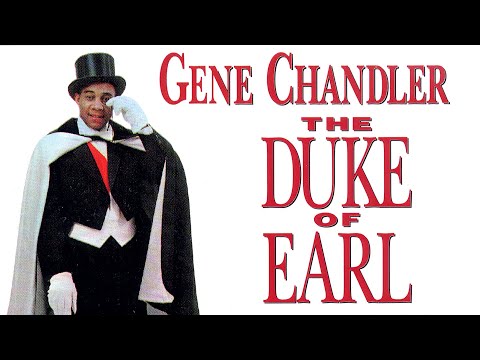

→ More from the 1970s File
View all 1970s hits →




Keep digging