The 1960s File Feature
Rainbow '65 (Part I)
Gene Chandler and the Making of "Rainbow '65 (Part I)" By 1965, Gene Chandler had already secured his place in American pop history. Born Eugene Dixon in Chi…
01 The Story
Gene Chandler and the Making of "Rainbow '65 (Part I)"
By 1965, Gene Chandler had already secured his place in American pop history. Born Eugene Dixon in Chicago in 1937, he had risen from the South Side's rich musical ecosystem to score one of the most indelible novelty-pop hits of the early rock era with "Duke of Earl" in 1962. That record, recorded practically on a shoestring and initially dismissed by major labels, spent three weeks at number one on the Billboard Hot 100 and transformed Eugene Dixon into the self-styled "Duke of Earl," cape and all. The persona was theatrical, the music was jubilant, and the public's embrace was total. What followed, however, proved more complicated.
The years between "Duke of Earl" and "Rainbow '65 (Part I)" were a study in the unpredictable rhythms of pop stardom. Chandler released a string of singles for Vee-Jay Records that achieved modest chart placements but never recaptured the explosive commercial momentum of his debut. He moved through labels and collaborators with restless energy, experimenting with sounds that ranged from sweet pop balladry to harder-edged rhythm and blues. Chicago's recording industry was itself in a period of ferment during this era, with the city's independent labels navigating the rapidly shifting landscape created by the British Invasion and the ascendance of Motown's polished Detroit sound. Against this backdrop, Chandler remained a persistent and capable craftsman, even when blockbuster success eluded him.
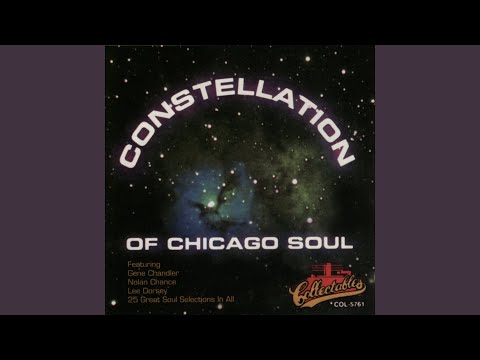
"Rainbow '65 (Part I)" arrived in the first quarter of 1965 on the Constellation Records label, a Chicago independent that had been home to some of the city's more adventurous soul recordings. The track was part of a two-part structure, a format that carried echoes of earlier rhythm-and-blues practice and hinted at the complexity of the full musical statement Chandler and his collaborators had in mind. Part I was the commercially oriented entry point, the side crafted to earn airplay and give listeners a compelling reason to seek out more. It carried the hallmarks of mid-1960s Chicago soul: a warm, insistent rhythm section, horn arrangements that pushed and pulled against the vocal melody, and a production aesthetic that valued feel over clinical precision.
The record reached number sixty-nine on the Billboard Hot 100, a respectable showing for a mid-decade soul release competing against the enormous output of both British acts and the Motown machine. In rhythm-and-blues circles, where Chandler's reputation remained considerably stronger, the reception was warmer still. Chandler's voice, a supple baritone with an appealing roughness at its edges, carried the material with authority. He was not a shouter in the tradition of the hardest gospel-rooted soul men, but he understood how to use dynamics and phrasing to give a lyric emotional weight.
Constellation Records, despite housing genuine talent, lacked the national distribution muscle and promotional infrastructure that labels like Motown or Atlantic could deploy. This structural disadvantage shaped the commercial ceiling for many of its releases, including Chandler's mid-decade output. The label would cease operations within a few years, leaving artists like Chandler to seek new homes for their recordings. The Chicago independent scene as a whole was being reshuffled by economic pressures and the consolidation of the record industry around a smaller number of larger players.
Chandler subsequently moved to Brunswick Records and later to Mercury, where he would find a late-1960s commercial resurgence that many observers had not anticipated. His 1968 recording "There Was a Time" and his early 1970s work demonstrated that his commercial instincts and vocal abilities had not diminished. He would eventually score a substantial comeback with "Get Down" in 1978, a record that found him fully embracing the disco era's rhythmic vocabulary with evident conviction.
Viewed across the arc of his career, "Rainbow '65 (Part I)" occupies the position of a creditable mid-career effort from an artist navigating the demanding middle distance of pop stardom. It demonstrated that Chandler's artistic voice had matured beyond the novelty framework of "Duke of Earl" into something more substantive, even if the commercial returns did not fully reflect that growth. The record stands today as a document of Chicago soul at a pivotal moment, when the genre was defining its own identity in conversation with the larger forces reshaping American popular music throughout the decade.
02 Song Meaning
Themes and Meaning in "Rainbow '65 (Part I)" by Gene Chandler
"Rainbow '65 (Part I)" arrives with a title that is immediately evocative, positioning itself as a statement about optimism and possibility within a specific historical moment. The year embedded in the title was not merely a commercial dating device; it was an act of conscious contemporaneity, an assertion that this music belonged to the present tense and engaged with the particular emotional atmosphere of 1965. Gene Chandler had built his career on theatrical self-presentation, most famously through the Duke of Earl persona, and the rainbow imagery of this record extended that instinct toward something more universally resonant.
The rainbow as a symbol carries enormous cultural and emotional freight. In African American musical and spiritual tradition, it carries associations with divine promise, with the covenant of renewal that follows suffering. Soul music of the mid-1960s was deeply embedded in this tradition, even when its surface presentation was thoroughly secular. The rainbow symbol in the context of 1965 also resonated with the civil rights struggle that was reshaping American society: the arc of the moral universe, the promise of a better day arriving after long struggle. Whether or not the lyric made these connections explicit, the cultural context ensured that listeners heard them.
The two-part structure of the recording itself carries thematic significance. Part I functions as the opening movement, the statement of aspiration and longing. It introduces the emotional premise that Part II would then develop or resolve. This format, borrowed from the tradition of extended rhythm-and-blues recordings that had been circulating since the 1950s, gave the material a sense of incompleteness that was itself meaningful. The listener who encountered Part I on the radio was invited to understand that what they were hearing was the beginning of a larger emotional journey, not a self-contained statement.
Chandler's vocal delivery on the track communicates a particular quality of striving, of reaching toward something not yet fully achieved. This was consistent with the broader emotional grammar of Chicago soul, a genre that frequently located its drama in the tension between present circumstances and future possibility. The horn arrangements that surrounded Chandler's voice on the recording reinforced this quality, pushing forward with an energy that felt propulsive rather than settled.
In the landscape of mid-1960s soul, the song's optimism was not naive but earned. It emerged from a musical community that had processed enormous social pressures and transformed them into art of genuine emotional complexity. The rainbow was not a childlike image but a hard-won one, and Chandler's performance gave it the gravity it deserved. That this quality was delivered within the commercial format of a pop single, with its strict time constraints and radio-friendly production, speaks to the sophistication that characterized the best soul recordings of the era.
→ More from Gene Chandler
View all Gene Chandler hits →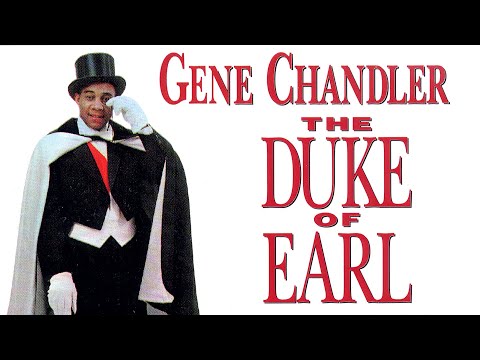

→ More from the 1960s File
View all 1960s hits →




Keep digging