The 1960s File Feature
What Now
"What Now" — Gene Chandler's Soul Crossover at the Close of 1964 Gene Chandler After the Crown Gene Chandler had one of the most distinctive entrances in ear…
01 The Story
"What Now" — Gene Chandler's Soul Crossover at the Close of 1964
Gene Chandler After the Crown
Gene Chandler had one of the most distinctive entrances in early 1960s pop music. His 1962 hit "Duke of Earl" had topped the charts and installed him in the popular imagination as one of soul music's more colorful personalities, a singer with the kind of vocal presence and on-stage charisma that commanded immediate attention. By late 1964, when "What Now" arrived on the Hot 100, Chandler had spent two years working to demonstrate that he was more than a one-song wonder, building a solid catalog of soul and R&B material while the pop landscape shifted dramatically around him.
The fall of 1964 was a particularly charged moment in American pop music. The British Invasion had reshaped the chart's upper reaches, with The Beatles and their contemporaries commanding attention that had previously been distributed more evenly across domestic acts. For American soul and R&B artists, navigating this new landscape required both adaptability and confidence, and Chandler, working out of the Chicago soul infrastructure he had built connections within, was positioned to do both.
The Record and Its Sound
"What Now" is a soul ballad built on the emotional territory that Chandler navigated most effectively: the aftermath of a relationship, the confusion and pain that follows a separation, the desperate questioning that loss provokes. His vocal performance draws on the full range of his instrument, moving between controlled restraint and raw expression with the facility that the best soul singers developed through years of live performance and recording.
The production reflects the Chicago soul aesthetic of the period, a sound being developed at labels like Vee-Jay and in the studios that served the city's thriving R&B community. Orchestral elements frame the vocal without overwhelming it; the rhythm section provides a foundation that is simultaneously emotional and physical. The overall sonic approach places the song squarely within the mainstream soul tradition of 1964, sophisticated enough for pop radio crossover while retaining the directness that defined the genre at its best.
Chart Performance Straddling Two Years
The single debuted on the Billboard Hot 100 on December 5, 1964, at position 78. Its chart run crossed the calendar year boundary, continuing into 1965 as it climbed. The record peaked at number 40, reached on January 16, 1965, after spending eight weeks on the chart. That trajectory, entering toward year's end and peaking in mid-January, reflects a common pattern for records released in the competitive holiday season, which can delay their full chart impact by weeks as holiday-specific material dominates airtime.
A peak of 40 on the Hot 100 during this period represented genuine mainstream pop crossover. The chart in late 1964 and early 1965 was among the most competitive in its history, with British acts, established American stars, and soul crossovers all vying for limited chart positions. Chandler's sustained presence across eight weeks suggests both radio staying power and real audience connection.
Chandler's Broader Trajectory
Looking at "What Now" within Chandler's career, the track falls in a period of active building. He was working consistently, releasing material regularly, and accumulating the chart credits that would support a long career in the music industry. His subsequent work would include continued chart success through the 1960s and 1970s, and his Get Down in 1978 demonstrated that he could adapt to disco-era production and find new audiences decades after his initial breakthrough.
The durability of Chandler's career is partly a testament to his vocal gifts and partly to his willingness to engage seriously with whatever musical moment he found himself in. He never became primarily a nostalgia act while still productive, because he kept making records that participated in contemporary conversations rather than simply trading on past glories.
A Snapshot of 1964 Soul
For those interested in the development of Chicago soul as a distinct regional sound, "What Now" offers a useful snapshot. It captures the genre at a specific moment of maturation, when the production techniques and the emotional vocabulary had coalesced into something recognizable and distinct but had not yet calcified into formula. Gene Chandler at this moment was a central practitioner of that sound, and the track rewards attention as both a piece of cultural history and as simply a very good soul record. Give it a listen and you will hear why the Chicago soul sound commanded such loyal attention across the mid-1960s.
"What Now" — Gene Chandler's singular moment on the 1960s charts.
02 Song Meaning
"What Now" — The Soul Ballad of Disorientation and Unanswerable Questions
The Question as Emotional Structure
There is a particular kind of emotional state that follows the end of a significant relationship, one that resists neat description and refuses easy resolution. It is the state of standing in the aftermath of loss and genuinely not knowing how to proceed, what the future looks like, who you are outside the context of what has just ended. "What Now" by Gene Chandler puts this state into sonic form with precision, building an entire song on the raw existential question that loss provokes.
The question in the title is not rhetorical. It is genuine, desperate, and entirely without a ready answer. This emotional honesty gives the song its staying power; it does not pretend to wrap up grief in a tidy resolution or suggest that the narrator has resources they do not yet possess. The song simply inhabits the moment of disorientation and asks listeners to recognize it, which many of them can and do.
Soul Music and the Architecture of Heartbreak
Soul music in the mid-1960s developed a particularly sophisticated vocabulary for heartbreak, moving beyond the teen-pop conventions of earlier years into territory that acknowledged the full weight of romantic loss. The best of this material understood that heartbreak involves not just sadness but confusion, anger, physical sensation, the disorientation of a world that has been reorganized without your consent.
Chandler's vocal approach carries all of these registers, moving through the emotional landscape of loss with the authority of someone who has found the precise sounds for states that resist easy description. His training in the gospel tradition gave him techniques for projecting emotional intensity without losing musical control, and that combination serves the material exactly right.
Context: 1964 and Its Emotional Landscape
Late 1964 American culture was processing a period of enormous change and uncertainty. The assassination of President Kennedy the previous year had introduced a kind of collective disorientation; the civil rights movement was intensifying; the social landscape was shifting in ways that made the future genuinely difficult to picture. In this context, a song built on the question "what now" resonated beyond its ostensible subject of romantic loss.
The best soul music of this era functioned simultaneously as personal expression and collective processing, giving form to feelings that extended beyond any individual listener's specific circumstances. Chandler's song participates in this function without making the political dimension explicit, which is precisely how the most enduring popular music tends to work.
The Universality of Not Knowing
Songs built on unanswerable questions have a durability that songs built on confident assertions sometimes lack. The feeling of not knowing what comes next, of standing in a moment of transition without a clear path forward, is one of the most universal human experiences. "What Now" names that feeling with directness and sets it to music that matches its emotional weight.
The fact that the question remains unanswered at the song's end is not a failure of the material; it is its most honest quality. Some feelings do not resolve, and a song that pretends otherwise would be less truthful and ultimately less useful to the listeners who need it. Chandler understood this, and the track he delivered in 1964 still speaks to anyone who has ever stood in the wreckage of something important and simply not known how to begin again.
→ More from Gene Chandler
View all Gene Chandler hits →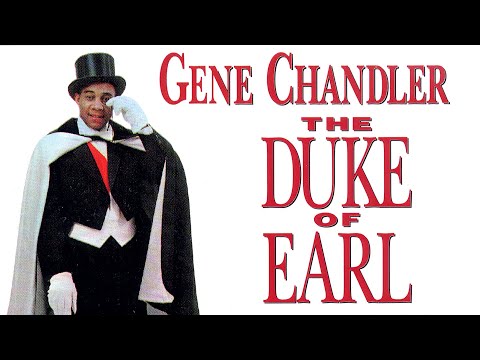
→ More from the 1960s File
View all 1960s hits →




Keep digging