The 1970s File Feature
Shop Around
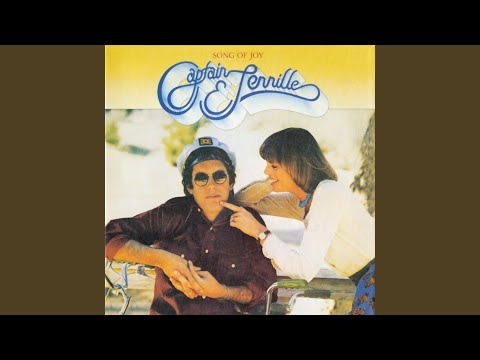
Shop Around — Captain and Tennille Revive a Motown Classic The Pop Duo at Their Commercial Peak The summer of 1976 belonged, in significant measure, to Capta…
01 The Story
Shop Around — Captain and Tennille Revive a Motown Classic
The Pop Duo at Their Commercial Peak
The summer of 1976 belonged, in significant measure, to Captain and Tennille. Daryl Dragon and Toni Tennille had arrived on the national scene the previous year with Love Will Keep Us Together, which spent four weeks at number one on the Billboard Hot 100 and won the Grammy Award for Record of the Year. That breakthrough positioned the duo as one of the most commercially reliable acts in adult contemporary pop, capable of reaching mainstream radio listeners with a combination of polished production, warm vocals, and an easy, affable public image built around their real-life marriage.
By 1976 they had their own television variety show, a steady string of chart singles, and a public profile that extended well beyond the typical pop-star audience. Into this productive period came Shop Around, their take on Smokey Robinson's celebrated Motown classic, which Robinson had written and originally recorded with the Miracles in 1960. The choice to revisit such a foundational piece of American pop history was confident rather than nostalgic: Captain and Tennille brought their own contemporary arrangement sensibility to the track without obscuring the song's essential character.
From Motown 1960 to AM Radio 1976
The original Shop Around by the Miracles had been Motown Records' first million-selling single, a landmark in the label's early history and a defining document of the Detroit sound in its formative years. Revisiting it sixteen years later required a careful balance. Too faithful a recreation would have felt redundant; too radical a departure would have alienated listeners who carried affection for the original. The Captain and Tennille production navigated this territory with reasonable skill, updating the arrangement for the mid-1970s pop landscape while preserving the song's conversational, advice-giving lyrical structure.
The single debuted on the Billboard Hot 100 on May 1, 1976, entering at number 62. Its chart ascent over the following weeks was measured but consistent: 40, 31, 17, 14, building steadily toward what would become a sixteen-week chart run reaching a peak position of number 4 during the week of July 10, 1976. That peak represented one of the duo's strongest individual single performances, falling just short of the top three but firmly establishing the record as one of the summer's major pop hits.
Sixteen Weeks and a Summer Story
The length of Shop Around's chart run, sixteen weeks total, underscored the sustained radio and retail appeal of the recording. Summer 1976 was a crowded pop marketplace; disco was consolidating its hold on the cultural imagination, soft rock was producing its own wave of adult contemporary hits, and the bicentennial summer brought a particular kind of celebratory, uncomplicated mood to the mainstream. A well-crafted cover of a beloved classic fit that mood precisely. Adult listeners who remembered the original could enjoy the nostalgia element; younger listeners encountered what sounded like a fresh, contemporary pop record.
Toni Tennille's vocal performance was central to the recording's appeal. Her voice carried the easy authority of a singer completely at home with the material, conveying the song's advice-giving scenario with the warmth of a trusted confidante rather than the distance of a lecturer. That quality had been a defining characteristic of the duo's best work since their breakthrough, and it served the cover well.
The Art of the Well-Chosen Cover
Captain and Tennille's approach to Shop Around illustrated a principle that the best cover artists understood intuitively: the selection of the song is itself a creative statement. Choosing a Smokey Robinson composition with deep Motown roots communicated something about the duo's taste and their confidence in their audience's musical literacy. It positioned them not merely as current pop performers but as participants in a longer tradition of American popular song. That positioning aligned with the adult contemporary market they were serving, an audience that valued musicianship and history alongside immediate pleasure.
The record's success also extended the pair's remarkable run of hit singles through 1975 and 1976, a stretch that represented the commercial apex of their partnership. The variety show, the chart hits, the public persona of married performers playing music together: for a specific moment in mid-1970s American pop culture, Captain and Tennille had it all. Press play and let the summer of 1976 come flooding back.
"Shop Around" — Captain & Tennille's singular moment on the 1970s charts.
02 Song Meaning
Shop Around — Romantic Caution as Pop Wisdom
Advice as a Love Song Framework
There are only so many ways to write a love song, and Smokey Robinson found one of the less obvious ones when he composed Shop Around: make it a piece of advice rather than a declaration. The lyric frames its romantic counsel as guidance from a mother to her son, urging patience and discernment before committing to a relationship. This parental-wisdom structure gave the song an unusual warmth and specificity, grounding its romantic theme in the texture of family life rather than the abstract landscapes of most pop love songs.
Captain and Tennille's 1976 version preserved this structural quality while bringing a new set of voices to the material. Toni Tennille's vocal approach carried the advice-giving scenario with natural authority, sounding like someone who had genuinely considered the wisdom she was passing along. The interpersonal warmth that defined the duo's public image, built on their actual marriage and evident mutual affection, lent the song's themes of relational caution an additional layer of credibility.
Consumer Culture and Romantic Choice
The song's central metaphor, shopping as a framework for choosing a romantic partner, was more culturally specific to the American postwar moment in which Robinson wrote it than it might initially appear. The early 1960s, when the Miracles recorded the original, were years of expanding consumer culture and suburban prosperity in which the idea of comparison shopping carried genuine resonance. The metaphor said something about how romantic choice was being processed in a society where consumer decision-making had become a primary cultural language.
By 1976, when Captain and Tennille brought the song to a new generation, that consumer context had shifted but not disappeared. The advice to look carefully before committing, to not settle for the first option available, spoke to an era of expanding personal choice and changing social expectations around relationships. The song's message translated easily across the sixteen years between its original recording and the cover, precisely because the underlying caution it expressed was not tied exclusively to its original moment.
The Generational Relay of Great Songs
What Shop Around's history illustrates most clearly is how a genuinely well-constructed song can travel across generations and genres without losing its essential quality. Robinson's composition survived the translation from the Motown sound of 1960 to the soft rock production values of 1976 because its emotional and structural core was strong enough to sustain different arrangements. The hook was memorable, the lyrical concept was clear and repeatable, and the emotional content was accessible without being reductive.
This kind of generational relay is one of the important mechanisms by which popular music maintains continuity across eras. Cover recordings that succeed do not merely reproduce the original; they argue for the song's continuing relevance by demonstrating that a new context can be found for its themes. Captain and Tennille made exactly that argument, reaching an audience in 1976 that had grown up hearing neither Smokey Robinson nor the Miracles and bringing them into relationship with a foundational piece of American pop history.
Wisdom That Does Not Age
The advice at the heart of the song, take your time, consider your options, do not commit in haste, is not tied to any particular decade's understanding of romance. It is practical wisdom of the most durable kind. The song's emotional intelligence rests in its acknowledgment that relationships entered carelessly tend to end painfully, and that the time spent in thoughtful consideration before commitment is time well spent. Pop music rarely manages to encode such common sense so memorably; the fact that this one did, and that Captain and Tennille recognized and honored that quality in their cover, is why the recording continues to find listeners decades after its chart run concluded.
→ More from Captain & Tennille
View all Captain & Tennille hits →



→ More from the 1970s File
View all 1970s hits →




Keep digging