The 1970s File Feature
Lonely Night (angel Face)
"Lonely Night (Angel Face)" — Captain & Tennille's Soft-Rock Triumph Picture the mid-1970s, when smooth, melodic pop ruled the airwaves and a husband-and-wif…
01 The Story
"Lonely Night (Angel Face)" — Captain & Tennille's Soft-Rock Triumph
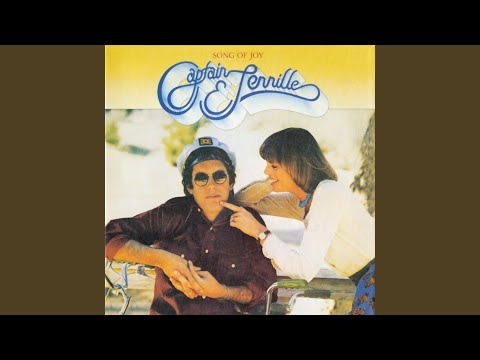
Picture the mid-1970s, when smooth, melodic pop ruled the airwaves and a husband-and-wife duo could turn warmth and craft into chart-topping success. Captain & Tennille were among the era's most beloved acts, masters of polished soft rock with universal appeal. "Lonely Night (Angel Face)" became one of their biggest hits, a tender and tuneful ballad that climbed near the very top of the chart.
A Duo at the Top of Their Game
By 1976, Captain & Tennille had established themselves as one of the most successful pop acts in America, riding a wave of warm, accessible hits. Their blend of melodic songcraft, smooth production, and genuine chemistry made them favorites with a broad audience. The duo specialized in polished, heartfelt pop that connected with listeners of all ages. Their music captured the comfortable, melodic spirit of the mid-1970s, and they were among the defining voices of soft rock's golden moment.
A Strong Climb to the Top Five
The chart run was a major success. The single debuted on the Billboard Hot 100 dated January 24, 1976, entering at number 69. It climbed quickly and confidently, reaching 50, then 25, then 21, then 13, a powerful ascent driven by widespread radio play. The song peaked at number 3 on the chart dated March 27, 1976, placing it firmly among the biggest hits of the year. It spent 19 weeks on the Hot 100, a lengthy run that confirmed both the duo's popularity and the song's broad appeal. Reaching the top five was a significant achievement, cementing their standing as pop royalty.
The Sound of Mid-Seventies Pop
The track exemplifies the warm, melodic soft rock that dominated the airwaves in the mid-1970s. The arrangement is smooth and inviting, built to showcase a strong melody and heartfelt vocal. The song channels the comforting, accessible sound that made Captain & Tennille so beloved. Its tender treatment of loneliness and longing, framed around the affectionate image of an angel face, struck a chord with listeners seeking music that was both emotional and easy to embrace. It is pop craftsmanship at its most appealing.
The Chemistry of a Duo
Part of what made Captain & Tennille so beloved was the genuine partnership at the heart of their music. As a husband-and-wife duo, they brought a warmth and authenticity that audiences found irresistible. That real-life connection lent their love songs a sincerity that purely manufactured acts could not match, giving listeners the sense that they were hearing something genuine. The pairing of a skilled keyboardist and a warm, expressive singer created a complementary balance, the instrumental craft supporting the emotional vocal. This combination defined their appeal throughout the decade, making them one of the most trusted names in soft rock. Their music felt personal and inviting, the work of two people who clearly understood one another, and that quality shines through on a tender ballad like this one. The duo's chemistry was as much a part of their success as any individual song.
A Defining Hit in a Celebrated Catalog
The song stands as one of the duo's signature achievements, a major hit that helped define their place in 1970s pop. It belongs to a remarkable run of success that made them household names. The track demonstrates the melodic gift and emotional warmth that powered the duo's career, the combination of craft and sincerity that kept them among the most popular acts in the country. It captures everything audiences loved about them, the smooth production, the heartfelt vocal, and the genuine chemistry that gave their records a warmth few other acts could match. For fans of classic soft rock, it remains a cherished example of the era's polished, heartfelt style, a top-five hit that captures the duo at the very height of their popularity and the warmth that endeared them to millions of listeners. Press play and let its tender melody carry you back to the warm sound of the mid-1970s.
"Lonely Night (Angel Face)" — Captain & Tennille's singular moment on the 1970s charts.
02 Song Meaning
The Meaning Behind "Lonely Night (Angel Face)" by Captain & Tennille
This is a song about the ache of loneliness and the longing for a beloved presence to fill the empty hours. As the title suggests, "Lonely Night (Angel Face)" pairs the pain of solitude with the tender memory of a cherished partner. Its meaning lives in the contrast between absence and affection, between an empty night and the angel face the narrator misses.
The Pain of Solitude
The central theme is the loneliness that descends when a loved one is away. The song captures the heavy feeling of a night spent alone, the quiet ache of missing someone who is not there. That experience is deeply universal, the way solitude can feel especially sharp in the still hours of the evening. The lyric gives voice to that longing, expressing the vulnerability of needing someone and feeling their absence keenly.
Tenderness in the Title
The affectionate phrase angel face adds a layer of warmth to the song's sadness. The endearment reveals the depth of the narrator's love, casting the absent partner as something precious and treasured. This tenderness softens the loneliness, transforming the song from mere lament into a heartfelt expression of devotion. The contrast between the lonely night and the cherished angel face captures the bittersweet nature of missing someone you love deeply.
A Reflection of Soft Rock's Appeal
The mid-1970s soft rock that this song belongs to specialized in warm, emotionally accessible music about love and longing. The genre prized melody and sincerity, offering listeners gentle reflections of their own feelings. This song fits squarely within that tradition, treating loneliness and devotion with a polished, comforting touch. The era's audiences embraced music that felt heartfelt and easy to relate to, and Captain & Tennille delivered exactly that, wrapping universal emotions in irresistible melody.
Comfort in Shared Feeling
A large part of the song's meaning lies in the comfort it offers through recognition. By giving voice to the loneliness of an empty night, the song lets listeners feel that their own solitude is understood and shared. There is a quiet reassurance in hearing a familiar emotion expressed so tenderly, the sense that one is not alone in feeling alone. The soft rock of the era excelled at this kind of gentle companionship, offering music that sat beside the listener rather than demanding anything of them. The song becomes a source of solace, a reminder that the ache of missing someone is a universal experience. That comforting quality, paired with the affection woven through the lyric, gives the song an emotional generosity that has helped it endure as a tender favorite.
Why It Resonates
The lasting appeal of "Lonely Night (Angel Face)" lies in the universality of its emotions. Everyone has felt the loneliness of being apart from someone they love, and everyone understands the comfort of holding a cherished person in their thoughts. The song captures both feelings with warmth and craft, offering a tender meditation on absence and affection. Its melodic, heartfelt delivery keeps it meaningful, a reminder of how powerfully music can express the simple, deeply human longing for the people we miss most. That timeless emotion ensures the song continues to touch listeners.
→ More from Captain & Tennille
View all Captain & Tennille hits →



→ More from the 1970s File
View all 1970s hits →




Keep digging