The 1970s File Feature
Shackin' Up
"Shackin' Up" — Barbara Mason and the Sounds of Philadelphia Soul A Veteran Voice in a Changing Landscape The spring of 1975 found the American pop landscape…
01 The Story
"Shackin' Up" — Barbara Mason and the Sounds of Philadelphia Soul
A Veteran Voice in a Changing Landscape
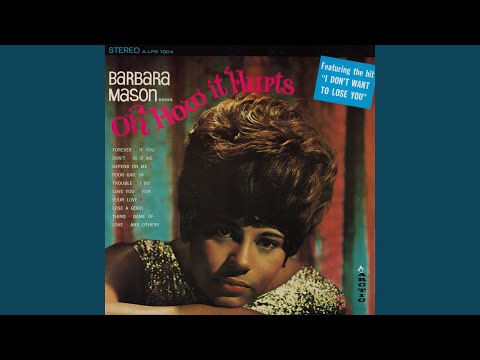
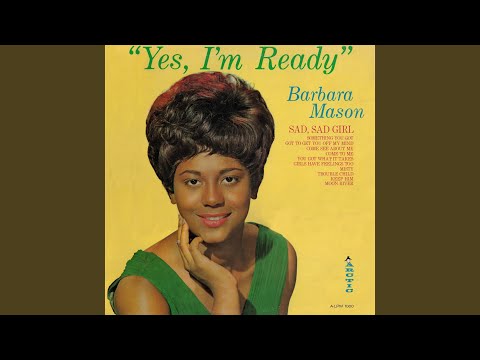
The spring of 1975 found the American pop landscape in an interesting state of flux. Philadelphia International Records was producing some of the most sophisticated soul music in the country, disco was beginning its ascent from underground clubs toward mainstream radio, and the older traditions of classic soul and R&B were being renegotiated in real time. Barbara Mason was an artist who had navigated these shifting currents since the mid-1960s, when her song Yes, I'm Ready had made her a notable presence in Philadelphia's soul scene. By 1975, she had more than a decade of professional experience behind her.
Philadelphia was, in many respects, the capital of American soul music in the mid-1970s. The production work coming out of the city, particularly from the team of Kenny Gamble and Leon Huff, had established a sound that was orchestrated, sophisticated, and deeply rooted in Black musical tradition while reaching across demographic lines. Mason's work existed within this ecosystem, drawing on the city's musical culture even as she pursued her own distinct artistic direction.
The Track and Its Context
"Shackin' Up" arrives in the long tradition of soul music that dealt honestly and directly with the realities of adult relationships, including relationships that existed outside conventional structures. The title itself signaled content that was frank for mainstream pop radio in 1975, addressing the reality of cohabitation outside of marriage with a matter-of-factness that reflected changing social attitudes. Soul and R&B music had always been willing to engage with adult sexual and romantic realities that pop music preferred to leave implicit, and Mason's track continued that tradition.
The production of the period favored lush arrangements, and Mason's recordings from this era reflect that aesthetic. The sounds are warm, the rhythm sections purposeful, the overall atmosphere one of professional craftsmanship applied to material that carries real emotional weight.
The Chart Performance
The single debuted on the Billboard Hot 100 on April 19, 1975, entering at number 99 and climbing gradually over the following weeks: 96, then 92, then reaching its peak of number 91 on May 10, 1975. The track spent 4 weeks on the chart in total, a brief but genuine entry that confirmed Mason's continued ability to place material on the national chart nearly a decade after her initial breakthrough.
A peak of 91 represents a specific position in the commercial ecosystem: solid enough to confirm genuine listener response and radio support, but not high enough to generate the kind of sustained promotional momentum that would carry a song to the upper tiers. For an established artist like Mason, it demonstrated staying power rather than a commercial breakthrough.
Mason's Resilience as an Artist
The arc of Barbara Mason's career is a story of genuine longevity in a business that frequently discards artists after their initial commercial peak. She had been recording and performing since the early 1960s, adapting to changing musical landscapes while maintaining a consistent artistic identity rooted in Philadelphia soul. Her continued chart presence in 1975, more than a decade after her debut, reflects an artist who had built a real relationship with her audience rather than depending on a single commercial moment.
This kind of sustained career was not automatic in the music business of the 1970s. The industry moved quickly, tastes shifted, and radio formats evolved. Artists who remained relevant across multiple eras tended to be those with genuine vocal gifts and the creative adaptability to apply those gifts to new material.
A Sound That Captured an Era
Heard today, "Shackin' Up" is a window into a specific moment in American soul: after the political intensity of the early 1970s, before disco's complete domination of the charts, a period when Philadelphia-rooted soul music was producing some of the most fully realized recordings in the tradition's history. Mason's voice in 1975 carries real authority, the assurance of an artist who had been doing this long enough to know exactly how a performance should feel.
Put it on and let the warm production of mid-1970s Philadelphia soul wash over you. There is craft in every note.
"Shackin' Up" — Barbara Mason's singular moment on the 1970s charts.
02 Song Meaning
"Shackin' Up" — Honesty, Cohabitation, and Soul Music's Engagement with Adult Life
Soul Music's Tradition of Adult Frankness
One of soul music's defining characteristics, across its entire history, is its willingness to address adult reality with directness and without apology. Where certain pop traditions preferred to keep relationships vague, romantic, and uncomplicated, soul consistently engaged with the full texture of adult emotional and physical life. "Shackin' Up" stands in this tradition, addressing cohabitation outside of marriage in a matter-of-fact way that reflected the lived experience of many listeners while remaining almost unacknowledged in more mainstream commercial music.
By 1975, American social attitudes toward cohabitation were shifting significantly. The counterculture's challenges to traditional family structures, combined with economic and social changes that made conventional marriage paths less universal, meant that the reality the song described was increasingly common. Mason's frank engagement with that reality felt not transgressive but simply honest.
The Emotional Stakes of Shared Space
Cohabitation carries specific emotional stakes that the song's title captures immediately. Sharing living space with a romantic partner represents a different kind of commitment than more conventional relationship milestones, one that is simultaneously more intimate in its daily texture and more ambiguous in its formal status. The emotional territory this creates is rich for a soul song: questions of commitment, of public acknowledgment, of what the arrangement means to each person involved.
Soul music in the 1970s excelled at mapping these kinds of emotional complexities, presenting adult relationships in all their ambiguity rather than resolving them into tidy narratives of courtship and marriage.
Philadelphia Soul as Emotional Framework
The production values of Philadelphia soul in the mid-1970s created a specific emotional environment for songs like this one. The lush orchestration, the sophisticated harmonic structures, the careful deployment of strings and rhythm sections all communicated a kind of adult seriousness that matched the subject matter. This was music designed for grown-up feelings, presented with the kind of musical investment that signaled these subjects deserved serious artistic treatment.
That investment in production quality was itself a statement about the dignity of the experiences being described. Soul music's orchestral ambitions in the 1970s were a way of asserting that the emotional lives of its audience mattered.
Why This Frankness Resonated
The audiences for R&B and soul music in the mid-1970s responded to this frankness because it confirmed that their actual lives were valid subjects for music to engage with. A generation experiencing real changes in how relationships were structured needed music that acknowledged those changes without judgment. Barbara Mason's direct approach to the subject offered exactly that: recognition without moralizing, honest description without either condemnation or forced celebration.
That kind of artistic honesty has a durability that more conventionally shaped pop songs sometimes lack. The specific social moment may pass, but the value of frank emotional acknowledgment in music does not.
"Shackin' Up" — Barbara Mason's singular moment on the 1970s charts.
→ More from Barbara Mason
View all Barbara Mason hits →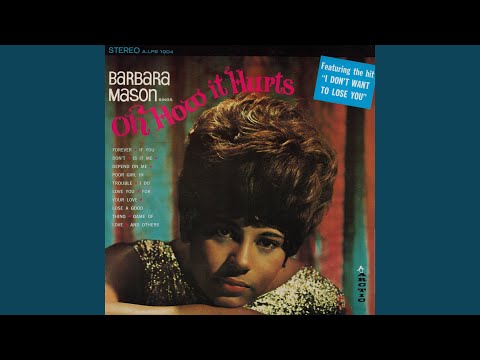

→ More from the 1970s File
View all 1970s hits →




Keep digging