The 1960s File Feature
(I Can Feel Your Love) Slipping Away
Barbara Mason Feels It Fading on (I Can Feel Your Love) Slipping Away Step into the world of late-1960s Philadelphia soul, a city whose smooth, sophisticated…
01 The Story
Barbara Mason Feels It Fading on "(I Can Feel Your Love) Slipping Away"
Step into the world of late-1960s Philadelphia soul, a city whose smooth, sophisticated sound was beginning to reshape American R&B. Among its early stars was Barbara Mason, a singer and songwriter whose gentle voice and intimate songwriting had already made her a distinctive presence on the charts. "(I Can Feel Your Love) Slipping Away" was one of her late-decade releases, a tender soul ballad that touched the Billboard Hot 100 and captured the quiet ache of a love coming undone.
A Philadelphia Soul Pioneer
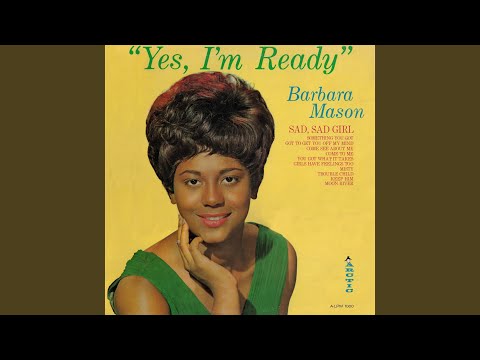
Barbara Mason had broken through earlier in the decade with her self-penned hit "Yes, I'm Ready," a song that showcased her soft, confiding vocal style and her gift for capturing young love's vulnerability. As a young Black woman writing her own material in the 1960s, she was something of a trailblazer, and her work helped lay the groundwork for the Philadelphia soul movement that would flower in the years to come. By the time of this release, she was an established artist with a loyal following, known for songs that felt like overheard confessions rather than grand statements.
The Sound of Tender Heartbreak
"(I Can Feel Your Love) Slipping Away" lived in the emotional register Mason knew best: the intimate, bittersweet territory of love in trouble. Her vocal approach was never about power or theatrics; it was about closeness, the sense that she was singing directly to one person about the most fragile of feelings. The song carried the warm, string-laced production that would soon define Philadelphia soul, a sound built for slow dances and late-night reflection. It was the kind of record that asked the listener to lean in and feel the singer's quiet sorrow. Mason's intimate, confiding style set her apart from the more powerful belters of the era, and that gentleness was the source of her distinctive charm.
A Writer as Well as a Singer
One of the things that distinguished Barbara Mason from many of her contemporaries was her role as a songwriter. In an era when most female soul singers performed material written by others, often men, Mason had broken through with a song she wrote herself, an achievement that gave her a measure of creative control unusual for a young Black woman in the 1960s. That authorial sensibility shaped even the songs she did not write, lending her recordings a personal, diary-like quality. She sang as though the words came straight from her own experience, with the unguarded honesty of someone confiding a secret. This intimacy became her signature, the thing that made listeners feel they knew her, and it helped her carve out a lasting place in the Philadelphia soul tradition.
A Brief Brush With the Hot 100
The single's chart appearance was fleeting. "(I Can Feel Your Love) Slipping Away" debuted at number 97 on September 14, 1968, and that single week marked both its arrival and its peak, as it spent just one week on the Billboard Hot 100. A brief showing near the bottom of the chart hardly captures the song's quality or Mason's importance. Many fine soul records of the era earned only a passing flicker on the pop chart while finding deeper appreciation on R&B radio and among devoted fans. The song's single-week run reflects the crowded competition of 1968 rather than any shortcoming in the music itself.
A Career Bigger Than One Chart Entry
Barbara Mason continued recording into the following decades, and her body of work earned lasting respect among soul aficionados. Her early role in shaping the Philadelphia sound, combined with her rare position as a self-writing female artist, secured her a meaningful place in the genre's history. This particular single is a small but lovely entry in that catalog, a reminder of the tender, heartfelt songwriting that made her voice so beloved.
Give it a listen on a quiet evening and let its gentle sorrow settle over you, the intimate touch of a true soul confidante. Press play and hear Barbara Mason whisper the ache of a fading love.
"(I Can Feel Your Love) Slipping Away" — Barbara Mason's singular moment on the 1960s charts.
02 Song Meaning
The Meaning Behind Barbara Mason's "(I Can Feel Your Love) Slipping Away"
The title says nearly everything: this is a song about sensing the slow loss of someone's affection before it fully disappears. Barbara Mason explores that creeping dread with the intimacy that defined her best work, turning a private heartbreak into something deeply relatable.
The Slow Fade of Love
The song's central image is the gradual cooling of a relationship, the way love can ebb so quietly that you feel it leaving before anyone says a word. The central theme is the helpless awareness of love fading, the painful clarity of watching something precious slip through your fingers. It is heartbreak in slow motion rather than sudden rupture.
Intimacy as Emotional Power
Mason's gift was closeness, and that intimacy shapes the song's meaning. The performance feels like a confession shared in confidence, drawing the listener into a private moment of vulnerability. There is no melodrama here, only the soft, honest sorrow of someone facing an unwelcome truth.
A Woman's Perspective in Soul
Writing from her own pen, Mason brought a distinctly personal point of view to a genre often shaped by male voices. The song offers a tender, female-centered window into heartbreak, giving voice to feelings of vulnerability with honesty and grace. That perspective made her work quietly groundbreaking.
The Dread Before the End
What makes the song so emotionally precise is its focus on the moment just before a breakup, rather than the breakup itself. The lyric dwells in anticipation rather than aftermath, capturing the particular anguish of seeing the end approach while being powerless to stop it. There is no fight, no dramatic confrontation, only the quiet, sinking realization that something has changed. That focus on the slow fade gives the song its haunting quality. It speaks to the way love often dies not in a single blow but in a series of small, almost imperceptible withdrawals, each one a little colder than the last, until one day the warmth is simply gone.
Why It Resonated
The song connected because almost everyone has felt love begin to fade. The track captures the dread of losing affection you cannot hold onto, a fear as common as love itself. Mason's gentle delivery made that fear feel shared rather than isolating.
An Enduring Whisper of Heartache
The meaning endures because the experience never changes. People will always sense, with quiet terror, the moment a love starts to drift away. Barbara Mason gave that feeling a voice of rare tenderness, and the song remains a touching portrait of heartbreak felt one fading day at a time, the kind of quiet sorrow that lingers long after the music ends.
→ More from Barbara Mason
View all Barbara Mason hits →

→ More from the 1960s File
View all 1960s hits →




Keep digging