The 1960s File Feature
You Better Run
The Young Rascals Sound the Alarm on You Better Run Summer 1966, and the airwaves crackled with the sound of a new American garage-soul hybrid coming into it…
01 The Story
The Young Rascals Sound the Alarm on "You Better Run"
Summer 1966, and the airwaves crackled with the sound of a new American garage-soul hybrid coming into its own. Out of the Northeast came the Young Rascals, a tight, blue-eyed soul outfit who could play it sweet one minute and snarling the next. "You Better Run" falls squarely in the snarling category, a warning shot of a record built on attitude, organ, and the kind of restless energy that defined the era's most exciting bands.
A Band on the Rise
The Young Rascals had broken through earlier that year, and they were quickly establishing themselves as one of the most musically gifted groups working in pop. Built around tight harmonies and the punchy keyboard work that gave them their signature sound, they bridged the gap between British Invasion energy and American rhythm and blues. The band wrote much of their own material, an increasingly important mark of credibility in the mid-sixties, and they brought a real live-band toughness to the studio. They were no manufactured act; they had paid their dues on club stages. Their grounding in soul and rhythm and blues set them apart from many of the lighter pop acts of the day, lending even their catchiest singles a backbone of genuine musicianship. That authenticity earned them respect from peers and critics alike, and it allowed them to stretch into tougher territory without losing their audience.
A Warning Set to a Beat
True to its title, the song is all tension and threat. The narrator essentially tells a troublesome partner that she had better take off before things go wrong, the lyric crackling with a confrontational edge unusual for a pop single of the day. The arrangement leans into that mood, driven by aggressive organ and a propulsive beat that keeps the pressure high. The vocal delivery brims with swagger, turning a simple kiss-off into something genuinely menacing. It is among the band's most muscular recordings.
A Solid Top-Twenty Showing
The single performed well on the national chart. It entered the Billboard Hot 100 dated June 18, 1966, at number 72, then climbed quickly week over week. It reached its peak of number 20 on July 16, 1966, and spent seven weeks on the chart in all. Landing just outside the top fifteen kept the Young Rascals firmly in the public eye during a fiercely competitive year, sandwiched between their bigger smashes.
A Footnote That Found New Life
While "You Better Run" never reached the heights of the band's chart-topping anthems, it earned a second act decades later. Pat Benatar revived the song in 1980, turning it into an early MTV staple and introducing it to a whole new generation of rock fans. That afterlife speaks to the durability of the original's tough, hooky construction. A song that can survive and thrive across such different eras clearly had strong bones from the start. Benatar's hard-rock reading proved that the menace baked into the original translated perfectly to a new decade and a new medium, and for many younger listeners her version became the definitive one. The Young Rascals had planted a seed that kept blooming long after their own moment in the spotlight had passed.
Press Play for the Bite
If your image of the Young Rascals leans toward their sunnier, feel-good hits, this record offers a bracing corrective. It shows a band fully capable of menace and grit, riffing hard and singing with real edge. Give it a spin and you will hear why their peers respected them as players, not just hit-makers. It is two and a half minutes of pure, coiled tension, the sound of a young band discovering just how hard they could hit when they wanted to. Few records from that summer carry quite this much bite.
"You Better Run" — The Young Rascals' singular moment on the 1960s charts.
02 Song Meaning
The Meaning Behind "You Better Run"
Most pop songs of 1966 wanted to woo you. This one wants you out the door. "You Better Run" flips the typical romance narrative on its head, delivering a warning rather than a serenade, and that confrontational stance is exactly what gives it lasting bite.
A Relationship Turned Combative
The central theme is a romance gone toxic, viewed from the perspective of someone fed up and ready to push back. Instead of pleading or pining, the narrator issues an ultimatum, telling the other person to leave before real damage is done. It dramatizes the breaking point of a volatile relationship, the moment when patience snaps and self-protection takes over. That emotional honesty about conflict was relatively bold for mainstream pop of the time.
Tension as the Subject
The song is less about love than about the dangerous electricity between two people who cannot quite quit each other. The menace in the music mirrors the menace in the words, the driving organ and urgent beat conjuring a sense of imminent rupture. You feel cornered listening to it, which is precisely the intended effect. The meaning lives in that atmosphere of barely contained confrontation as much as in any specific line.
A New Kind of Pop Attitude
By the mid-sixties, rock and pop were growing teeth, moving past sweet sentiment toward grittier emotional territory. This song reflects that shift. It treats the audience as adults capable of handling conflict and danger, not just puppy love. The Young Rascals were demonstrating range, proving they could channel aggression and edge as convincingly as tenderness, which expanded what their kind of band could express.
Why It Endured
The song's confrontational energy is timeless, which helps explain its later revival. Defiance and self-assertion never go out of style, and a track that captures the moment of standing up for yourself will always find an audience. Pat Benatar's 1980 version proved the underlying sentiment translated perfectly into the harder rock of a new decade, with a fierce female narrator delivering the warning.
Standing Your Ground
Ultimately, "You Better Run" means refusing to be a victim in your own relationship. It is about recognizing danger, drawing a line, and demanding respect even at the cost of the romance itself. That message of fierce self-preservation, wrapped in an irresistible groove, is why the song outlived its original chart run and kept finding new life. The willingness to walk away from something destructive, even something you still want, is one of the hardest forms of courage. By dramatizing that choice with such conviction, the song speaks to anyone who has ever had to choose their own well-being over a relationship that had turned dangerous.
→ More from The Young Rascals
View all The Young Rascals hits →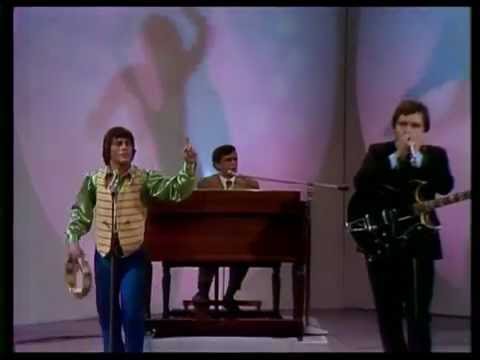




→ More from the 1960s File
View all 1960s hits →




Keep digging