The 1960s File Feature
A Girl Like You
The Young Rascals' "A Girl Like You": Blue-Eyed Soul at the Summer of Love The Rascals at Their Peak By the summer of 1967, the Young Rascals had established…
01 The Story
The Young Rascals' "A Girl Like You": Blue-Eyed Soul at the Summer of Love
The Rascals at Their Peak
By the summer of 1967, the Young Rascals had established themselves as one of the most commercially potent and musically credible groups in American pop. Their blend of soul-inflected rhythm and blues with the melodic sensibility of British Invasion pop had produced a string of hits since 1966, including "Good Lovin'," which reached number one. They were a group with genuine musical chops, capable of playing their instruments with the kind of feel that separated them from many of their contemporaries in the teen-pop marketplace, and their recordings had a live-room energy that radio amplified rather than diminished.
"A Girl Like You" arrived during this peak period, debuting on the Billboard Hot 100 on July 15, 1967. The summer of 1967 was one of the most consequential in the history of popular music, with the Summer of Love in full bloom and the counterculture rewriting the rules of what pop music could say and sound like. Into this remarkable musical environment, the Young Rascals dropped a song that was essentially a pure celebration: an exuberant declaration of appreciation for a remarkable young woman.
The Recording and Its Energy
What strikes a listener about "A Girl Like You" is the immediacy of its energy. The track opens with commitment and sustains it, driven by organ work that was central to the Young Rascals' sound and by a rhythm section that locks into a groove with the assurance of musicians who had spent years playing together. Felix Cavaliere's vocals are at the center, and he delivers the song's celebratory content with the kind of conviction that made him one of the most distinctive white soul singers of his generation.
The production is bright and clean, reflecting the sonic priorities of Atlantic Records, the label responsible for some of the finest soul recordings of the decade. The Atlantic approach to the Young Rascals allowed their inherent musicality to come through without burying it in excessive arrangement. The result was a sound that felt simultaneously polished and spontaneous, which was harder to achieve than the recording made it appear.
A Rocket Through the Top 10
The chart movement of "A Girl Like You" was rapid and striking. Debuting at 61, the single advanced with unusual speed over the following weeks: to 31, then 19, then 11. The song reached its peak of number 10 on August 12, 1967, having climbed more than 50 positions in less than a month. The speed of that climb reflected strong and enthusiastic radio promotion alongside genuine audience appetite, with listeners responding immediately to the track's warmth and energy.
Nine weeks on the Hot 100 documented a solid commercial performance, though the single did not match the number-one achievement of "Good Lovin'" or the top-five results of some of the band's other recordings. In the competitive summer of 1967, reaching the top 10 required fighting for position against some of the most remarkable singles of the entire decade, which made the achievement meaningful in context.
Blue-Eyed Soul and Cultural Identity
The Young Rascals occupied a complicated position in the soul and R&B landscape of the 1960s. As white musicians performing in a style rooted in African-American musical tradition, they faced questions about authenticity and appropriation that were becoming more pointed as the civil rights movement raised the stakes of cultural borrowing. The band's response to this positioning was notable: they were among the first acts to insist that their concert appearances be racially integrated, refusing to perform before segregated audiences. This commitment gave their musical embrace of soul tradition a political context that complicated any simple narrative about cultural theft.
"A Girl Like You" was not a political record in any direct sense, but it existed within this larger context of a band that took seriously both its musical debts and its social responsibilities. The joy in the recording, the uninhibited celebration of admiration and attraction, was one expression of what that seriousness made possible: a freedom to simply play what felt right without the kind of cultural anxiety that might have constrained a less principled approach.
A Summer That Glowed
In retrospect, "A Girl Like You" stands as one of the more purely pleasurable recordings of an extraordinary summer. While much of the musical conversation in 1967 was moving toward complexity, experimentation, and social commentary, this track offered something more immediate: the simple recognition that joy was a legitimate musical subject. The Young Rascals at their best made that case with persuasive force, and this single is one of their more charming pieces of evidence. Put it on and the summer of 1967 comes back with all its warmth and possibility intact.
"A Girl Like You" — The Young Rascals' singular moment on the 1960s charts.
02 Song Meaning
Admiration, Joy, and the Themes Behind "A Girl Like You"
The Uncomplicated Power of Appreciation
Not every song needs to carry the weight of the world. Some of the most enduring pieces in the popular music canon are built around something far simpler: the recognition that another person is extraordinary and the desire to say so as clearly and joyfully as possible. "A Girl Like You" operates in this territory, offering a straightforward declaration of admiration that derives its power from the sincerity and energy with which it is delivered rather than from complexity of theme or ambiguity of emotion.
The emotional simplicity of the song is a feature rather than a limitation. In the summer of 1967, when much of the most admired music was reaching for psychological complexity and political engagement, a song that knew exactly what it wanted to say and said it with complete conviction had its own kind of boldness. The Young Rascals did not hedge; they celebrated, and the directness of that celebration was its own statement.
Love as Recognition
The specific emotional content of "A Girl Like You" is focused on recognition: the experience of encountering someone and seeing in them a quality or combination of qualities that seems genuinely rare. The song articulates the feeling that this particular person represents something the narrator has been waiting to encounter, that "a girl like you" is a category with very few members. This framing of admiration as recognition rather than simple attraction gives the song a slightly more interesting emotional texture than a straightforward love song.
The rhetorical strategy of rarity, the claim that what makes this person special is their exceptionality within a category most people take for granted, is a flattery that carries genuine emotional force. To be seen as rare and remarkable by someone who has paid attention is a more meaningful form of admiration than mere aesthetic appreciation. The song understands this and builds its emotional appeal accordingly.
The Young Rascals and the Soul Tradition
The Young Rascals' relationship to soul music shaped everything about how "A Girl Like You" communicates. The soul tradition placed enormous value on emotional sincerity in performance: the belief that genuine feeling, transmitted through voice and instrument, could create real connection between performer and listener. This tradition understood joy as a legitimate and serious emotional subject, as worthy of musical exploration as pain or longing.
Felix Cavaliere's organ playing and vocal style absorbed this tradition deeply, giving the Young Rascals a musicality that went beyond mere genre imitation. When the band performed a song of celebration and admiration, the musical tradition behind the performance gave it a weight and authenticity that pure pop production could not have supplied. "A Girl Like You" benefits from this foundation, arriving as more than a pleasant ditty precisely because of the musical seriousness behind its apparent simplicity.
Joy in the Summer of Love
The Summer of Love context is worth considering carefully. The counterculture of 1967 had a complex relationship with joy: it celebrated freedom and experience but often filtered both through a language of earnestness and social purpose that could make simple pleasure seem insufficient. In this environment, a song that celebrated admiration and attraction without irony, agenda, or qualification occupied an interesting position. It was not countercultural in any programmatic sense, but its refusal to complicate the experience of joy was its own kind of freedom.
The top-10 chart performance in August 1967 confirmed that this kind of unmediated celebration found a large audience even in the midst of the era's more ambitious musical experiments. Listeners needed songs like "A Girl Like You" as much as they needed the more searching and experimental material of that extraordinary summer. The Young Rascals provided both dimensions in their catalog, and this single represented the sunny, joyful end of their particular emotional range.
→ More from The Young Rascals
View all The Young Rascals hits →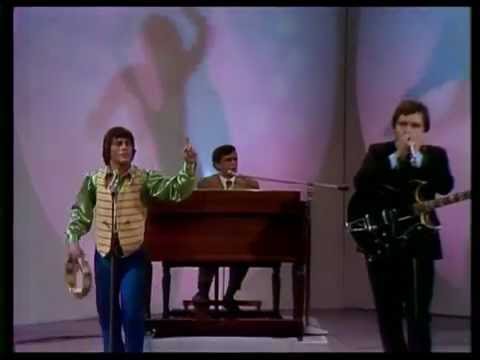




→ More from the 1960s File
View all 1960s hits →




Keep digging