The 1960s File Feature
Say You
Ronnie Dove and the Baltimore Ballad: "Say You" and the Art of the Pop Crooner (1964) In the summer and autumn of 1964, the American popular music landscape …
01 The Story
Ronnie Dove and the Baltimore Ballad: "Say You" and the Art of the Pop Crooner (1964)
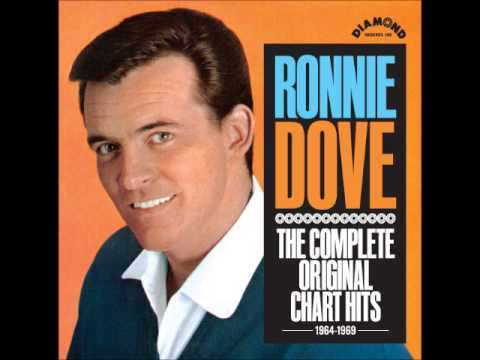
In the summer and autumn of 1964, the American popular music landscape was undergoing one of its most dramatic transformations. The Beatles had arrived in February, and in their wake came a flood of British Invasion acts that were rewriting the commercial rules of the singles market. Against this backdrop, a young singer from Herndon, Virginia, working out of Baltimore and recording for the small Diamond Records label, managed to place a string of romantic ballads on the Billboard Hot 100 by doing something that might have seemed counterintuitive: refusing to adapt to the new British sound and instead doubling down on the traditional American pop crooner aesthetic that the British Invasion was supposedly displacing.
Ronnie Dove's "Say You" entered the Billboard Hot 100 on July 18, 1964, debuting at number 100. The single climbed steadily through eleven weeks on the chart, eventually reaching its peak position of 40 on September 26. That trajectory represented one of the more patient chart climbs of the period, a slow build that reflected the methodical promotion style of a small independent label working without the marketing infrastructure of the major record companies but compensating with persistence and with a product that genuinely connected with radio programmers and listeners who valued traditional pop craftsmanship.
Diamond Records was a small New York-based independent label that had found its commercial footing by identifying and developing artists who occupied the space between mainstream pop and the emerging rock and roll market. The label's founder, Milt Salstone, had a particular talent for matching singers with material, and his work with Dove produced a consistent run of mid-chart successes that demonstrated the continued commercial viability of the romantic ballad even in the midst of the British Invasion upheaval.
Dove himself was a technically accomplished singer whose voice possessed a smooth, warm quality that suited the orchestrated pop ballad format perfectly. He had a gift for emotional directness without melodrama, for conveying genuine feeling without the vocal acrobatics that some of his contemporaries used to signal emotional intensity. This restraint was part of his appeal: he sounded like someone actually speaking from experience rather than performing a heightened version of emotion for an audience. The style was rooted in the Italian-American crooner tradition that had dominated American pop in the 1950s, updated with the slightly more rhythmic feel that 1960s pop production favored.
"Say You" was written specifically to showcase these qualities, built around a simple but effective melodic hook and a lyrical plea for romantic affirmation that any listener could immediately understand and relate to. The production leaned on orchestral strings and a gentle rhythmic pulse that kept the recording feeling contemporary without abandoning the lush arrangements that defined the ballad format. The result was a record that sounded both timeless and of its moment, occupying a space that the British Invasion had not fully colonized: the market for sophisticated adult pop that valued polish and emotional directness over raw energy and youthful rebellion.
Baltimore in the early 1960s had a significant music scene, and Dove had developed his craft in local clubs and venues before attracting Diamond's attention. The regional base gave him a loyal audience in the mid-Atlantic states that helped sustain his chart presence across multiple releases. The support of radio stations in Baltimore, Washington, and the surrounding markets provided a commercial foundation from which Diamond could attempt to build national momentum, and "Say You" represented one of the more successful examples of that strategy.
The chart competition during those late summer weeks of 1964 was dominated by British acts and by the American artists who had most successfully adapted to the new commercial environment. The Rolling Stones, the Animals, and Manfred Mann were all placing records on the Hot 100, alongside American acts like the Supremes, Martha and the Vandellas, and Dean Martin. Dove's presence at number 40 in this company was a genuine commercial achievement, a demonstration that the traditional American pop ballad still had a substantial audience even at the height of the British Invasion.
"Say You" was one of several successful singles Dove placed on the chart between 1964 and 1966, a run that included "Right or Wrong," "Hello Pretty Girl," and "One Kiss for Old Times' Sake." Taken together, these recordings established him as one of the more consistent performers in the mid-1960s pop market, an artist who never reached the very top of the chart but who maintained a steady commercial presence through a combination of genuine vocal talent and smart song selection.
The commercial success of "Say You" demonstrated that the American pop tradition had more resilience than the media narrative of British Invasion dominance sometimes suggested. There was a significant portion of the record-buying public that was not swept up in the excitement around British rock and roll, that continued to respond to the orchestrated romantic ballad with genuine enthusiasm. Ronnie Dove served that audience with skill and consistency, and "Say You" remains one of the cleaner expressions of what he did best.
02 Song Meaning
The Reassurance We Seek: Romantic Affirmation in Ronnie Dove's "Say You"
The request at the center of Ronnie Dove's "Say You" is one of the oldest in romantic communication: the desire for verbal confirmation of what one hopes to be true about a relationship. The word "say" in this context is not merely a request for speech but a request for commitment, for the act of making something true through its articulation. This is a subtle but important distinction, one that gives the song its emotional depth beneath the smooth surface of its production.
The psychology of romantic affirmation that the song explores is rooted in a fundamental human need. Emotional connection, however real it may feel in experience, generates a persistent desire for external validation, for the partner to confirm through words or actions that what one feels is shared and reciprocated. The request "say you" is therefore not an expression of insecurity so much as an expression of the ordinary human need to have private feelings acknowledged in the shared world between two people. Dove's delivery of this theme carried a warmth and directness that made the need feel dignified rather than desperate.
The song also participated in a broader cultural conversation about what romantic love requires and what it offers. The early 1960s pop ballad tradition, from which "Say You" drew its formal conventions, was built around the proposition that romantic relationships were the central site of emotional meaning in a person's life, and that the pursuit and maintenance of such relationships was a worthy primary concern. This was a cultural assumption so pervasive that it rarely required articulation, but it shaped the emotional expectations that listeners brought to recordings like this one.
Dove's vocal approach contributed to the song's meaning in ways that went beyond the literal content of the lyrics. His smooth, restrained delivery communicated a kind of confidence that the more emotionally urgent delivery of some of his contemporaries could not achieve. He was not begging; he was asking, and the distinction was audible. This quality of composed desire, of feeling held with assurance rather than anxiety, gave the song an emotional sophistication that matched the polish of its production.
The orchestral setting reinforced this reading. The strings and carefully arranged instrumental backing created a world of comfort and elegance, a sonic environment in which romantic feelings could be expressed and received without the roughness that the emerging rock and roll aesthetic prized. For listeners who preferred their popular music to evoke warmth and safety rather than excitement and edge, "Say You" offered exactly what it promised.
The song's enduring appeal, for those who encounter it, lies in its recognition of a desire that does not diminish with time: the wish to hear from someone who matters that what one feels is real and returned. Dove captured that wish with the clarity and gentleness that were his defining artistic qualities. The song asked for something small and offered something large in return, and in that exchange it demonstrated the particular power of the well-crafted pop ballad at its most effective. The request embedded in the title resonated with listeners who understood, from their own experience, exactly what was being asked for and why it mattered.
→ More from Ronnie Dove
View all Ronnie Dove hits →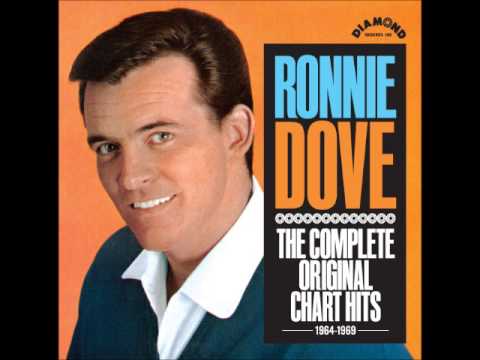
→ More from the 1960s File
View all 1960s hits →




Keep digging