The 1960s File Feature
One Kiss For Old Times' Sake
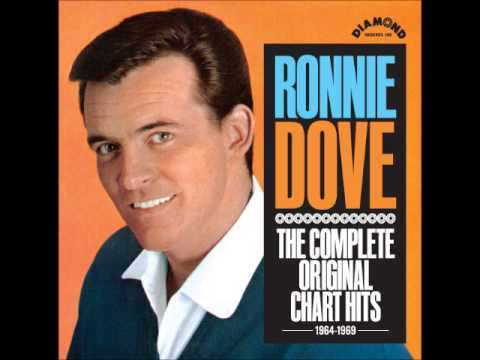
"One Kiss For Old Times' Sake" — Ronnie Dove's Velvet Pop Moment Ronnie Dove and the Sound of Mid-Sixties Soft Pop There is a category of mid-sixties America…
01 The Story
"One Kiss For Old Times' Sake" — Ronnie Dove's Velvet Pop Moment
Ronnie Dove and the Sound of Mid-Sixties Soft Pop
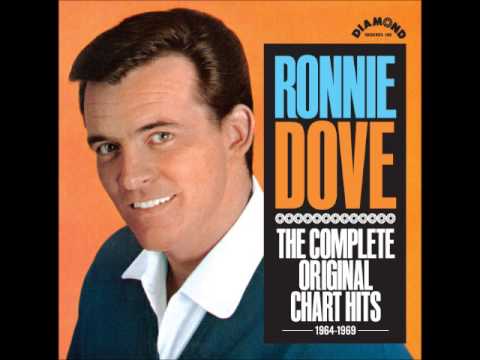
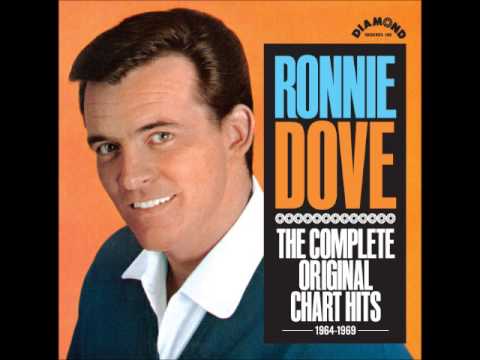
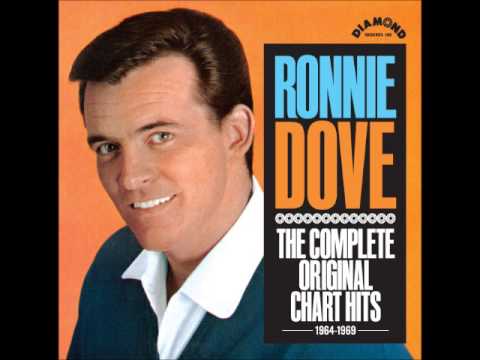
There is a category of mid-sixties American pop that rarely gets discussed alongside the British Invasion or Motown's golden run, but that category produced a substantial number of genuine hits and a handful of singers whose voices were impossible to dismiss. Ronnie Dove belonged to that world with unmistakable credentials. A Maryland-born singer with a warm baritone and an instinct for romantic ballads, he spent the middle years of the 1960s releasing a series of polished, mainstream pop singles on Diamond Records that reached and held the attention of a large adult listening audience. By the time "One Kiss For Old Times' Sake" arrived in early 1965, he was operating at the peak of his commercial period.
The Song and Its Construction
The track is a classic mid-tempo ballad of the period, built around a melody that gives the vocalist room to breathe and color each phrase. The production style favors lush orchestration typical of the era's mainstream pop approach, with strings providing warmth and a rhythm section that sits comfortably beneath the melody without drawing attention to itself. Dove's voice, which carried a natural sincerity that suited the material perfectly, delivers the central sentiment without overselling it. The restraint is part of what makes the performance work; the emotion is present but not overwrought, which allowed the record to connect with listeners who might have been put off by more theatrical delivery.
The Chart Climb
The single entered the Billboard Hot 100 on March 13, 1965, debuting at position 92. Its ascent was steady and patient, moving through 82, 61, 44, and 34 across successive weeks before continuing upward and reaching its peak of number 14 on May 15, 1965, spending 11 weeks on the chart in total. A top-fifteen finish on the Hot 100 was a significant commercial achievement in 1965, a year when competition from British acts was at its fiercest and when the chart's top spots were being contested by some of the most commercially potent artists of the decade. Dove's ability to hold his own in that environment said something real about the appeal of his style.
Diamond Records and the Independent Mainstream
Diamond Records, Dove's label, was a New York-based independent that occupied an interesting commercial position in the sixties pop landscape. The label focused on mainstream pop product aimed at adult and general audiences rather than teenagers, which gave its artists a somewhat different relationship to the British Invasion than the youth-market labels were experiencing. While the Invasion was reshaping the tastes of younger listeners, there remained a substantial radio audience for polished American pop of the kind Dove delivered, and Diamond was well positioned to serve that audience.
The Radio Landscape That Received the Record
In the spring of 1965, American radio was a genuinely contested space. British Invasion acts were competing with Motown, girl groups, surf music, and established adult pop artists for airtime, and stations serving different demographics made different choices. Dove's recordings tended to perform well on stations catering to listeners who preferred polished adult pop over the harder edges of rock and roll. The breadth of his radio reach meant that "One Kiss For Old Times' Sake" found audiences in markets where British Invasion acts were less dominant, and that geographic and demographic diversity contributed meaningfully to its 11-week chart run. Not every hit in 1965 was coming from the youth market, and Dove's success in this period is a reminder of how heterogeneous the sixties chart landscape actually was.
Dove's Place in the Mid-Sixties Landscape
Ronnie Dove scored a series of top-forty hits between 1964 and 1967, making him one of the more consistent charting acts of the mid-sixties despite receiving relatively little attention in retrospective accounts of the era. "One Kiss For Old Times' Sake" sits near the center of his commercial run, capturing him at the moment when his formula of warm voice plus sincere orchestrated ballads was connecting with audiences most reliably. For listeners who want to understand the full breadth of what the sixties pop charts contained beyond the iconic hits, Dove's catalog is a rewarding place to look, and this single is a fine entry point into it.
Press play and hear mid-sixties American pop at its most gracefully assured.
"One Kiss For Old Times' Sake" — Ronnie Dove's singular moment on the 1960s charts.
02 Song Meaning
The Meaning of "One Kiss For Old Times' Sake" — Nostalgia, Closure, and the Bittersweet Farewell
The Nostalgic Request at the Heart of the Song
The title of the song positions its emotional request with quiet clarity. A kiss for old times' sake is an appeal to shared history, to the residue of affection that lingers after a relationship has moved into its past tense. The lyrical premise is fundamentally elegiac, the narrator invoking what was rather than arguing for what might still be. That distinction matters emotionally. This is not a song about winning someone back; it is a song about honoring what existed with a final, gentle acknowledgment before letting it go. The mood is bittersweet rather than desperate, which gives the record its particular emotional quality.
Nostalgia and the Mid-Sixties Listener
In the cultural climate of 1965, with the pop world convulsing through the British Invasion and youth culture asserting itself with unusual force, the nostalgic register of a song like this spoke to a specific audience. Older listeners, those who had grown up on the ballad traditions of the 1940s and 1950s, found in Dove's work a familiar emotional vocabulary at a moment when much of pop radio felt foreign to them. The appeal to memory and shared history embedded in the song's premise carried extra resonance for an audience living through rapid cultural change and perhaps feeling some nostalgia of their own for a recent, simpler past.
Sincerity as an Emotional Strategy
Pop songs about romantic endings can go several directions emotionally, including anger, grief, or calculated cool detachment. "One Kiss For Old Times' Sake" chooses sincerity, and that choice is its defining artistic decision. Dove's vocal approach foregrounds emotional honesty over any kind of performative drama, which made the record accessible to listeners who responded to straightforwardness rather than theatrical excess. Sincerity in pop is harder to execute than irony or detachment because it leaves the performer with nowhere to hide, and Dove's willingness to inhabit the sentiment fully is what makes the recording work.
The Ballad Tradition and Its Pleasures
Songs about romantic nostalgia have formed a continuous thread through popular music for as long as popular music has existed, and they persist because the emotional experience they describe is universal. Everyone has a shared history with someone; most people understand the feeling of wanting to mark an ending without erasing what came before. The pleasures the song offers are not complicated or intellectually demanding, and that accessibility is part of their value. "One Kiss For Old Times' Sake" connects to that tradition with elegance and warmth, offering exactly what it promises and doing so with the polish and sincerity that defined Ronnie Dove's appeal throughout his commercial peak.
→ More from Ronnie Dove
View all Ronnie Dove hits →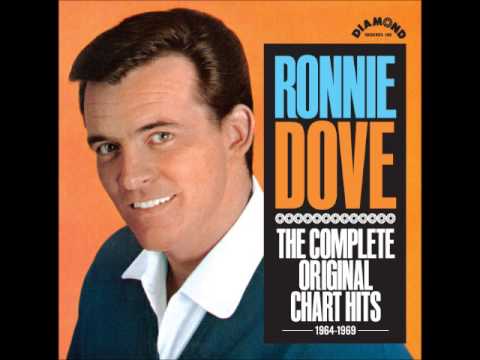
→ More from the 1960s File
View all 1960s hits →




Keep digging