The 1960s File Feature
Right Or Wrong
Right Or Wrong by Ronnie Dove: A Smooth Crooner's Rise in Late 1964 Picture American radio in the autumn of 1964, a moment of remarkable upheaval. The Britis…
01 The Story
"Right Or Wrong" by Ronnie Dove: A Smooth Crooner's Rise in Late 1964
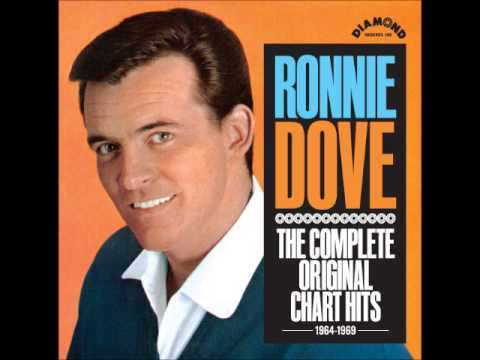
Picture American radio in the autumn of 1964, a moment of remarkable upheaval. The British Invasion was sweeping the country, the sound of pop was changing by the week, and yet there was still ample room on the airwaves for a smooth, romantic balladeer with a warm voice and impeccable phrasing. Ronnie Dove stepped into that space and made a real impression. "Right Or Wrong" helped establish him as one of the more reliable hitmakers of the mid-1960s pop landscape.
A Voice Built for Romance
Ronnie Dove emerged during the years when the polished pop crooner still had a strong commercial pull, even as guitar bands were storming the charts. His appeal lay in a clear, expressive voice ideally suited to tender love songs. Ronnie Dove became a steady presence on the 1960s charts, stringing together a series of hits that made him a favorite among listeners who craved romance over rebellion. "Right Or Wrong" arrived as part of that run, helping to cement his reputation as a dependable purveyor of heartfelt pop.
The Sound of the Single
"Right Or Wrong" plays to all of Dove's strengths. The arrangement is lush and supportive, framing his vocal in the warm, orchestrated style that defined so much pop balladry of the era. There is a sincerity to his delivery that sells the song's emotional stakes, the sense of a singer fully committed to the sentiment. Dove's expressive, heartfelt vocal carries the record, turning a straightforward love song into something that lingers. It is classic mid-1960s pop craftsmanship, elegant and unhurried.
A Strong Climb Into the Top Fifteen
The single performed well during a competitive season. "Right Or Wrong" debuted at number 81 on October 24, 1964, then climbed with real momentum through the late autumn. It moved to 61, then 46, then 31, then 22, gathering listeners with each passing week. The song peaked at number 14 on December 5, 1964, a strong showing that placed it solidly in the top fifteen. It spent ten weeks on the Billboard Hot 100, a healthy run that confirmed Dove's standing as a genuine hitmaker amid the changing tides of mid-decade pop.
The Crooner Amid the Invasion
There is a fascinating context to Dove's success that makes it all the more notable. Late 1964 was the height of Beatlemania, when British guitar bands were rewriting the rules of American pop and pushing aside many of the established stars of the prior era. The traditional pop singer seemed, on paper, like an endangered species. Yet artists like Dove demonstrated that there remained a substantial audience for polished romantic balladry, listeners who wanted melody and sentiment rather than amplified rebellion. Dove thrived even as the British Invasion raged, carving out a loyal following by offering exactly what the new bands did not. His persistence on the charts through this turbulent stretch speaks to the durability of classic pop craftsmanship. The story of mid-1960s music is usually told through the invasion, but singers like Dove are an essential and often overlooked part of that same picture.
A Reliable Hitmaker's Legacy
Ronnie Dove may not be a household name today, yet in his moment he was a consistent chart presence whose romantic ballads found a loyal audience. "Right Or Wrong" stands as one of the building blocks of that career, a single that helped him sustain momentum through a crowded and rapidly evolving era. His string of mid-1960s hits made him a fixture for fans of traditional pop singing. For anyone exploring the smoother side of the British Invasion years, his work offers a warm and rewarding listen.
Let "Right Or Wrong" remind you of an era when a great voice and a heartfelt lyric were all a song needed. Press play and let Ronnie Dove's warm crooning carry you back to late 1964.
"Right Or Wrong" — Ronnie Dove's singular moment on the 1960s charts.
02 Song Meaning
What "Right Or Wrong" by Ronnie Dove Is Really About
At its emotional center, "Right Or Wrong" is a song about unconditional devotion, the willingness to stand by love regardless of consequences. The title frames a choice that the singer has already made: whether the relationship proves wise or foolish, he is committed. It is a classic statement of romantic loyalty, delivered with the sincerity that defined Dove's appeal.
Devotion Without Conditions
The central theme is steadfast commitment. The promise to love regardless of outcome runs through the song, expressing a kind of devotion that refuses to be talked out of itself. The phrase "right or wrong" captures a heart that has stopped weighing pros and cons and simply chosen to stay. It is love as a decision rather than a calculation.
The Risk of Surrender
Beneath the romance sits a quiet acknowledgment of vulnerability. The willingness to accept whatever may come implies an awareness that love can lead to hurt as easily as happiness. The singer is not naive; he understands the gamble and embraces it anyway. That clear-eyed acceptance gives the sentiment more weight than a simple declaration of bliss would carry.
Romance in a Changing World
The cultural setting adds resonance. In late 1964, as youth culture and pop music were transforming rapidly, the enduring appeal of traditional romance still held powerful sway. Songs like this one offered reassurance and warmth amid a shifting landscape, affirming old-fashioned devotion at a moment of cultural change. While the new bands sang of energy and rebellion, this record spoke a gentler language that many listeners still craved. Its sincerity was part of its comfort, a steady emotional anchor in a year when so much around it was in flux. The song reminded its audience that the timeless promises of love had not gone out of style.
Why It Connected
The song resonated because its emotion is both timeless and deeply human. The dream of loving without reservation speaks to a longing many people carry, the wish to give one's heart completely.
Loyalty as an Ideal
The sentiment at the heart of the song taps into something people deeply value: the ideal of a love that will not waver. The fantasy of unbreakable devotion has powered countless love songs across every era because it answers a real human longing for security and constancy. To be loved no matter what, to know that someone will stand beside you whether you are right or wrong, is among the most reassuring promises a song can make. Dove delivers that promise with such evident sincerity that the listener wants to believe it. The song does not complicate the ideal or undercut it with irony; it simply offers devotion in its purest form. That straightforwardness is exactly what made it comforting to the audiences of its day, and it remains a tender testament to love freely and fully given.
→ More from Ronnie Dove
View all Ronnie Dove hits →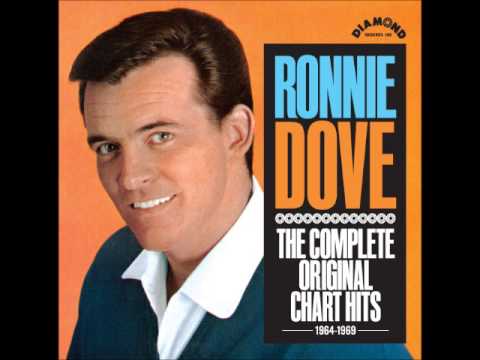
→ More from the 1960s File
View all 1960s hits →




Keep digging