The 1960s File Feature
Just Like Me
Just Like Me by Paul Revere The Raiders Featuring Mark Lindsay Picture late 1965, the American airwaves crackling with the energy of a garage-rock explosion …
01 The Story
"Just Like Me" by Paul Revere & The Raiders Featuring Mark Lindsay
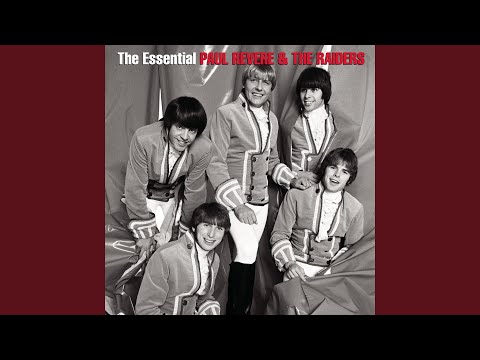
Picture late 1965, the American airwaves crackling with the energy of a garage-rock explosion that was answering the British Invasion with raw, homegrown fury. Out of the Pacific Northwest came a band dressed in Revolutionary War costumes, all tricorn hats and ruffled cuffs, who looked like a novelty act and played like a fierce, tight rock and roll machine. "Just Like Me" was the record that turned Paul Revere & The Raiders into national stars, a snarling, organ-driven blast that climbed to the very edge of the Top 10.
A Band Built for Television
The Raiders had been kicking around for years before this breakthrough, but 1965 was their year of arrival. The band became regulars on the influential television show Where the Action Is, which beamed their charismatic energy into living rooms across the country every afternoon. With the magnetic Mark Lindsay out front as lead singer, all good looks and ponytail and swagger, they had exactly the kind of visual appeal that the new television age rewarded. The costumes were a gimmick, but the music underneath was the real thing.
The Sound of the Record
"Just Like Me" is a garage-rock landmark, and one feature in particular made it legendary: its raw, distorted double-tracked guitar solo, often cited as a pioneering moment in the development of the genre's sound. The track barrels forward on a churning rhythm, a punchy organ, and Lindsay's sneering, urgent vocal. There is nothing polished or pretty about it. The energy is jittery and aggressive, the production deliberately rough around the edges, capturing the sound of a band that wanted to grab you by the collar. It is the kind of record that influenced countless teenagers to pick up guitars in basements and garages.
Knocking on the Door of the Top 10
The chart run was a strong one. "Just Like Me" debuted on the Billboard Hot 100 on December 4, 1965, at number 85, and it shot upward fast, leaping into the Top 40 within weeks. It reached its peak of number 11 on January 22, 1966, agonizingly close to the Top 10 but a genuine smash all the same. The single spent fifteen weeks on the Hot 100, a substantial run that cemented the band's national profile and set the stage for the bigger hits that would follow. For a group that had looked like a regional curiosity, this was the record that made them a phenomenon.
America Answers the Invasion
To understand the song's impact you have to feel the competitive heat of 1965. The British Invasion had stormed the American charts, and homegrown bands were scrambling to respond with something equally vital. Garage rock was the scrappy, defiant American answer, a movement of young groups making loud, fuzzy, fiercely energetic music in basements and rehearsal rooms across the country. The Raiders, with their television platform and their raw sound, stood near the front of that charge. A record this aggressive proved that American kids could match the swagger coming across the Atlantic, and it helped fuel a wave of similarly snarling singles that would crowd the charts in the months ahead.
Garage Rock's Enduring Influence
The Raiders went on to a long string of hits, but "Just Like Me" holds a special place as the song that announced them. More than that, it became a touchstone of American garage rock, a genre whose snarl and simplicity would echo through punk, new wave, and beyond. The song has been covered and celebrated by later generations of rock musicians who recognized its raw power. Drop the needle and you can hear the whole future of scrappy, attitude-first rock and roll taking shape in under three minutes.
"Just Like Me" — Paul Revere & The Raiders Featuring Mark Lindsay's singular moment on the 1960s charts.
02 Song Meaning
The Meaning Behind "Just Like Me"
"Just Like Me" is a song about heartbreak and the shock of comparison, sung from the perspective of a young man who discovers that the girl he loves is treating him exactly the way someone once treated her. The emotion is raw and immediate, a tangle of hurt, jealousy, and bruised pride that fits the garage-rock fury of the music perfectly.
The Sting of Being Replaced
The lyrics circle the painful realization that history is repeating itself, that the singer is being made to feel the same heartache his partner once endured. The song captures the disorientation of young love gone wrong, the sense that you are caught in a cycle you cannot control. There is real anguish underneath the bravado of the sound.
Adolescent Emotion at Full Volume
What makes the song work is how it matches feeling to sound. The aggressive, distorted arrangement mirrors the turmoil in the words, turning private heartbreak into something loud and physical. This was teenage emotion expressed without restraint, which is exactly what made garage rock so cathartic for the kids who lived inside those feelings.
The Teenage World of 1965
The song belongs to a moment when pop music spoke directly to a vast, restless youth audience. The mid-sixties saw rock and roll become the central language of American teenagers, a way to process the dramas of dating, jealousy, and identity. "Just Like Me" gave those everyday heartbreaks the weight and noise they felt like they deserved.
Pride and Powerlessness
Underneath the noise runs a thread of wounded pride. The narrator is not just hurt but indignant, caught between loving someone and resenting how he is being treated. That mix of vulnerability and defiance is what gives the song its emotional texture, the sense of a young person trying to hold onto his dignity while his heart is being trampled. The aggression in the music is partly a mask for that helplessness, a way of channeling humiliation into something that at least sounds powerful. It is a strikingly honest portrait of how teenage hurt often disguises itself as anger.
The Cycle of Heartbreak
One of the song's sharper insights is its sense of repetition. The narrator realizes he is reliving a pain his partner once felt, suggesting that heartbreak passes from person to person like a hand-me-down. That awareness gives the lyric an unexpected thoughtfulness beneath all the noise, a recognition that cruelty in love is often learned rather than chosen. The song captures the bitter irony of being hurt by someone who was once hurt the same way, a cycle that feels all too familiar to anyone who has watched it play out in their own life.
Why It Still Hits
The song endures because the feeling at its core never goes out of style. Almost everyone has known the sting of realizing they are being treated unfairly in love, and the track turns that universal hurt into a fist-pumping release. It resonates because it refuses to suffer quietly, channeling pain into energy. That alchemy, turning sadness into something you can shout along to, is the lasting magic of great garage rock.
→ More from Paul Revere & The Raiders Featuring Mark Lindsay
View all Paul Revere & The Raiders Featuring Mark Lindsay hits →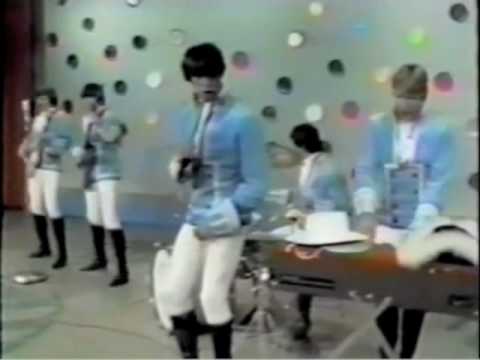
→ More from the 1960s File
View all 1960s hits →




Keep digging