The 1960s File Feature
Take Me Back
The Story Behind Take Me Back by Little Anthony And The Imperials A Vocal Group at the Height of Their Second Wind By 1965, Little Anthony And The Imperials …
01 The Story
The Story Behind "Take Me Back" by Little Anthony And The Imperials
A Vocal Group at the Height of Their Second Wind
By 1965, Little Anthony And The Imperials had already experienced a remarkable career resurgence, having successfully reinvented their sound after an earlier commercial lull to become one of the era's most reliable and consistently charting vocal groups. This single arrived during that genuinely impressive second commercial wind, continuing a productive stretch that had already restored the group to prominent chart positions after their initial late-1950s doo-wop success had faded somewhat in the years prior.
A Polished, Emotionally Soaring Soul Ballad
"Take Me Back" showcased lead vocalist Little Anthony's distinctive, emotionally soaring falsetto atop a lushly orchestrated soul arrangement, favoring dramatic vocal builds and sophisticated harmony work that had become the group's established signature sound during this particular commercial resurgence. That polished, emotionally intense style distinguished the group from many contemporaries, blending doo-wop vocal tradition with more contemporary mid-1960s soul production sensibilities.
A Strong, Rapid Chart Climb
Commercially, "Take Me Back" debuted on the Billboard Hot 100 on June 26, 1965, and climbed rapidly to reach its peak position of number 16 during the chart week of August 14, 1965, spending eleven weeks on the chart overall. That strong, relatively swift climb into the upper reaches of the chart reflected genuine widespread radio embrace, confirming the group's continued commercial relevance even amid the ongoing British Invasion disruption reshaping much of the broader American pop landscape.
A Genuine Confirmation of Sustained Commercial Relevance
Reaching the top twenty represented a significant commercial achievement for the group during this specific competitive period, confirming that their established emotionally intense vocal style could continue generating substantial hits even as newer sounds increasingly dominated much of mainstream pop radio. That confirmation mattered considerably for the group's ongoing career momentum, reinforcing the commercial viability of their carefully cultivated soul-inflected vocal group sound.
Part of a Broader Mid-1960s Soul Vocal Group Tradition
This single arrived amid a broader flourishing of American soul-influenced vocal groups achieving substantial mainstream chart success throughout the mid-1960s, a commercially vibrant period when polished harmony singing and dramatic lead vocals found genuine mass audience appeal across radio formats. That broader vocal group tradition gave acts like Little Anthony And The Imperials continued commercial opportunities even as rock and British Invasion acts increasingly dominated other segments of the same competitive chart landscape.
A High Point Within an Already Impressive Resurgence
Within the group's broader career arc, this recording represented one of the strongest chart performances of their notable mid-1960s commercial resurgence, reinforcing their standing among the era's most reliable and consistently successful vocal groups. That sustained success validated the group's decision to evolve their sound incrementally toward more contemporary soul production while still preserving the vocal harmony tradition that had originally established their identity.
A Showcase for Little Anthony's Distinctive Voice
The single also served as a genuine showcase for lead vocalist Little Anthony's uniquely expressive falsetto range, a vocal instrument that had already become one of the era's most immediately recognizable and frequently imitated within the broader soul and vocal group tradition. That distinctive vocal signature gave the group's recordings an immediately identifiable quality that helped distinguish them within an increasingly crowded competitive vocal group marketplace.
A Group Navigating Changing Radio Formats
The group's continued success also reflected their genuine adaptability navigating an increasingly fragmented radio landscape, where soul, pop, and rock formats were beginning to diverge more distinctly than in earlier years when a single dominant pop format had governed most mainstream American radio programming. That navigational skill helped the group maintain relevance across multiple overlapping radio formats simultaneously, a genuinely valuable commercial asset during this specific transitional period in American radio history.
A Defining Chapter in a Resurgent Career
Press play and hear a vocal group at the height of their impressive comeback, delivering soaring, emotionally intense harmony singing that defined mid-1960s soul at its most polished.
"Take Me Back" — Little Anthony And The Imperials' singular moment on the 1960s charts.
02 Song Meaning
What "Take Me Back" Is Really About
A Plea for Romantic Reconciliation
As its title directly signals, the song centers on an urgent, emotionally intense plea for romantic reconciliation, the narrator openly expressing genuine desire to restore a relationship that has recently ended. Little Anthony's distinctive falsetto vocal delivery amplifies that urgency throughout, using dramatic vocal builds to convey genuine desperation rather than mere polite romantic request.
Falsetto as an Instrument of Emotional Intensity
Throughout the recording, the lead vocal's soaring falsetto range functions as the song's primary emotional instrument, using dramatic vocal peaks to underscore key moments of the narrator's plea and reinforce the genuine intensity of the underlying romantic longing being expressed. That vocal approach was characteristic of the group's broader mid-1960s sound, distinguishing their emotionally soaring style from more restrained contemporary soul vocal deliveries.
Orchestral Backing Reinforcing Dramatic Vocal Peaks
The song's lush orchestral arrangement swells alongside the lead vocal's dramatic peaks, using coordinated instrumental and vocal dynamics to maximize the emotional impact of the central romantic plea running throughout the recording. That coordinated arrangement approach reflected sophisticated production values increasingly common across mid-1960s soul and vocal group recordings, using full ensemble resources to amplify rather than simply accompany the lead vocal performance.
Harmony Vocals Providing Emotional Support
Behind the soaring lead vocal, the group's supporting harmony singing provides a steady emotional foundation, reinforcing the central plea's sincerity through tight, well-blended vocal arrangement work characteristic of the group's established doo-wop and soul vocal tradition. That harmonic support gave the recording added emotional depth, transforming what could have been a simple solo plea into something closer to a collective, reinforced emotional statement.
Directness Over Poetic Complexity
Rather than relying on elaborate metaphor, the lyric states its central desire in direct, emotionally accessible language, favoring immediate clarity over more layered or poetic songwriting approaches common in some contemporary soul ballads. That directness suited the song's dramatic vocal-driven structure, prioritizing emotional immediacy over lyrical complexity in reaching the broadest possible mainstream soul and pop radio audience.
A Universal Narrative of Regret and Longing
Beyond its immediate specific narrative, the song taps into a broadly universal experience of regret and longing following a relationship's end, a theme that resonated across the group's diverse mid-1960s audience regardless of individual listeners' specific circumstances. That universal accessibility gave the song broad commercial appeal, allowing listeners across different backgrounds to project their own experiences of romantic loss and hoped-for reconciliation onto its central emotional plea.
Why the Song Still Resonates
Decades later, the track remains a respected example of mid-1960s soul vocal group balladry at its most emotionally intense, valued by genre enthusiasts for Little Anthony's remarkable falsetto performance and the group's sophisticated harmony arrangement work. Its enduring appeal rests on that same combination of vocal drama and genuine emotional sincerity that defined the group's broader catalog throughout this impressive commercial resurgence.
"Take Me Back" — Little Anthony And The Imperials' singular moment on the 1960s charts.
→ More from Little Anthony And The Imperials
View all Little Anthony And The Imperials hits →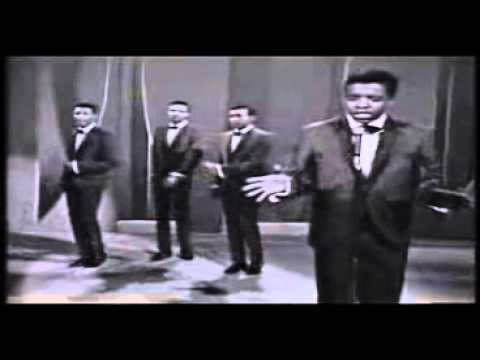

→ More from the 1960s File
View all 1960s hits →




Keep digging