The 1960s File Feature
Shotgun
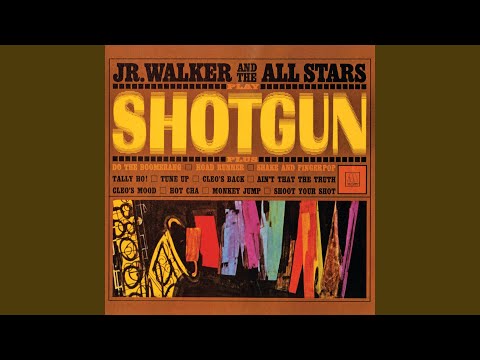
Shotgun by Jr. Walker The All Stars Imagine the Motown machine at full tilt in 1965, churning out polished, sophisticated soul records with assembly-line pre…
01 The Story
"Shotgun" by Jr. Walker & The All Stars
Imagine the Motown machine at full tilt in 1965, churning out polished, sophisticated soul records with assembly-line precision, when suddenly a saxophone blast cuts through the smooth perfection like a gust of raw, untamed energy. That is the jolt this record delivers. It is grittier, sweatier, and more visceral than the label's typical fare, a roadhouse stomp that proved Motown could get down and dirty when it wanted to.
The Raw Edge of the Motown Sound
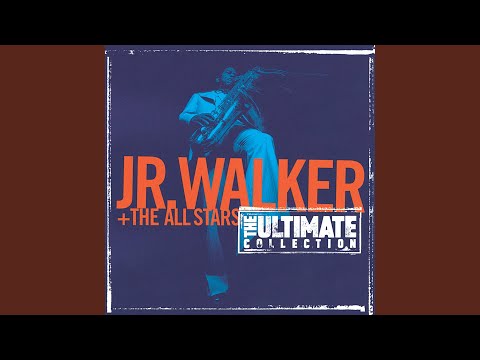
Jr. Walker, born Autry DeWalt Mixon, was a saxophonist and singer whose hard-driving style stood apart from the smoother crooners that defined the Motown roster. Signed to the label's Soul subsidiary, he brought a barroom intensity that traced back to the rhythm and blues of an earlier age. His band, The All Stars, played with a tough, live-wire energy, and this single became their signature, the song that announced a different, rougher shade of the Detroit soul empire to the world.
A Saxophone That Shouts
The record opens with one of the most instantly recognizable saxophone hooks in all of soul music, a wailing, exuberant blast that practically yanks dancers onto the floor. According to the well-documented lore around the recording, Walker had not even planned to sing on it, and the resulting vocal has a spontaneous, shouted quality that perfectly matches the music's wild abandon. The groove is relentless, the horn is everywhere, and the whole thing feels like a party caught on tape rather than a carefully constructed studio creation.
A Climb to the Top Five
The single was a major triumph. It debuted on the Billboard Hot 100 on February 13, 1965, at number 80, then surged up the chart with remarkable speed across the late winter and into spring. It peaked at number 4 during the week of April 3, 1965, cracking the upper echelon of the pop chart, and it enjoyed a healthy fourteen weeks on the Hot 100. On the R&B chart it climbed even higher, reaching the very top, cementing its status as one of the defining dance records of its year.
A Lasting Place in Soul History
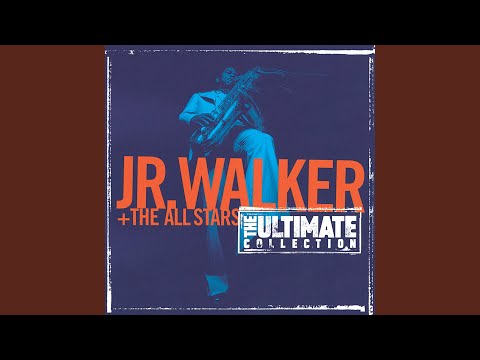
Jr. Walker & The All Stars went on to score further hits through the 1960s and into the 1970s, including the gorgeous ballad "What Does It Take (To Win Your Love)", but this barnstorming single remained their calling card. Its influence echoed through generations of musicians who admired its raw immediacy, and Walker's distinctive saxophone became one of the most imitated sounds in soul. He earned a permanent place among the great instrumentalists of the Motown era, a player whose tone was as recognizable as any singer's voice.
A Different Flavor of Motown
Part of what makes the record so significant is how it expanded the public's idea of what Motown could be. The label under Berry Gordy had built its empire on elegance and crossover polish, on records engineered to glide effortlessly onto pop radio. This single proved the company could also bottle pure, sweaty energy, the kind of roadhouse abandon usually associated with grittier independent labels. It widened the Motown palette and demonstrated the depth of talent on the roster, showing that the Detroit sound had room for raw blues fire alongside its smoother charms.
Why It Still Detonates
Decades on, this record has lost none of its power to electrify a room. Its appeal is primal: a great beat, a screaming horn, and a vocal bursting with joy. There is no irony, no overthinking, just the pure pleasure of music made to move bodies. Press play, brace yourself for that opening sax blast, and let Jr. Walker remind you why this remains one of the most exhilarating dance records soul music ever produced.
"Shotgun" — Jr. Walker & The All Stars' singular moment on the 1960s charts.
02 Song Meaning
The Meaning Behind "Shotgun"
This is a song about dancing, plain and simple, and the irresistible pull of a good beat. The lyric is less a narrative than a call to the floor, an invitation to throw yourself into the music and forget everything else. Its meaning lives in motion, in the communal joy of a packed room moving as one to a groove that refuses to let up.
A Call to the Dance Floor
The words reference a popular dance of the era and urge listeners to get up and do it, to put on their finest and lose themselves in the rhythm. There is little here in the way of deep storytelling, and that is entirely the point. The song's purpose is celebration, a summons to physical release that needs no elaborate justification. The meaning is the movement it inspires.
The Sound of Liberation
Beneath the party atmosphere lies something more resonant. In the mid-1960s, the dance floor was a space of freedom and release, a place where young people could express joy without restraint. This record channels that liberating energy, offering a few minutes of pure escape from the pressures of everyday life. Its exuberance carried a quiet kind of defiance, the insistence on joy in any circumstance, which gave the music a meaning deeper than its simple lyrics suggest.
Raw Feeling Over Polish
What gives the song its emotional weight is its rawness. Where much of the music around it was carefully smoothed and refined, this track revels in its rough edges, in the shouted vocal and the untamed horn. That looseness communicates a sense of genuine feeling, the impression of real people having real fun. Authenticity, more than any lyric, is the song's deepest message.
A Community in Motion
There is also something communal in the song's spirit. The dance it celebrates was a shared ritual, a step everyone on the floor knew and performed together, and that collective dimension matters. A great dance record does not isolate the listener; it binds a room together in common rhythm. This single radiates that sense of togetherness, the joy of being part of a crowd moving as one. In an era of social change and uncertainty, the simple act of dancing side by side carried its own quiet meaning, a reminder that pleasure and connection are their own kind of victory.
Why It Resonated
Audiences embraced it because it delivered unfiltered exhilaration, and exhilaration never goes out of style. Its peak at number 4 on the Hot 100 and its chart-topping run on the R&B listings proved that listeners across audiences craved its energy. The song endures because it taps into a universal truth: sometimes the body needs to move, and the right song makes that need impossible to resist. Its joy is its meaning.
→ More from Jr. Walker & The All Stars
View all Jr. Walker & The All Stars hits →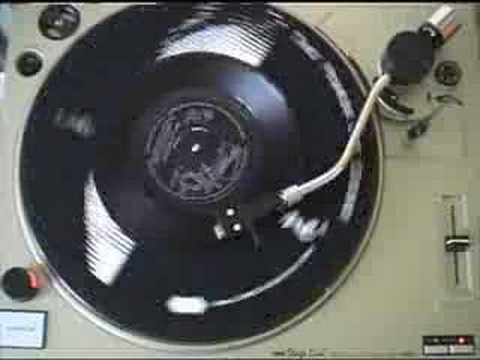
→ More from the 1960s File
View all 1960s hits →




Keep digging