The 1960s File Feature
I'll Be There
"I'll Be There" — Gerry and the Pacemakers and the Mersey Tide Liverpool's Second Wave By late 1964, the British Invasion had already redrawn the map of Amer…
01 The Story
"I'll Be There" — Gerry and the Pacemakers and the Mersey Tide
Liverpool's Second Wave
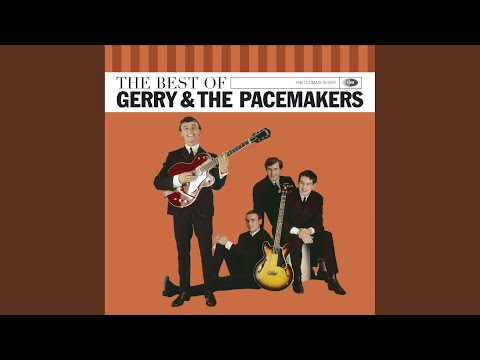
By late 1964, the British Invasion had already redrawn the map of American popular music, and the ripple effects of that seismic shift were still spreading outward in every direction. While the Beatles had claimed the highest peaks of the phenomenon they helped create, their Liverpudlian contemporaries were still navigating the landscape of possibility that had opened in their wake. Gerry and the Pacemakers were not riding coattails; they had established their own claim on the British beat sound well before 1964, but the American market's appetite for Merseyside acts gave them opportunities that would have been unimaginable just two years earlier.
Gerry Marsden and his band had already made pop history in Britain, famously scoring number one with their first three consecutive singles, a record that stood for decades. By the time they turned toward the American market in earnest, they carried the credibility of a genuine hitmaking machine rather than a novelty act hoping to benefit from geography. I'll Be There arrived in this context: a proven British act reaching into the American charts during the height of the Invasion's commercial dominance.
The Record and Its Sound
The track leans into the earnest, devotional register that suited Marsden's voice particularly well. There is a straightforwardness to the performance that distinguishes it from the more arch or ironic modes some British acts were beginning to explore by this point. The production reflects the era's characteristic blend of guitar-forward Mersey beat with enough polish to suit the pop radio format on both sides of the Atlantic. Marsden's delivery carries genuine warmth, and the arrangement supports that quality without overwhelming it, which was the correct creative decision for material of this kind.
The song's construction is efficient and effective: a clear melodic hook, a lyrical premise that translates emotional commitment into direct, unambiguous language, and a performance that sells the sentiment without overselling it. Those qualities placed it squarely in the wheelhouse of what pop radio wanted to offer audiences in late 1964.
Crossing the Atlantic on the Chart
The Billboard Hot 100 tells a clean story of steady progress. I'll Be There debuted at number 81 on December 12, 1964, and climbed through the winter weeks in an unbroken upward arc. By January 30, 1965, it had reached its peak of number 14, spending a total of ten weeks on the chart. That peak position represents genuine Top 20 success on the most competitive popular music chart in the world, achieved during a period when British acts were flooding the market with quality material and American competition was rising to meet them.
Ten weeks on the Hot 100 and a number 14 peak for a track that entered in the 80s demonstrates the kind of organic momentum that comes from consistent radio support and genuine audience enthusiasm rather than promotional manipulation. The chart trajectory is essentially a straight line upward to the peak, which is the pattern radio programmers most liked to see.
The Mersey Context at Its Peak
The period from late 1964 into early 1965 represented something like the mature phase of the British Invasion's first wave. The initial shock of novelty had faded, and what remained was a genuine assessment of which acts had the songwriting, the performance quality, and the commercial instincts to sustain careers beyond a single hit moment. Gerry and the Pacemakers demonstrated they belonged in that sustained category by charting multiple times in the American market with material that stood on its own merits rather than relying purely on the British novelty premium.
The band's ability to move between different emotional registers, from the rousing anthemic quality of their other major hits to the more intimate, reassuring tone of I'll Be There, was part of what gave their catalog its depth and durability.
What Remained
Gerry Marsden's legacy is bound up not just with the pop chart achievements of the mid-1960s but with his long association with the anthem that became inseparable from his adopted hometown. The Pacemakers' place in music history is secure, and tracks like I'll Be There represent the working practice of a genuinely skilled pop act doing exactly what it knew how to do, making music that communicated directly and honestly and found an audience that responded in kind.
Give it a listen and feel the particular warmth of the Mersey beat at its most sincere and unguarded.
"I'll Be There" — Gerry and the Pacemakers' singular moment on the 1960s charts.
02 Song Meaning
"I'll Be There" — Promises, Presence, and the Pop Ballad Tradition
The Promise as Pop Theme
Few themes in popular music are as enduringly powerful as the promise of unconditional presence. Across decades and genres, the pledge to show up, to remain, to be there when needed has fueled countless songs because it touches something fundamental about human connection and the fear of abandonment. I'll Be There by Gerry and the Pacemakers draws from this deep well with directness and sincerity, placing the pledge at the center of everything the song does. The emotional simplicity of the commitment is the track's greatest strength, communicating something complex about loyalty and devotion through language stripped down to its most essential form.
Reassurance in an Anxious Moment
The mid-1960s were a period of considerable cultural anxiety in both Britain and America. The optimism of the early post-war years was giving way to social tensions that would define the remainder of the decade, and audiences responded strongly to music that offered comfort rather than challenge. This is not to suggest that I'll Be There is merely escapist; the theme of steadfast presence has genuine philosophical weight. The desire for someone who will remain constant amid change is as legitimate an emotional need as any the decade was processing, and Gerry Marsden's performance communicates that need with complete conviction.
The track arrived at a moment when pop music was beginning to expand its emotional vocabulary, and material that spoke to fundamental human needs without irony or deflection still found enormous audiences. Marsden's sincerity was not naive; it was a deliberate artistic choice that connected directly with listeners who valued authenticity over sophistication.
The British Beat Sensibility
The Mersey beat sound that Gerry and the Pacemakers helped define brought a particular quality to pop music: an energy that was youthful and forward-moving without sacrificing emotional directness. The British beat groups of this period understood how to make a promise feel urgent, how to give familiar sentiments a freshness of delivery that made them feel newly discovered rather than inherited. The production aesthetic of the era, guitar-led and rhythmically insistent, served this purpose well, keeping the emotional content from tipping into sentimentality even when the subject matter invited it.
Cross-Cultural Resonance
Part of what allowed I'll Be There to cross cultural boundaries and find a genuine American audience was the universality of its emotional core. The specifics of Merseyside culture, the accent, the references, the particular flavor of British youth culture, were present in the performance but did not block access to the song's central meaning. The desire to be reassured, to know that someone will show up, transcends geography and era. American listeners in late 1964 responded to that universal theme exactly as their British counterparts had, finding in the song a piece of music that spoke to something they recognized.
The track's modest but genuine chart success in America during the most competitive period of British Invasion market saturation confirms that quality and emotional directness were what ultimately determined which records broke through and which ones faded quickly. A Top 20 placement at number 14 during that period was earned on merit.
"I'll Be There" — Gerry and the Pacemakers' singular moment on the 1960s charts.
→ More from Gerry And The Pacemakers
View all Gerry And The Pacemakers hits →
→ More from the 1960s File
View all 1960s hits →




Keep digging