The 1960s File Feature
Don't Let The Sun Catch You Crying
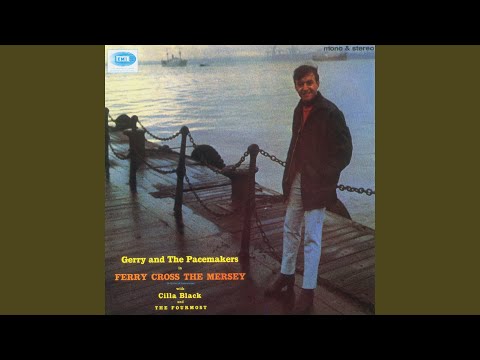
Don't Let The Sun Catch You Crying by Gerry And The Pacemakers When the British Invasion swept across America in 1964, it brought more than just the most fam…
01 The Story
"Don't Let The Sun Catch You Crying" by Gerry And The Pacemakers
When the British Invasion swept across America in 1964, it brought more than just the most famous band in the world. A whole wave of Liverpool and Manchester groups rode that tide across the Atlantic, and among the most successful was a cheerful, harmony-rich outfit from the same Merseyside scene that had produced the era's biggest stars. With this tender ballad, Gerry And The Pacemakers proved that the British Invasion was not all driving beat and youthful energy, that it could also deliver a gentle, heartfelt song of comfort and consolation.
Merseyside's Other Favorites
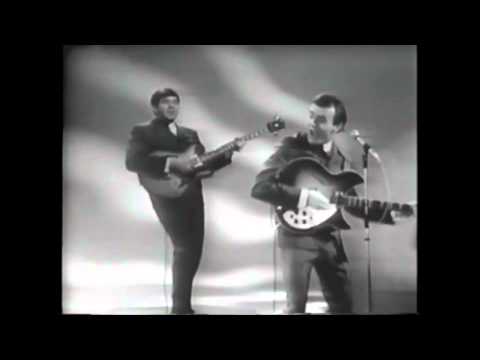
Gerry And The Pacemakers emerged from the very same Liverpool scene that birthed the decade's most celebrated band, sharing a manager and a hometown with their more famous peers. Led by the warm, engaging voice of Gerry Marsden, the group had already scored a remarkable run of hits in their native Britain, becoming one of the most beloved acts of the Merseybeat boom. As American audiences hungrily embraced everything coming out of Britain in 1964, the Pacemakers found a receptive market across the ocean, their blend of catchy songs and genuine charm making them natural ambassadors of the new sound.
A Tender Ballad of Reassurance
This song stands apart from the upbeat numbers that defined much of the Merseybeat sound, offering instead a gentle, consoling ballad. The song was written by Gerry Marsden along with his collaborators, and it carries a warmth and sincerity that became one of the group's signatures. The arrangement is soft and embracing, built around Marsden's earnest vocal and a melody designed to soothe. Its message is one of comfort, urging a brokenhearted listener not to dwell in sorrow. The result is a ballad of real emotional generosity, the kind of song that wraps an arm around the listener and offers quiet reassurance.
A Strong American Showing
The single performed impressively on the Billboard Hot 100, riding the wave of British Invasion enthusiasm. It debuted at number 87 on May 23, 1964, and surged up the chart with the momentum that British acts enjoyed that year. The song reached its peak position of number 4 on July 4, 1964, breaking into the top five, and altogether it spent 12 weeks on the Hot 100. That top five placement confirmed the group's appeal to American audiences and demonstrated that the British Invasion's success extended well beyond its most famous names. For a gentle ballad, cracking the top five was a notable triumph in a chart full of energetic beat music.
A Lasting Piece of the Invasion
The song endures as one of the most beloved ballads of the British Invasion, a gentle counterpoint to the era's more energetic offerings. Gerry Marsden and his group hold a permanent place in the story of that remarkable musical moment, remembered fondly for their warmth and their gift for melody. The video has gathered around 796,000 YouTube views, keeping this tender classic alive for listeners exploring the rich landscape of 1960s British pop. It remains a touching reminder of the era's softer, more consoling side.
Beyond the Beat Boom
This ballad reveals an important truth about the British Invasion that is sometimes forgotten. The movement is often remembered purely for its energy and its driving beat, but the most successful British acts of the era were versatile, capable of delivering tender ballads as readily as up-tempo rockers. Gerry And The Pacemakers demonstrated that range, proving that British groups could move American audiences with gentleness as well as excitement. This emotional flexibility was part of what made the invasion so durable, allowing these acts to score hits across a wide range of moods and styles. The song's success showed that American listeners were not just responding to novelty or energy but to genuine songcraft and feeling. Marsden and his bandmates earned their place in that landmark moment precisely because they could do more than one thing well, balancing the era's exuberance with moments of real tenderness.
Press Play
Let Gerry Marsden's warm, earnest voice and this gentle melody offer their quiet comfort. It is a song built to console, and it still works its soothing magic all these years later.
"Don't Let The Sun Catch You Crying" — Gerry And The Pacemakers' singular moment on the 1960s charts.
02 Song Meaning
The Meaning Behind "Don't Let The Sun Catch You Crying"
This is a song of consolation, a gentle message of comfort offered to someone nursing a broken heart. Its central idea is one of hope and resilience: that sorrow, however deep, will eventually pass, and that a new day brings the chance to move beyond pain. The song wraps that reassuring message in a warm, soothing melody, making it feel like advice from a caring friend.
Comfort for the Brokenhearted
The heart of the song is its consoling intent. The narrator urges the heartbroken listener not to spend their days lost in tears, gently encouraging them to look toward better times ahead. There is real tenderness in this message, a desire to ease another person's suffering. The song does not dismiss the pain of lost love but offers perspective, reminding the listener that grief need not be permanent. It is the voice of compassion, reaching out to someone in their darkest moment.
The Promise of a New Day
Central to the song's meaning is the image of the sun and the passage of time. The lyric suggests that a new dawn will bring renewal and the possibility of moving on, using the natural cycle of day and night as a metaphor for emotional recovery. Just as the sun rises again, so too will the heart heal. That hopeful imagery gives the song its uplifting quality, framing heartbreak as a passing season rather than a permanent condition.
Resilience Through Heartbreak
Beneath the comfort runs a message about resilience. The song believes in the heart's capacity to recover and love again, even after disappointment. It does not promise that pain will vanish instantly, only that it will not last forever and that brighter days genuinely lie ahead. This faith in recovery is what gives the song its enduring warmth, an assurance that the human spirit can endure heartbreak and emerge whole on the other side.
Why It Resonated
The song connected because everyone, at some point, needs the comfort it offers. Heartbreak is universal, and so is the need for reassurance that it will pass. The song speaks directly to that need with gentleness and sincerity, offering exactly the kind of consolation a grieving heart craves. Its warm melody and tender message made it a balm for listeners, which is why it has remained beloved across the decades.
The Voice of a Caring Friend
What gives the song its special warmth is the perspective from which it speaks. This is not the voice of the heartbroken person but of someone watching them suffer and longing to help. That shift in viewpoint makes the song an act of compassion, the words of a friend or loved one offering comfort rather than a lament from within the pain. There is something deeply moving about that stance, the willingness to reach out to another in their grief and offer hope. It transforms the song from a simple sad ballad into a gesture of kindness, a hand extended to someone in darkness. That quality of care, of one person tending to another's wounded heart, is part of why the song feels so embracing and why listeners return to it when they need consolation.
In the end, the song endures because it offers something we all need to hear in our lowest moments: that the sun will rise again and the heart will heal. Few songs deliver that comfort so gently or so well.
→ More from Gerry And The Pacemakers
View all Gerry And The Pacemakers hits →


→ More from the 1960s File
View all 1960s hits →




Keep digging