The 1960s File Feature
How Do You Do It?
Gerry and the Pacemakers Bring Mersey Cheer on How Do You Do It? Imagine Liverpool in the early 1960s, a port city buzzing with young bands, sweaty cellar cl…
01 The Story
Gerry and the Pacemakers Bring Mersey Cheer on "How Do You Do It?"
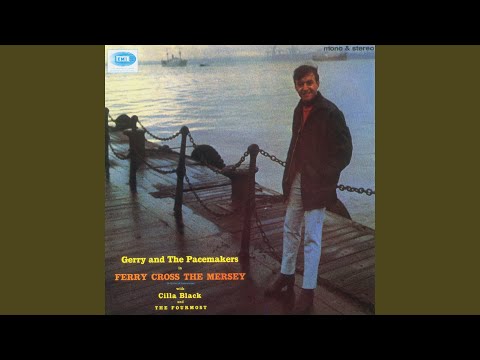
Imagine Liverpool in the early 1960s, a port city buzzing with young bands, sweaty cellar clubs, and the irresistible sound that would soon conquer the world. Out of that fertile Merseybeat scene came Gerry and the Pacemakers, one of the most successful groups of the British Invasion's first wave. "How Do You Do It?" is a sparkling slice of that era's optimism, a bouncy, grinning pop song that helped carry the Mersey sound across the Atlantic to American ears.
Liverpool's Other Great Export
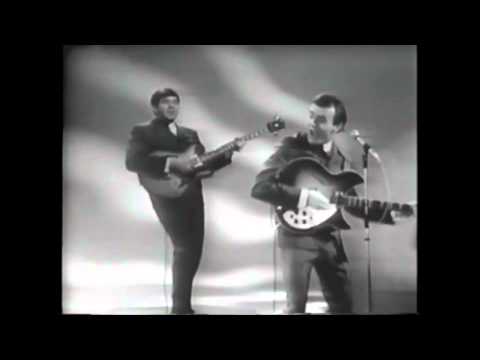
Gerry and the Pacemakers, led by the affable Gerry Marsden, were managed by Brian Epstein and produced by George Martin, the same team behind their more famous Liverpool neighbors. They made history in their homeland as the first act to send their first three singles to the top of the British charts, an extraordinary feat. As the British Invasion swept across the United States in 1964, their records followed, introducing American audiences to the cheerful, melodic Merseybeat sound that was suddenly the most exciting thing in pop. Marsden's voice carried a particular warmth, an unguarded friendliness that made the band feel approachable even amid the frenzy of the invasion. They were not the loudest or the most rebellious of the Liverpool groups, but they had charm to spare and a sure instinct for a catchy tune. That likable quality helped them find a devoted American following during a year when British accents and chiming guitars could hardly miss.
A Burst of Pure Pop Sunshine
The song is irresistibly upbeat, built on a jaunty melody, chiming guitars, and Marsden's warm, friendly vocal. There is an innocent joy to it, the sound of young men delighted to be making music and falling in love. The arrangement is bright and uncomplicated, a perfect distillation of early-1960s pop optimism. It captures the giddy wonder of new romance, the narrator marveling at the inexplicable spell a sweetheart has cast over him. Few records sound quite so happy to exist. The whole performance moves with a light, dancing step, the rhythm section keeping things brisk while the guitars sparkle on top. There is no shadow in it, no complication, only the uncomplicated thrill of a young man delighted by love. That purity of mood is precisely what made early Merseybeat so infectious, and this single delivers it in its most concentrated form.
A Top Ten Hit in America
The single entered the Billboard Hot 100 on July 11, 1964, at number 85 and climbed steadily, advancing to 63, then 53, 43, and 21 in its early weeks. It reached a peak of number 9 during the week of September 5, 1964, breaking into the American top ten and confirming the band's transatlantic appeal. The song spent 11 weeks on the chart, riding the enormous wave of enthusiasm for British groups that defined American pop that year.
Part of the Invasion's Vanguard
This record belongs to the thrilling first flush of the British Invasion, when American teenagers couldn't get enough of the bands pouring out of England. Gerry and the Pacemakers were near the front of that charge, and their success helped open American doors for the entire Merseybeat movement. While the group would later be remembered most for a beloved emotional ballad, this cheerful single captures the buoyant energy that made them stars in the first place.
Why It Still Brightens the Day
The sheer good cheer of this record is timeless. It bottles the optimism of a moment when pop music felt brand new and full of possibility. Put it on, let that jaunty melody bounce along, and feel the irrepressible joy of the Mersey sound at its sunniest. Press play and grin along.
"How Do You Do It?" — Gerry and the Pacemakers' singular moment on the 1960s charts.
02 Song Meaning
What "How Do You Do It?" Is Really About
This is a song about the bewildering, delightful mystery of falling in love. The narrator finds himself helplessly smitten and genuinely puzzled by it, asking how his sweetheart manages to cast such a spell over him. The question in the title is half wonder and half surrender, the sound of someone happily losing control of his own heart.
The Mystery of Attraction
The central theme is the inexplicable power of love. Love that defies explanation drives the entire lyric, the narrator marveling that he cannot understand why he feels the way he does. There is something charmingly honest in this confusion, the admission that attraction often makes no logical sense and simply takes hold of a person whether they understand it or not. The narrator does not try to dissect his feelings or rationalize them. He simply throws up his hands in happy bewilderment, content to be mystified by the force that has overtaken him. That refusal to overthink love gives the song its breezy, irresistible appeal.
Joyful Surrender
Rather than resisting this mysterious pull, the narrator gives himself over to it gladly. Happy helplessness in love defines his mood, a willingness to be swept away that feels purely celebratory. The song does not treat lost control as something to fear. Instead it revels in the thrill of being captivated, the giddy pleasure of falling without wanting to stop.
Innocence and Optimism
The emotional register is one of wide-eyed innocence, the uncomplicated romance of early-1960s pop. Youthful, hopeful romance radiates from every line, free of cynicism or complication. This is love at its most optimistic, untroubled by the doubts and heartaches that darker songs explore. It is the pop equivalent of a first crush, all butterflies and bright possibility.
A Reflection of Its Moment
The early Merseybeat sound thrived on exactly this kind of cheerful, melodic optimism, a youthful energy that felt fresh and liberating. The song reflected a cultural moment bursting with possibility, when a new generation of bands was making pop feel exciting again. Its innocent joy captured the spirit of an era falling in love with a brand new sound.
Why It Resonated
Listeners embraced the song because its wonder felt genuine and contagious. Everyone recognizes the bewilderment of being smitten, and the song expresses it with such warmth that resistance is futile. The enduring appeal of "How Do You Do It?" lies in that infectious happiness, a perfect little portrait of love's sweetest and most baffling early days. In a catalog that would later include far more emotionally weighty material, this single endures as a snapshot of pure delight. It asks nothing of the listener beyond the willingness to smile, and that openhearted simplicity is exactly why it has kept its charm across the decades since it first lit up the airwaves.
→ More from Gerry And The Pacemakers
View all Gerry And The Pacemakers hits →


→ More from the 1960s File
View all 1960s hits →




Keep digging