The 1960s File Feature
You Threw A Lucky Punch
You Threw A Lucky Punch: Gene Chandler's 1962 Holiday Season Hit The holiday season of 1962 was a particularly fertile moment for Chicago soul on the nationa…
01 The Story
You Threw A Lucky Punch: Gene Chandler's 1962 Holiday Season Hit
The holiday season of 1962 was a particularly fertile moment for Chicago soul on the national charts. The city's music scene, centered on independent labels including Vee-Jay and Chess, was producing a stream of records that found audiences across the country through the aggressive radio promotion that characterized these labels' approach. Gene Chandler, fresh off the extraordinary success of “Duke of Earl” earlier that year, was trying to sustain the momentum of one of 1962's biggest hits with a follow-up that demonstrated range and commercial viability beyond his breakthrough.
Gene Chandler After “Duke of Earl”
“Duke of Earl” had been one of the more unlikely pop music phenomena of early 1962: a record with a walking bass line and a hook so simple it seemed almost childlike, and yet it had hit number one on the Billboard Hot 100 and established Gene Chandler as a genuine pop star. The challenge that followed a breakthrough of that magnitude was significant: how do you follow a record that was simultaneously very good and very unique, without either repeating yourself too obviously or departing so completely from the original appeal that your audience doesn't follow?
Eight Weeks, Peak of Forty-Nine
“You Threw A Lucky Punch” entered the Billboard Hot 100 on November 24, 1962, at number 69. The ascent over the following weeks was steady: 69, 60, 57, 52, before reaching its peak of number 49 on December 22, 1962. Eight weeks on the chart and a top-50 peak was a solid showing for a follow-up to a number one hit, demonstrating that Chandler's commercial appeal extended beyond the specific novelty of “Duke of Earl” to something more durable in his voice and his presentation.
The Chicago Soul Sound
Chandler's recordings in this period were characteristic of the Chicago soul approach that Vee-Jay Records specialized in: gospel-inflected vocals over rhythm and blues arrangements that drew from both the Southern blues tradition and the more polished pop sensibility that Northern labels were developing. The sound was harder-edged than the simultaneously developing Motown approach, with a rawer connection to the blues heritage and a less polished production aesthetic, but it was also capable of generating genuine crossover pop appeal when the material was right.
The Boxing Metaphor and Its Romantic Application
The title “You Threw A Lucky Punch” placed the song in the tradition of romantic songs that use sports or combat metaphors to describe the impact of love. The boxing metaphor was particularly effective in this context because it implied both competition and impact: you threw a punch, which suggests that there was a contest, and it was lucky, which suggests that the outcome was not inevitable. Applied to romantic experience, the metaphor captured the accidental quality of falling in love, the sense that the connection might easily not have happened, that its occurrence was a matter of timing and circumstance as much as of intention.
The Legacy of the Chicago Soul Scene
Gene Chandler's work in the early 1960s was part of the larger Chicago soul contribution to American popular music, a body of work that established the city as a major center of the post-World War II Black popular music tradition alongside Detroit and Philadelphia. “You Threw A Lucky Punch” belongs to this larger story, a piece of evidence for the commercial viability and artistic integrity of the Chicago soul approach at one of its most commercially productive moments. Press play and hear Chicago in the Christmas season of 1962, when soul music was still finding its commercial footing and every hit felt like a discovery.
Gene Chandler's Post-“Duke of Earl” Commercial Identity
The long-term significance of “You Threw A Lucky Punch” was what it revealed about Gene Chandler's commercial viability beyond the specific phenomenon of “Duke of Earl.” A number one hit could be a fluke or could be evidence of genuine commercial appeal; the follow-up record was the test. The eight weeks and top-50 peak of “You Threw A Lucky Punch” confirmed that Chandler had real commercial staying power, that audiences were willing to follow him into material that had nothing to do with the novelty of his breakthrough. That confirmation would sustain his recording career through the 1960s and into a second commercial peak in the disco era, with “Get Down” in 1978 demonstrating that his appeal had genuine longevity across the full arc of his career.
“You Threw A Lucky Punch” - Gene Chandler's singular moment on the 1960s charts.
02 Song Meaning
Luck, Love, and Vulnerability: Unpacking “You Threw A Lucky Punch”
The phrase “lucky punch” carries specific cultural meaning in the American context. A lucky punch is not a skilled punch; it is one that lands more through chance than through the puncher's ability or intention. In competitive contexts, a lucky punch is a way of winning while simultaneously undermining the legitimacy of the victory: you got lucky. Applied to romantic feeling, this phrase creates a complex emotional situation in which the singer has been successfully struck by love but wants to qualify that success as contingent rather than deserved.
The Qualified Surrender
Describing the beloved's romantic success as the result of a lucky punch is a way of surrendering while maintaining dignity. The singer is admitting that they have been emotionally affected, that the punch landed and had its effect, while simultaneously suggesting that the outcome could easily have been different under different circumstances. This qualified surrender is psychologically sophisticated: it acknowledges the reality of romantic impact without fully conceding the romantic competition that the boxing metaphor implies is ongoing.
Chandler's Vocal Approach to Emotional Complexity
Gene Chandler's voice in 1962 had a quality that was well suited to emotional ambivalence: warm and expressive, but capable of the kind of subtle tonal variations that communicated conflicted feeling without resolving into simple happiness or simple pain. The lucky punch scenario required a vocalist who could communicate simultaneous grudging acknowledgment and genuine romantic feeling, and Chandler had the range and the instinct to navigate that combination with credibility.
The History of the Boxing Metaphor in Soul
The boxing metaphor for romantic combat has a long history in American soul and rhythm and blues. Love as a fight, as a contest with a winner and a loser, as something that requires both strength and strategy, was a recurring figure in the tradition from which Chandler drew. This metaphor carried gendered implications that were complicated: in the early 1960s pop context, the male singer who had been “punched” by a woman was acknowledging a kind of female power over him that was simultaneously flattering to the beloved and slightly threatening to conventional gender dynamics. The “lucky” qualification softened this dynamic, suggesting that the singer's vulnerability was contingent rather than fundamental.
The Role of Chance in Romance
The emphasis on luck in the title is itself a philosophical position about how romantic connections occur. If the punch was lucky, it was not inevitable; the connection between these two people was not written in advance but occurred through a specific combination of circumstances that might have been otherwise. This acknowledgment of chance in romantic encounter is both more honest than the fated-love mythology that pop music often presents and more interesting, because it implies that the specific, contingent character of this particular encounter is part of what makes it valuable.
What the Lucky Punch Achieves
The ultimate achievement of “You Threw A Lucky Punch” as a romantic statement is its honesty about the mixture of feelings that romantic impact produces. You have gotten to me; I am not entirely happy about it; I acknowledge it anyway; and somewhere in the acknowledgment there is genuine appreciation for the experience of being affected, even if the affect was not entirely welcome. That combination of resistance and surrender, of pride and vulnerability, of reluctant admission and genuine feeling, is one of the more accurate portraits of what it actually feels like to fall in love against your better judgment. The lucky punch landed, and here we are.
→ More from Gene Chandler
View all Gene Chandler hits →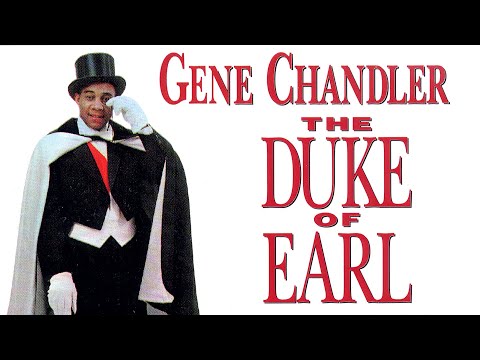
→ More from the 1960s File
View all 1960s hits →




Keep digging