The 1960s File Feature
You Can't Hurt Me No More
You Can't Hurt Me No More by Gene Chandler There's something undeniably affecting about a soul singer declaring his independence from heartbreak, and few voi…
01 The Story
"You Can't Hurt Me No More" by Gene Chandler
There's something undeniably affecting about a soul singer declaring his independence from heartbreak, and few voices conveyed that mix of hurt and resolve as smoothly as Gene Chandler's. As 1965 unfolded amid the golden age of Chicago soul, Chandler delivered "You Can't Hurt Me No More," a polished and emotive single from one of the era's most reliable soul men. The song found him channeling romantic pain into a statement of strength, the kind of sophisticated soul that defined his work and the Chicago sound he helped shape.
The Duke of Earl
Gene Chandler was already a well-established soul star by 1965. He had first found fame at the start of the decade with an enormous hit that earned him a lasting nickname and a permanent place in pop history. His breakthrough single "Duke of Earl" had topped the charts, making him a household name. Rather than fading as a one-hit act, Chandler built a substantial career as a smooth, versatile soul singer, becoming a key figure in the vibrant Chicago soul scene. His voice was warm and expressive, equally at home with romantic ballads and groove-driven soul. By the mid-1960s he was a respected veteran, and "You Can't Hurt Me No More" showcased the polished, emotive style that kept him relevant throughout the decade.
A Polished Soul Single
"You Can't Hurt Me No More" embodies the smooth, sophisticated soul that flourished in Chicago during the 1960s. The arrangement is warm and melodic, foregrounding Chandler's expressive vocal as he delivers a message of romantic resilience. The production carries the polished, soulful sheen typical of the city's celebrated soul scene, balancing emotional depth with accessible melody. Chandler brings genuine feeling to the performance, conveying both the lingering hurt of past heartbreak and the hard-won strength of someone who has moved beyond it. It is soul music that pairs vulnerability with resolve, a characteristic blend that made Chandler such an appealing and enduring artist on the soul scene.
A Brief Chart Appearance
The single made only a fleeting visit to the pop chart. "You Can't Hurt Me No More" debuted and peaked on the Billboard Hot 100 on March 6, 1965 at number 92. It spent a single week on the Hot 100 before slipping away. While its pop chart showing was brief, Chandler's music consistently found a warmer home on the R&B chart and among soul audiences, who valued his smooth, expressive style. The song added to his steady output during the decade, a period when he remained a reliable and respected figure in the soul world, far more than the one-hit star his early fame might have suggested.
Part of a Soul Legacy
This single belongs to the broad catalog of one of Chicago soul's most enduring figures. Chandler would continue recording and performing for decades, building a legacy as a versatile and dependable soul artist. "You Can't Hurt Me No More" captures the polished, emotive style that defined his work, a fine example of the sophisticated Chicago soul he helped popularize. For fans of 1960s soul, the song offers a glimpse of an artist who outlasted his early fame to become a genuine fixture of the genre, respected for his smooth voice and his consistent craft.
Why It Still Connects
Heard today, "You Can't Hurt Me No More" remains a polished, emotive soul gem, Chandler's warm voice as appealing as ever. The melody is smooth, the sentiment resilient, the performance heartfelt. Press play and let this slice of classic Chicago soul carry you back to the genre's golden age, and you'll understand why Gene Chandler remained so respected. His ability to outlast his early fame and build a real, lasting career speaks to genuine artistry beyond a single hit. It is sophisticated soul that turns heartbreak into strength.
"You Can't Hurt Me No More" — Gene Chandler's singular moment on the 1960s charts.
02 Song Meaning
The Meaning Behind "You Can't Hurt Me No More"
"You Can't Hurt Me No More" is a declaration of emotional independence and resilience in the wake of heartbreak. The narrator addresses someone who once had the power to wound him, asserting that those days are over and that he has finally moved beyond their reach. It is a song about reclaiming one's strength after pain, the empowering moment when you realize you are no longer vulnerable to someone who hurt you.
Reclaiming Your Strength
The central theme is the recovery of emotional strength after heartbreak. The narrator declares that the person who once caused him pain no longer holds that power over him. The title is a statement of liberation, a declaration that he has healed and moved on. It captures the empowering shift from being hurt to being free, the moment of realizing that someone's ability to wound you has finally faded.
Resolve Over Sorrow
While the song acknowledges past pain, its emotional register is one of resolve rather than ongoing sorrow. The narrator is not pleading or grieving; he is standing firm in his newfound independence. The message is one of self-respect and recovery, the quiet triumph of having survived heartbreak and emerged stronger. That blend of lingering memory and hard-won strength gives the song its emotional depth and its empowering appeal.
Soul and Emotional Truth
Culturally, the song reflects soul music's long tradition of expressing emotional truth with depth and dignity. The genre has always given voice to both heartbreak and resilience, and this song fits squarely within that lineage. It speaks to the universal experience of recovering from a painful relationship, offering a model of strength and self-respect that resonated with soul audiences and beyond.
Why It Resonated
The song connected because its message of emotional recovery is both relatable and empowering. Nearly everyone has longed to reach the point where an old hurt no longer holds power over them, and the song captures that liberating moment with feeling. Chandler's warm, expressive voice made the resolve feel genuine and earned. It endures as a statement of resilience after heartbreak, a reminder that healing is possible and that reclaiming your strength from someone who hurt you is one of life's quiet but profound victories. There is real power in the moment of realizing that an old wound has finally closed, that the person who once held sway over your heart no longer does. Chandler captures that liberating turn with smooth assurance, making recovery sound not like a struggle but like a hard-won homecoming to yourself, the quiet triumph of a heart that has finally healed and learned to stand on its own again.
→ More from Gene Chandler
View all Gene Chandler hits →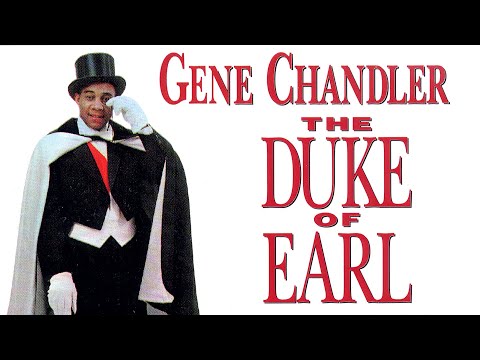

→ More from the 1960s File
View all 1960s hits →




Keep digging