The 1960s File Feature
The Last Word In Lonesome Is Me
The Last Word In Lonesome Is Me by Eddy Arnold Picture the lush, sophisticated country-pop of the mid-1960s, when smooth orchestration met heartfelt country …
01 The Story
"The Last Word In Lonesome Is Me" by Eddy Arnold
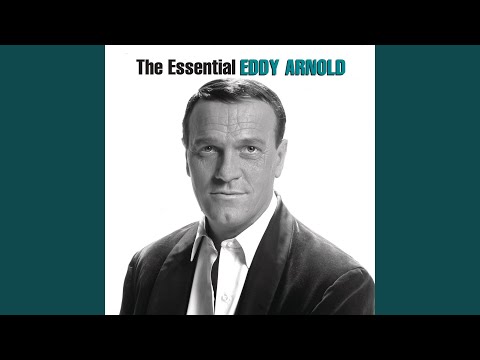
Picture the lush, sophisticated country-pop of the mid-1960s, when smooth orchestration met heartfelt country sentiment and crossover stars ruled both the country and pop charts. Eddy Arnold was one of the towering figures of that world, a legendary country singer whose warm voice and polished style made him a beloved star for decades. "The Last Word In Lonesome Is Me" showcased his gift for tender, emotionally resonant balladry, a graceful country-pop hit that crossed over to the pop charts.
A Country Music Legend
By 1966, Eddy Arnold was already one of the most successful and enduring stars in country music history. He had spent decades as a beloved figure, known for his warm, smooth voice and his pioneering role in bringing country music to mainstream audiences. Arnold helped define the sophisticated countrypolitan style, blending country sentiment with polished, pop-friendly production. "The Last Word In Lonesome Is Me" came during a successful late-career period, demonstrating his continued ability to craft tender, appealing ballads that resonated across both country and pop audiences.
The Sound Of Countrypolitan Tenderness
The single embodies the smooth, sophisticated country-pop style Arnold helped pioneer. It wraps his warm, gentle vocal in lush, polished orchestration, creating a tender and emotionally resonant ballad. The arrangement carries the elegant production that defined countrypolitan music, designed for broad appeal while preserving genuine country feeling. Arnold delivers the lyric with heartfelt sincerity, his smooth voice conveying the ache of loneliness with grace and warmth. The song showcases the refined, accessible style that made him a crossover star.
A Solid Chart Showing
The single performed respectably on the pop charts. "The Last Word In Lonesome Is Me" debuted on the Billboard Hot 100 on May 14, 1966 at number 82 and climbed steadily through the late spring. The song peaked at number 40 during the week of June 18, 1966 and spent a total of seven weeks on the Hot 100. That solid showing reflected Arnold's enduring crossover appeal, demonstrating that his tender countrypolitan ballads could still find a meaningful audience on the pop charts in the mid-sixties.
Part Of A Legendary Career
"The Last Word In Lonesome Is Me" belongs to the rich catalog of one of country music's most beloved and successful artists. Eddy Arnold's influence on country music was immense, and his smooth, accessible style helped bring the genre to mainstream audiences. This single exemplifies the tender, polished balladry that defined his crossover appeal. For fans of country-pop and of Arnold's storied career, the song offers a lovely example of his warm voice and his gift for emotionally resonant ballads that touched listeners across genres.
The Countrypolitan Bridge
Eddy Arnold's career was significant for the way it helped bridge country music and the pop mainstream. He was a pioneer of the countrypolitan style, which smoothed country music's rougher edges with lush orchestration and polished production to reach broader audiences. This approach was sometimes controversial among country purists, but it played a crucial role in expanding the genre's appeal and bringing country sentiment to listeners who might never have embraced traditional honky-tonk. Arnold's warm, smooth voice was perfectly suited to this crossover style, and his success demonstrated that country music could thrive on the pop charts. "The Last Word In Lonesome Is Me" exemplifies this bridge, a country ballad polished for mainstream appeal yet retaining genuine country feeling. Arnold's pioneering work in this style influenced the direction of country music for decades, helping to establish the crossover tradition that would shape the genre's commercial future. His ability to reach across musical boundaries made him one of the most important figures in country music history.
Why It Still Moves
The song retains its tender, heartfelt charm, a graceful example of mid-sixties countrypolitan balladry. It carries the warm voice and emotional sincerity that made Eddy Arnold so beloved. Press play and let his smooth, gentle delivery and that lush arrangement draw you in. It is a moving reminder of why Arnold remains one of the most cherished figures in the history of country music, an artist of genuine warmth and grace.
"The Last Word In Lonesome Is Me" — Eddy Arnold's singular moment on the 1960s charts.
02 Song Meaning
The Meaning Behind "The Last Word In Lonesome Is Me"
The clever title of "The Last Word In Lonesome Is Me" reveals the song's heart: a tender meditation on loneliness and heartbreak. Its meaning centers on the profound ache of being left alone, expressed through a memorable play on words.
The Depths Of Loneliness
The central theme is the pain of profound loneliness. The clever title suggests that the singer is the very definition of lonesome, the ultimate embodiment of being alone. That wordplay captures the depth of the singer's heartache, framing loneliness as something he has come to know completely. The song dwells in that sorrow, giving voice to the ache of solitude and the emptiness left behind by lost love.
Heartbreak And Loss
Running through the song is the pain of romantic loss. The loneliness the singer describes stems from the absence of a loved one, the heartbreak of being left behind. That sense of loss deepens the song's melancholy, connecting the experience of solitude to the specific pain of a relationship's end. The song captures the lingering ache that follows heartbreak, the way loneliness can feel all-consuming after love is gone.
Tenderness In Sorrow
The song's gentle, polished delivery lends its sorrow a tender quality. Rather than wallowing in despair, the song expresses loneliness with grace and warmth, finding a kind of dignity in heartache. Arnold's smooth, sincere vocal treats the pain with sensitivity, making the song's sadness feel intimate and relatable rather than overwhelming. That tenderness is central to its appeal, turning loneliness into something gently moving.
The Power Of Clever Wordplay
The song's memorable title demonstrates how clever wordplay can deepen and sharpen an emotional message. By playing on the word "lonesome" and finding the singer's identity in its final letters, the title turns abstract loneliness into something vivid and personal. This kind of lyrical cleverness was a hallmark of fine country songwriting, which often used wit and wordplay to make emotional truths more memorable and affecting. Rather than diminishing the song's sincerity, the clever turn of phrase actually intensifies it, giving the loneliness a precise and unforgettable expression. The wordplay becomes a way of capturing the totality of the singer's sorrow, suggesting that he embodies loneliness completely. That combination of cleverness and genuine feeling reflects the craft of country songwriting at its best, where wit serves emotion rather than undercutting it. The memorable title ensures the song lingers in the mind, its heartache made all the more poignant by the cleverness with which it is expressed.
Why It Resonates
The song connects because loneliness and heartbreak are universal experiences. Nearly everyone has known the ache of being left alone, and the song gives that feeling memorable, tender voice. Its clever wordplay makes the sentiment stick in the memory, while Arnold's warm delivery makes it deeply relatable. The song offers a gentle, graceful expression of sorrow that listeners can recognize in their own lives, which is why it resonated across both country and pop audiences.
→ More from Eddy Arnold
View all Eddy Arnold hits →
→ More from the 1960s File
View all 1960s hits →




Keep digging