The 1960s File Feature
Misty Blue
The Tender Crooning of Misty Blue by Eddy Arnold Travel to 1967, when the smooth, orchestrated countrypolitan sound was bringing country music to a broad pop…
01 The Story
The Tender Crooning of "Misty Blue" by Eddy Arnold
Travel to 1967, when the smooth, orchestrated countrypolitan sound was bringing country music to a broad pop audience, and one of the genre's most beloved voices was at the height of his crossover appeal. Eddy Arnold, a country legend known for his warm baritone and gentle delivery, recorded this aching ballad of lost love. His version became part of his celebrated run of sophisticated country hits, a tender meditation on heartbreak wrapped in lush, elegant arrangement.
A Country Legend's Crossover Era
By 1967, Eddy Arnold had long been one of the most successful and beloved figures in country music, with a career stretching back decades. In the 1960s he embraced a smoother, more orchestrated countrypolitan sound, trading rougher honky-tonk textures for lush strings and sophisticated production. That reinvention brought him enormous crossover success, introducing his warm voice to pop audiences. This single came during that fertile period, showcasing the elegant, accessible style that made him a star across multiple genres and generations.
An Aching Ballad of Heartbreak
The song is a tender, melancholy ballad, built around Arnold's warm, expressive baritone and a lush orchestral arrangement. It evokes the lingering sadness of a love that has faded, the blue mood that settles in when memories of a lost romance return. Arnold delivers the lyric with gentle sincerity, letting the ache of the song breathe. The smooth, sophisticated production frames his voice beautifully, creating a mood of elegant, wistful sorrow. It is a graceful expression of heartbreak. Arnold understood that restraint could be more powerful than melodrama, and he sings the song with a controlled emotion that lets the sadness emerge naturally. The result is heartbreak rendered with dignity, the sound of a master vocalist trusting the material and his own quiet expressiveness.
A Modest Chart Run
On the all-genre Hot 100, the single made a modest appearance. It debuted on May 6, 1967, at number 82, then climbed steadily through number 70 and number 60 before reaching its peak of number 59, where it held for a second week. The song spent eight weeks on the chart in all. While the pop placement was modest, the song performed far more strongly on the country chart, where Arnold remained a dominant force and his smooth ballads enjoyed enthusiastic support from his devoted audience.
A Jewel of the Countrypolitan Sound
This single stands as a fine example of Eddy Arnold's celebrated countrypolitan style and his gift for tender, romantic balladry. He would remain a respected and beloved figure for decades, honored as one of country music's true legends and a key architect of its crossover into the pop mainstream. This song captures the warm, elegant sound that defined his greatest era, a graceful expression of heartbreak from one of the genre's finest voices. For fans of classic country, it remains a deeply moving listen.
The Song's Many Lives
This ballad has lived a rich and varied life beyond Arnold's version, becoming a much-loved standard interpreted by numerous artists across different genres. Its timeless melody and universal theme of lost love have made it endlessly adaptable, finding new life in the hands of soul singers, country performers, and pop vocalists alike. That enduring appeal speaks to the strength of the song itself. Arnold's interpretation stands as one of the early and influential readings, helping to establish the song as a classic. Its lasting popularity is a testament to the quality of the writing and the universality of its melancholy beauty. Few songs of its era have proven so durable or so welcoming to reinterpretation, a sign of just how perfectly it captures a feeling that listeners in every generation recognize.
Press play and let it wash over you: a tender, elegant ballad of heartbreak from one of country music's most cherished voices.
"Misty Blue" — Eddy Arnold's singular moment on the 1960s charts.
02 Song Meaning
What "Misty Blue" by Eddy Arnold Really Means
This is a song about the lingering pain of lost love and the way old feelings can resurface unexpectedly. Its central image, the misty blue mood that descends when memories return, captures the bittersweet ache of still loving someone who is gone. It is a tender meditation on heartbreak that refuses to fade.
The Return of Old Feelings
At its core, the song explores how memories of a lost love can come flooding back. The narrator finds that just the thought of a former love stirs deep emotion, washing over him like a wave of melancholy. That experience of being unexpectedly overwhelmed by old feelings is deeply relatable, capturing the way heartbreak can linger long after a relationship ends. The past refuses to stay in the past.
A Mood of Wistful Sorrow
The title itself evokes a specific emotional state, a hazy, blue melancholy that settles over the heart. That misty blue mood is the song's defining feeling, a gentle, pervasive sadness rather than sharp anguish. The song captures the quiet, aching quality of missing someone, the soft sorrow that colors everything when a lost love comes to mind. It is heartbreak rendered as a delicate, lingering atmosphere. There is something almost beautiful about the sadness the song describes, a bittersweet quality that finds tenderness in the very act of remembering, even when the memories bring pain.
Love That Will Not Let Go
Running through the song is the theme of enduring attachment. The narrator cannot fully move on; the love he felt remains powerful even in its absence. That inability to let go speaks to the depth of true feeling, the way some loves leave a lasting imprint. The song acknowledges that heartbreak is not always something one simply gets over, but a feeling that can return again and again. That honesty about the persistence of love is part of what gives the song its emotional truth. It recognizes that the heart does not heal on a tidy schedule, and that even years later, a memory or a passing thought can bring an old love rushing back with all its original force.
Why It Resonated
The song connected because its portrait of lingering heartbreak is universal. Everyone who has loved and lost knows how memories can resurface and stir old emotions, and the song captured that experience with exquisite tenderness. Arnold's warm, sincere delivery made the melancholy feel genuine and deeply human. That gentle, aching meditation on lost love is why the song endures, a beautiful reminder that some feelings, however painful, never truly fade away but linger quietly in the heart, always ready to return when we least expect them.
→ More from Eddy Arnold
View all Eddy Arnold hits →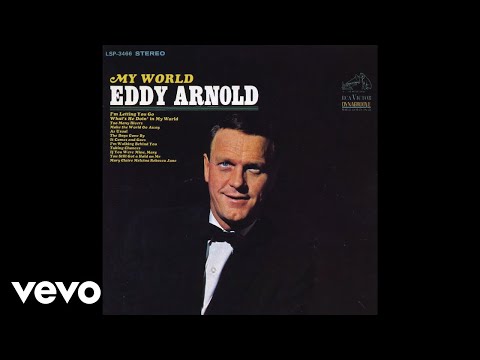
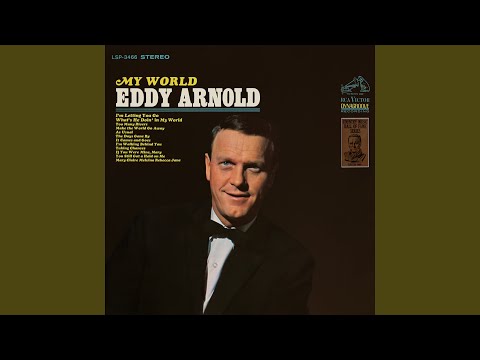
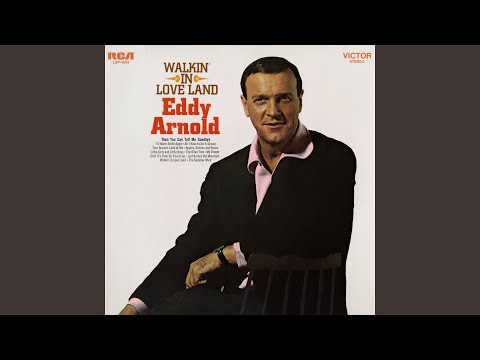

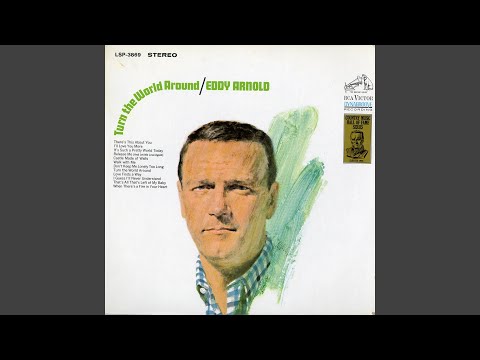
→ More from the 1960s File
View all 1960s hits →




Keep digging