The 1960s File Feature
Let's Kiss And Make Up
Let's Kiss And Make Up by Bobby Vinton The Polish Prince at the Dawn of His Reign Travel back to the close of 1962, a moment of transition in American pop ju…
01 The Story
"Let's Kiss And Make Up" by Bobby Vinton
The Polish Prince at the Dawn of His Reign
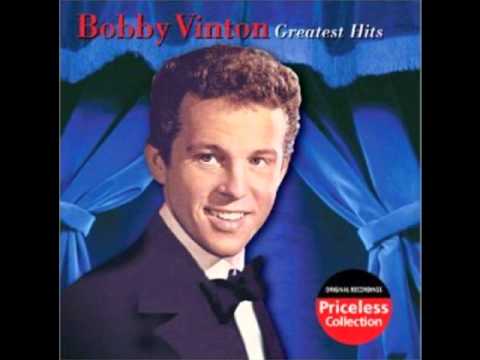
Travel back to the close of 1962, a moment of transition in American pop just before everything sped up. The airwaves were full of smooth-voiced crooners and orchestrated ballads, the last flowering of a gentler, more romantic style of hit-making before the beat groups arrived to shake it all up. Bobby Vinton stood at the front of this world. Known affectionately as the Polish Prince, he had recently broken through with a chart-topping smash that established him as one of the era's premier balladeers, a singer whose warm, earnest voice seemed built for songs of longing and devotion. "Let's Kiss And Make Up" arrived during this crucial early stretch of his stardom, one of the follow-up singles meant to sustain the momentum of a rising heartthrob who had just tasted the very top of the chart.
Orchestrated Romance, Vinton Style
The record sits comfortably in the lush, romantic pop tradition that Vinton made his own. It pairs his sincere, emotive vocal with the sweeping orchestral arrangements typical of early-sixties balladry, all strings and gentle drama designed to tug at the heart. The track showcases the tender, orchestrated pop style that defined Vinton's appeal. There is an unabashed earnestness to his delivery, a willingness to wear his heart openly that made him a favorite among listeners who wanted romance served straight, without irony. The production is warm and polished, giving his voice center stage to sell the song's plea for reconciliation. It is old-fashioned in the best sense, romantic pop crafted with care for an audience that cherished exactly that.
A Steady Rise on the Hot 100
The chart run reflects a solid, respectable showing for a follow-up single. "Let's Kiss And Make Up" debuted on the Billboard Hot 100 on December 1, 1962, at number 73. It climbed steadily through the holiday season, moving to 65, then 47, then 43, then 42 in consecutive weeks, a clean and encouraging ascent. The single ultimately peaked at number 38 during the week of January 19, 1963, and spent nine weeks on the Hot 100. While it did not scale the heights of his signature number-one hits, a peak in the high thirties was a perfectly creditable result, the kind of showing that kept a rising star visible and in the public ear. It confirmed that Vinton was no one-hit wonder but a genuine hitmaker building a career.
The Last Calm Before the Storm
The timing of this record lends it a certain nostalgic weight. Late 1962 and early 1963 represented one of the final calm seasons for the orchestrated pop-ballad style before the cultural earthquake to come. Within a year or so, the British Invasion would sweep across America and dramatically reshape the sound of the charts, pushing many of the era's crooners toward the margins. Vinton was among the leading balladeers of pop's final pre-Beatles moment. Yet unlike some of his peers, he would prove remarkably resilient, continuing to score hits well into the changed landscape. Records like this one capture the sound of an era at its peak, sweet and unhurried, just before the tempo of everything increased.
A Building Block in a Durable Career
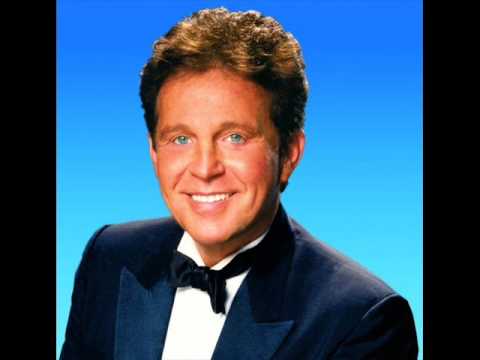
In the grand arc of Bobby Vinton's long and successful career, this single is an early stepping stone, remembered less than his towering hits but valuable as part of the foundation. He would go on to become one of the most enduring pop balladeers of his generation, a fixture of American entertainment for decades and a beloved figure to fans of romantic pop. This song helped cement his early standing, keeping him on the chart during a formative period. Today it endures as a warm artifact of his youthful heyday, holding around 69,000 YouTube views, cherished by those who love the golden age of the pop ballad.
Press Play and Make Up
Put this one on and you are wrapped in the warm, earnest romance of early-sixties pop. Vinton's sincere voice, the swelling strings, the heartfelt plea to set things right, it all glows with an old-fashioned charm that never fully goes out of style. It is a gentle, disarming little record. Press play and let it win you over.
"Let's Kiss And Make Up" — Bobby Vinton's singular moment on the 1960s charts.
02 Song Meaning
The Meaning Behind "Let's Kiss And Make Up"
The Plea for Reconciliation
The meaning of "Let's Kiss And Make Up" announces itself plainly in the title, and that directness is part of its charm. This is a song about mending a broken relationship, about setting aside a quarrel and returning to love. The central theme is reconciliation, the desire to heal a rift and restore a romance. The lyric extends an olive branch, a heartfelt request to forgive, forget, and come back together. It captures a moment familiar to every couple, the point after an argument when one partner reaches out to repair what was damaged and recover the warmth that was briefly lost.
Vulnerability Worn Openly
What gives the song its emotional weight is the vulnerability in the asking. To plead for reconciliation is to admit one still cares, to risk rejection in the hope of renewal. The emotional message is one of tender openness, the courage to reach out first after a falling-out. Vinton's sincere delivery makes that vulnerability palpable, selling the plea as genuine rather than glib. There is no pride or defensiveness here, only an earnest wish to be close again. That willingness to lay one's feelings bare is what makes the song touching rather than merely sweet.
The Optimism of Young Love
Beneath the specific scenario runs a broader faith in love's ability to survive conflict. The song assumes that a kiss can truly mend things, that affection can overcome disagreement. Its outlook is fundamentally hopeful, trusting that love is strong enough to repair itself. That optimism reflects the romantic idealism of early-sixties pop, a world where troubles were real but reconciliation always seemed within reach. The song believes in happy endings, and it invites the listener to believe in them too, offering reassurance that a rift need not be permanent.
Romance in a Gentler Pop Era
Set at the close of 1962, the song embodies the sincere, uncomplicated romantic sensibility of its moment. This was pop that treated love earnestly, without the irony or edge that later decades would bring. The song reflects an era that prized heartfelt romance and straightforward emotional expression. For its audience, that sincerity was precisely the appeal. A simple, honest plea to make up spoke directly to young hearts navigating the ups and downs of romance, offering a soundtrack for both the quarrel and the sweet relief of its resolution.
Why It Still Rings True
The song endures because the experience it describes is utterly universal and timeless. Every relationship weathers conflict, and everyone knows the tender moment of reaching out to reconcile. Its lasting resonance lies in the eternal human wish to heal a rift with someone we love. Delivered with Vinton's disarming sincerity, the sentiment never dates. Anyone who has ever wanted to make peace after an argument recognizes the feeling instantly, and that simple, enduring truth is why the song still connects with listeners across the generations.
→ More from Bobby Vinton
View all Bobby Vinton hits →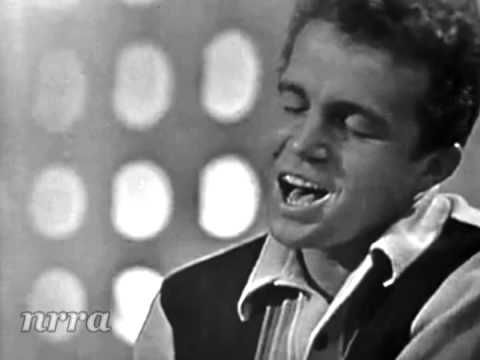


→ More from the 1960s File
View all 1960s hits →




Keep digging