The 1960s File Feature
Mr. Lonely
Mr. Lonely: Bobby Vinton's Signature Number-One Hit of 1964 "Mr. Lonely" is the song most durably associated with Bobby Vinton , the Pennsylvania-born pop si…
01 The Story
Mr. Lonely: Bobby Vinton's Signature Number-One Hit of 1964
"Mr. Lonely" is the song most durably associated with Bobby Vinton, the Pennsylvania-born pop singer who dominated the early 1960s teen-idol market with a string of sentimental ballads released on Epic Records. The song reached number one on the Billboard Hot 100 in December 1964, where it held the top position for a single week during one of the most competitive periods in chart history. Its release came just as the British Invasion was transforming the American pop landscape, and Vinton's ability to reach the top of the chart in late 1964 was a genuine testament to his commercial resilience in the face of that seismic shift.
The song was written by Bobby Vinton and Gene Allan, a relatively unusual circumstance for an artist of Vinton's era, when most pop performers recorded material provided by professional songwriters from the Brill Building tradition. Vinton's co-writing credit gave "Mr. Lonely" a personal quality that contributed to its emotional directness. The song had actually been recorded years earlier but was held from release before eventually finding its moment as part of Vinton's continued commercial dominance on Epic Records.
By 1964, Vinton was already established as one of the most commercially reliable pop acts in America. His 1962 recording of "Roses Are Red (My Love)" had reached number one on the Billboard Hot 100, launching a remarkable run of hits that included "Blue on Blue," "Blue Velvet," and "There! I've Said It Again." The last of these had actually been number one on the Hot 100 when the Beatles made their American debut in early 1964 and displaced it almost immediately. The Beatles' arrival created enormous commercial pressure on the existing American teen-idol pop establishment, and many of Vinton's contemporaries saw their chart fortunes collapse in the months that followed.
Vinton proved more durable than most. His clean-cut, earnest vocal style and preference for sentimental ballad material found an audience that remained loyal even as British rock and roll reshaped the mainstream. "Mr. Lonely" demonstrated that loyalty in quantifiable form, reaching number one and spending multiple weeks in the upper reaches of the Hot 100. The song's chart run confirmed that there was still a large American audience for the kind of unironic romantic balladry that Vinton represented, even if that audience was no longer the defining center of pop music's cultural momentum.
The production of "Mr. Lonely" was handled in the clean, string-backed style typical of Epic Records pop productions of the era. The arrangement featured orchestral elements that amplified the song's emotional content without overwhelming Vinton's warm, accessible tenor. This production approach, associated with producer Bob Morgan and the broader Epic Records house style, was precisely calibrated for the mainstream pop radio environment of the early-to-mid 1960s, where sound quality and arrangement sophistication were important commercial considerations.
The song performed well on multiple charts simultaneously, reaching the top of the Hot 100 while also placing on the adult contemporary charts that measured airplay at the more conservative radio stations serving older demographics. This cross-chart performance reflected Vinton's broad demographic appeal, which extended beyond the teenage market more typically associated with the teen-idol category. His fanbase included adults who appreciated his straightforward vocal approach and the uncomplicated emotional content of his material.
In the years following its initial release, "Mr. Lonely" accumulated a remarkable afterlife through reissues, film appearances, and cultural references. The song appeared in films and television programs across multiple decades, introducing it to generations of listeners who were not yet born when it first charted. Its distinctive opening, with a spoken introduction referencing a soldier separated from home and loved ones, gave it a narrative specificity that made it memorable and instantly recognizable.
Vinton continued recording for Epic Records into the 1970s and enjoyed significant country-crossover success with "My Melody of Love" in 1974, which reached number five on the Billboard Hot 100. But "Mr. Lonely" remained the song most associated with his name, the one most likely to be referenced in retrospective coverage of 1960s pop music and the one that continued to reach new audiences through its appearances in popular culture across the following decades.
02 Song Meaning
The Lonely Soldier: What "Mr. Lonely" Communicated to America
"Mr. Lonely" resonated with American audiences in 1964 through a combination of emotional directness and specific situational imagery. Bobby Vinton gave the song's narrator a concrete identity: a soldier far from home, separated from the people who loved him, experiencing the particular isolation that military service imposes. This specificity was emotionally powerful in an era when military service was a near-universal male experience, when virtually every American family had members who had served or were serving, and when the loneliness of deployment was intimate cultural knowledge.
The song arrived in the context of the early Cold War and the buildup of American military involvement in Southeast Asia that would eventually produce the Vietnam War's massive domestic disruption. In 1964, American combat troops were not yet deployed in large numbers to Vietnam, but the military draft was a present reality, and the emotional landscape of the song, the isolated young man longing for home and connection, was immediately legible to a generation living with the constant background awareness of potential separation through service.
Beyond its military context, the song speaks to a more universal human condition. Loneliness as a subject has been central to popular music since the genre's inception, and Vinton's treatment of the theme is notable for its lack of self-pity. The narrator describes his isolation with a kind of stoic clarity that made the song usable as an emotional expression without becoming maudlin. This tonal balance, vulnerable but not collapsed, emotionally honest but not wallowing, is one of the qualities that distinguished the best sentimental pop of the early 1960s from lesser examples of the form.
The song's emotional register fits precisely within the category of early-1960s teen-idol balladry, where the cultivation of pathos was a deliberate commercial strategy and an artistic convention simultaneously. Songs in this mode offered young listeners, particularly young women whose tastes drove the teen-idol market, a form of emotional identification with an appealing male figure who expressed vulnerability and need. Vinton's clean-cut persona and warm vocal delivery made him an ideal vehicle for this kind of emotional transaction.
The narrative structure of "Mr. Lonely" is simple but effective. The persona establishes his situation, describes his feelings, and addresses an absent beloved who represents the human connection he lacks. This direct address, speaking to someone who is not present, is a classical technique in lyric poetry and songwriting that creates intimacy by making the listener feel like a witness to a private communication. It draws the audience into the emotional scenario rather than keeping them at the distance of pure observation.
Looking at the song's place in Vinton's catalog, "Mr. Lonely" represents the purest expression of his core artistic identity. Where other hits in his discography were adapted from existing sources or provided by outside writers, this co-written song had a personal quality that other recordings could not fully match. The emotional investment in the material was audible, and listeners responded to it with a loyalty that made "Mr. Lonely" the song most persistently associated with Vinton's name across all the decades of his career that followed. It is the record by which his artistry continues to be measured and remembered.
→ More from Bobby Vinton
View all Bobby Vinton hits →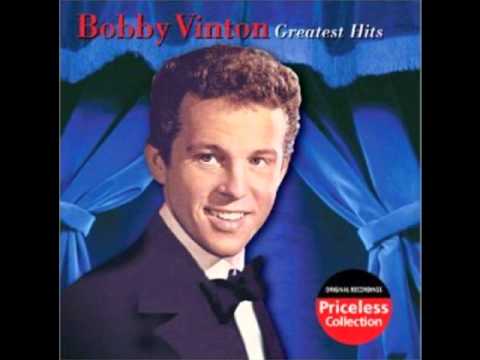



→ More from the 1960s File
View all 1960s hits →




Keep digging