The 1960s File Feature
Blue Velvet
Bobby Vinton Reaches the Summit with Blue Velvet Picture America in the autumn of 1963, a country on the cusp of enormous change, still basking in the lush, …
01 The Story
Bobby Vinton Reaches the Summit with "Blue Velvet"
Picture America in the autumn of 1963, a country on the cusp of enormous change, still basking in the lush, romantic pop sound that had dominated radio before the British Invasion swept everything away. In that golden twilight of pre-Beatles pop, one crooner with a velvet smooth voice rose to the very top of the charts. Bobby Vinton, already a proven hitmaker, took an older song and turned it into one of the most enduring romantic ballads of the era.
The Polish Prince of Pop
Bobby Vinton had carved out a niche as one of America's premier balladeers in the early 1960s. Known affectionately by a regal nickname tied to his Polish-American heritage, he specialized in tender, heartfelt love songs delivered in a warm and earnest voice. Vinton had already topped the Hot 100 in 1962 with "Roses Are Red (My Love)", establishing himself as a reliable purveyor of sentimental pop. By 1963 he was a major star, and audiences craved his sincere, old-fashioned romanticism even as rock and roll continued to evolve around him.
His appeal lay in his unabashed earnestness. While others leaned toward novelty or grit, Vinton offered pure, swooning romance.
A Standard Reborn
"Blue Velvet" was not a new composition. The song was originally written in 1950 and had been recorded by several artists before Vinton, including a notable version by Tony Bennett. Vinton, however, gave it the definitive treatment, wrapping the wistful melody in a plush, dreamy arrangement that perfectly suited his voice. His version was awash in strings and gentle backing vocals, evoking the soft luxury the lyric describes. He transformed a known song into something that felt like it had been written just for him.
All the Way to Number One
The single entered the Billboard Hot 100 on the chart dated August 10, 1963, at number 78. Then it took off, leaping to 53, then 30, then all the way to 11, then 4 in successive weeks. The rapid climb signaled a genuine smash in the making. "Blue Velvet" reached number 1 on the chart dated September 21, 1963, giving Vinton another chart-topping triumph. The record spent fifteen weeks on the Hot 100 in all, a substantial run that confirmed its broad popularity. Reaching the very top in such a competitive year cemented Vinton's status as one of the dominant balladeers of the early sixties.
That number-one peak put "Blue Velvet" among the most successful records of the pre-British-Invasion era, a final flourish of a particular romantic pop style.
A Song That Refused to Fade
The legacy of "Blue Velvet" stretched far beyond its original chart run. The song's haunting, dreamlike quality gave it a second life in popular culture, most famously when its title and mood inspired a landmark film decades later. That association introduced the recording to entirely new generations and lent it an air of mystery it never had in 1963. Few sentimental pop ballads have enjoyed such a rich afterlife. The song became shorthand for a kind of seductive, slightly eerie nostalgia.
For Bobby Vinton, it remains perhaps his signature recording, the song most listeners associate with his name even all these years later. Of all the hits he scored across his long career, this is the one that refused to stay in its decade, continually resurfacing for new audiences who discovered its strange, gorgeous mood. That kind of cultural longevity is rare, and it speaks to the depth of feeling Vinton poured into a song he made entirely his own.
Press Play and Sink Into the Velvet
Cue up Bobby Vinton's "Blue Velvet" and let its plush, romantic glow surround you. It is a perfect distillation of early-sixties pop tenderness, sung by a man who believed completely in the beauty of a great love song. The years have only deepened its dreamy spell.
"Blue Velvet" — Bobby Vinton's singular moment on the 1960s charts.
02 Song Meaning
Memory and Longing in "Blue Velvet"
This is a song about a love remembered, captured forever in a single vivid image. The blue velvet of the title becomes a symbol of a cherished romance, a soft and sensual memory the singer cannot let go. Rather than telling a story with a beginning and end, the lyric lingers in a single feeling, holding tight to the beauty of what once was.
A Color as a Keepsake
The central image is the blue velvet itself, worn by a beloved and forever linked to her in the singer's mind. The song turns a piece of fabric into a vessel of memory, the kind of small sensory detail that can summon an entire lost love. This focus on one tender image gives the lyric its dreamlike, hypnotic quality. The whole romance is distilled into the feel and color of that velvet.
Sweetness Tinged With Loss
Beneath the romance lies an undertow of longing. The love being described is in the past, remembered rather than lived. That wistfulness gives the song its bittersweet ache. The singer is not celebrating a present joy but mourning a vanished one, treasuring the memory precisely because it can no longer be held. This blend of warmth and sorrow is what makes the song so affecting.
The Romance of the Era
The song belongs to a moment when pop music prized lush, unguarded sentiment. Early-sixties balladry made room for pure, swooning romance without irony or hesitation. "Blue Velvet" embodies that sensibility completely, offering listeners a frank and luxurious expression of devotion that feels almost cinematic in its softness.
Why It Endured
The experience of holding onto a memory of love is deeply universal. Everyone carries a sensory keepsake of someone they once cared for, and the song gives that feeling a gorgeous shape. Its later cultural afterlife only deepened its resonance, lending the gentle ballad an undercurrent of mystery that listeners found irresistible.
A Lingering Dream
What stays with you is the song's mood of velvet-soft yearning. It captures the way memory can preserve a love in perfect, untouchable beauty. That bittersweet permanence is the song's lasting gift, a reminder of how tenderly we hold the people we have loved. The genius of the lyric is its restraint, building an entire romance from a single image and trusting the listener to fill in the rest. We all carry such fragments, a scent or a color or a song that brings someone rushing back. By naming just one of them, the lyric makes room for all the others, which is why the song has felt so personal to so many different people across the decades. Each listener brings their own velvet, their own vanished evening, and the song quietly makes room for it.
→ More from Bobby Vinton
View all Bobby Vinton hits →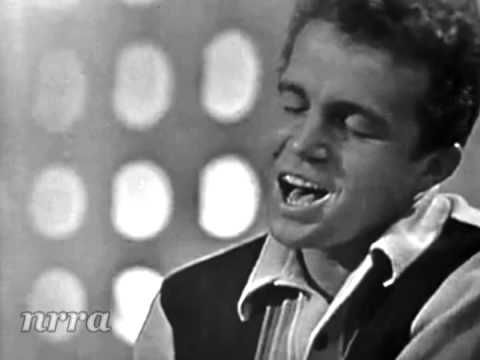




→ More from the 1960s File
View all 1960s hits →




Keep digging