The 1960s File Feature
Just As Much As Ever
Bobby Vinton and "Just As Much As Ever" — The Polish Prince Sustains a Career Through the Rock Era In the mid-to-late 1960s, Bobby Vinton occupied a fascinat…
01 The Story
Bobby Vinton and "Just As Much As Ever" — The Polish Prince Sustains a Career Through the Rock Era
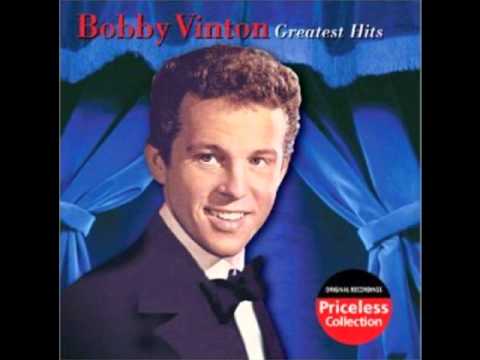
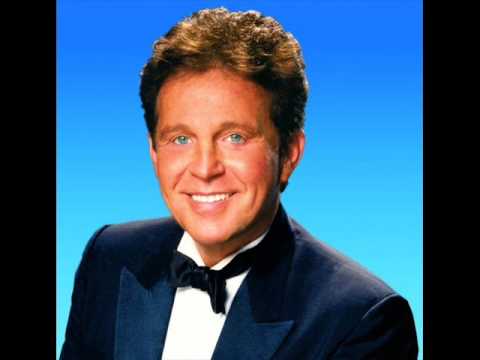
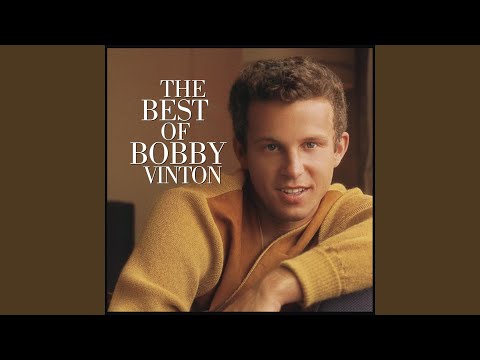
In the mid-to-late 1960s, Bobby Vinton occupied a fascinating position in the American popular music landscape. He had achieved his greatest commercial successes in the early part of the decade, with recordings like "Roses Are Red (My Love)" and "Blue Velvet" establishing him as one of the dominant forces in pre-British Invasion pop. As the cultural landscape shifted dramatically following the Beatles' arrival in America in February 1964, Vinton demonstrated a career resilience that many of his contemporaries could not match, continuing to chart with recordings that served his core audience even as younger listeners migrated toward rock and soul.
"Just As Much As Ever" entered the Billboard Hot 100 on December 30, 1967, at number 83, and climbed steadily through the early weeks of 1968. Its chart trajectory was a model of controlled ascent: from 83 to 67 to 52 to 42 to 32 to 24, reaching its peak position during the week of February 10, 1968, where it spent the chart week at number 24 before beginning its decline. The total run of eight weeks on the chart represented a solid commercial performance for a record aimed at an audience that increasingly consumed music through different channels than the album-rock listeners who were becoming the dominant force in the industry.
The song itself was not a new composition. "Just As Much As Ever" had a prior chart history: Bob Beckham had taken the song to number 19 on the Hot 100 in 1959, and that successful version had established the melodic and emotional template that Vinton would revisit. The practice of covering songs that had been commercially successful years earlier was common throughout this period, particularly for artists serving adult pop audiences who valued familiar emotional content over novelty. Vinton's approach to previously recorded material was typically to invest it with his distinctive vocal personality while updating the production to reflect contemporary pop conventions.
Bobby Vinton's vocal style was built on clarity of enunciation, emotional directness, and a baritone richness that suited romantic material well. He was a technically accomplished singer who had originally aspired to a career as a band leader, having formed and led his own orchestra before his recording success redirected his career. This orchestral background informed his approach to recorded material, giving him an intuitive understanding of how vocal performance related to instrumental accompaniment that purely self-taught pop singers sometimes lacked.
The production of "Just As Much As Ever" reflected the conventions of late-1960s adult pop: string arrangements, clean rhythm section work, and a vocal presentation that prioritized Vinton's voice above any ambient production color. This was not the psychedelic rock being recorded at the same moment in studios across London and California, but it served its intended audience with a precision and craft that should not be dismissed simply because it operated within conservative aesthetic parameters. The people who bought Bobby Vinton records in 1967 and 1968 knew exactly what they were getting, and they valued it.
The commercial context for the single's early 1968 chart run was challenging in ways that had nothing to do with the quality of the recording. The pop marketplace in early 1968 was crowded with major releases, and the adult pop segment that Vinton served was beginning to face competition from the middle-of-the-road artists who were successfully bridging the gap between rock-era production values and traditional romantic balladry. Artists like Tom Jones and Engelbert Humperdinck were demonstrating that enormous audiences existed for theatrically delivered romantic material, and their success was both validation and competition for Vinton's approach.
Vinton's ethnic identity as a Polish American had become an explicit part of his commercial identity by this period. He had embraced the nickname "the Polish Prince" and was developing material that would eventually lead to his 1975 recording of "My Melody of Love," in which he incorporated Polish-language passages and specifically targeted the Polish American community whose pride in his success had been a consistent element of his career narrative. This community connection was part of the fabric of his sustained commercial viability during a period when many of his early-1960s peers had faded from the charts.
The eight-week chart run and number 24 peak of "Just As Much As Ever" placed it among the significant if not spectacular entries in Vinton's discography. For a career that had produced a number of genuine chart-toppers in the early 1960s, a peak of 24 might seem modest, but in the context of the dramatically changed musical landscape of 1967-1968, it represented a genuine achievement. The Billboard Hot 100 of this period was increasingly dominated by rock and soul, and a consistent ability to place romantic pop ballads in the upper quarter of the chart was the mark of an artist with a durable and loyal audience.
02 Song Meaning
Constancy as Romance: The Meaning of "Just As Much As Ever" by Bobby Vinton
"Just As Much As Ever" belongs to a specific tradition within American popular song: the affirmation of romantic constancy addressed to a beloved who may have reason to doubt the singer's continued devotion. The song's central assertion, that the speaker's love has not diminished despite whatever time or circumstance has intervened, participates in the long history of popular music's engagement with fidelity as both a romantic ideal and a source of dramatic tension. Bobby Vinton's interpretation of the song in 1967-68 gave this familiar theme a particular emotional coloring shaped by his vocal style and the production values of his era.
The premise of reassurance that underlies the song implies a prior situation of doubt or separation. The speaker is not establishing a new romantic claim but reaffirming an existing one, suggesting that something has occurred to raise questions about the relationship's continuing vitality. This narrative background, implied rather than spelled out, gives the song a complexity that purely celebratory love songs do not possess. The listener understands that the affirmation "just as much as ever" carries more weight because it has been called into question.
Vinton's vocal approach was particularly well suited to material of this kind. His clear, unfussy delivery communicated sincerity without excess, suggesting a person who expresses feeling through direct statement rather than dramatic elaboration. This quality of emotional directness was the cornerstone of his appeal throughout his career, and it gave the constancy theme of "Just As Much As Ever" a credibility that more emotionally extravagant performances might paradoxically have undermined. The restraint was itself a form of evidence.
The song's meaning is also shaped by its historical moment. In late 1967 and early 1968, the dominant cultural conversation around romantic relationships was being inflected by the counterculture's challenges to conventional relationship structures. Free love, communal living, and the rejection of traditional romantic commitments were being debated in ways that had not been part of mainstream discourse a decade earlier. In this context, a song affirming the durability of romantic constancy through more conventional forms carried a subtly defensive cultural valence, aligning its audience with values that the counterculture was questioning.
This is not to suggest that Vinton's audience was consciously choosing his recordings over psychedelic rock as a cultural-political statement. But the persistence of adult pop as a commercially viable genre in the late 1960s, and the consistent loyalty of its core audience, reflected genuine convictions about what love looked and felt like that differed from the counterculture's prescriptions. "Just As Much As Ever" spoke to these listeners in their own emotional language, validating their experience of romantic commitment as something worth celebrating in song.
The production values of the recording also contributed to its meaning. The orchestral arrangement that surrounded Vinton's vocal communicated a sense of occasion and permanence, suggesting that the feelings being expressed were substantial enough to warrant formal musical treatment. Popular orchestration of this kind carried cultural associations of seriousness and emotional weight, distinguishing the material from more casually produced pop and implicitly arguing for the importance of the feelings it described.
Bob Beckham's original 1959 recording of the song had established its emotional parameters, and Vinton's cover acknowledged this heritage by maintaining the song's core character while updating its sonic presentation. This dialogue between versions is part of the song's meaning as a piece of popular repertoire, a reminder that certain emotional themes are durable enough to sustain multiple serious interpretations across the decades. The constancy that the lyric describes was itself reflected in the song's ability to find new life in Vinton's late-1960s interpretation, proving that what matters most in popular music is often not newness but the honest engagement with feelings that time cannot make irrelevant.
→ More from Bobby Vinton
View all Bobby Vinton hits →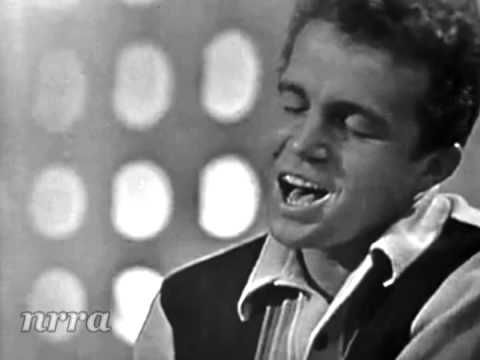

→ More from the 1960s File
View all 1960s hits →




Keep digging