The 2020s File Feature
Papercuts
Papercuts — Machine Gun Kelly (2021) Machine Gun Kelly's transition from rapper to pop-punk artist was one of the more dramatic and commercially consequentia…
01 The Story
Papercuts — Machine Gun Kelly (2021)
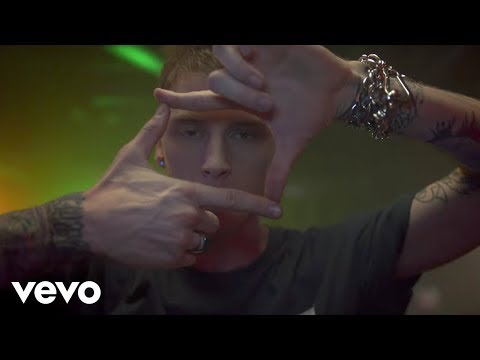
Machine Gun Kelly's transition from rapper to pop-punk artist was one of the more dramatic and commercially consequential genre shifts in recent popular music history. Colson Baker, performing as Machine Gun Kelly, had spent the better part of a decade building a following as an energetic and provocative hip-hop artist before pivoting decisively toward guitar-driven pop-punk with his 2020 album "Tickets to My Downfall," released on Bad Boy Records through Interscope. That album debuted at number one on the Billboard 200 and demonstrated that the pivot was not merely a critical gambit but a genuine commercial realignment. "Papercuts" arrived in the period of heightened activity and creative momentum that followed that breakthrough.
The song was part of the wave of material Machine Gun Kelly produced and released as he consolidated his new identity as a pop-punk figurehead. "Tickets to My Downfall" had been produced by Travis Barker of Blink-182, and Barker's involvement was central to the aesthetic and commercial success of the project. Barker brought genuine punk-rock credibility, a massive fan base, and an ear for the kind of melodic punk production that could translate in the streaming era without sounding like a period piece. The collaboration gave Machine Gun Kelly's genre shift a legitimate institutional anchor within the punk world.
The follow-up period to "Tickets to My Downfall" included "Mainstream Sellout," released in 2022, but the creative output between those two albums included substantial work that extended and refined the pop-punk approach Baker had adopted. "Papercuts" sits within that productive period, demonstrating the continued investment in the sonic territory the artist had staked out. The song's title captures a recurring theme in Machine Gun Kelly's pop-punk output: the small, accumulating wounds that relationships and life circumstances inflict, rendered in the visceral, emotionally direct language of punk rock.
The commercial context for Machine Gun Kelly in 2021 was extraordinary. Bad Boy Records and Interscope had a significant commercial success on their hands with the pop-punk transition, and the promotional infrastructure behind the artist was fully engaged. Machine Gun Kelly's visibility extended well beyond music: his relationship with actress Megan Fox generated substantial tabloid and entertainment media coverage that kept him in public consciousness during this period, and his fashion choices and public persona reinforced the pop-punk aesthetic he was building around the music.
Pop-punk as a format had been experiencing a genuine revival in this period, with younger artists and listeners rediscovering the genre through streaming playlists and social media. Machine Gun Kelly was the most commercially prominent figure in that revival, and songs like "Papercuts" fed into the genre's resurgence. The timing was significant: the emotional directness and guitar-driven energy of pop-punk suited both the mood of the post-pandemic cultural moment and the short-attention-span dynamics of platform-based music discovery.
Machine Gun Kelly's fanbase, known as EST (short for "Everyone Stands Together"), followed him enthusiastically through the genre transition, and "Papercuts" found an audience that included both longtime followers and the new listeners the pop-punk pivot had attracted. The song performed well on streaming platforms, where his catalog was generating substantial numbers, and fit naturally into the playlists that had driven "Tickets to My Downfall" to its historic chart performance.
The critical reception for this period of Machine Gun Kelly's work was mixed, with some critics dismissing the pop-punk turn as calculated and others arguing that the emotional authenticity of the performances justified the commercial maneuvering. "Papercuts" was generally treated as a solid representative example of what the artist was attempting: melodic, emotionally charged guitar-driven music that prioritized feeling over technical sophistication. Within that narrow but commercially rich frame, the song succeeded on its own terms. "Tickets to My Downfall" had sold hundreds of thousands of copies and generated streaming numbers that validated the genre pivot as a genuine commercial strategy, providing "Papercuts" and surrounding material with a built-in audience that expected and appreciated exactly what the song delivered.
02 Song Meaning
The Meaning of "Papercuts" by Machine Gun Kelly
"Papercuts" draws on an image that recurs across Machine Gun Kelly's pop-punk catalog: the small, repeated injury that is not dramatic enough to be a clean wound but accumulates over time into something genuinely painful. Papercuts don't come from a single decisive blow; they happen gradually, almost accidentally, and the pain they cause is disproportionate to their apparent scale. As a metaphor for the emotional damage done by relationships and personal history, it is precise and evocative without being overwrought.
Machine Gun Kelly's pop-punk work consistently returns to themes of emotional exposure, the vulnerability of caring about people and situations that have the power to hurt. "Papercuts" fits within that pattern. The song addresses the accumulation of small grievances, disappointments, and moments of feeling unseen or undervalued in ways that add up to genuine psychological injury. The punk format is appropriate for this material because the genre has always been partly about giving voice to the feeling that ordinary life inflicts a constant low-grade pain that mainstream culture refuses to acknowledge.
The choice of pop-punk as a vehicle for this kind of emotional expression was deliberate and effective. The genre's core convention is using loud, energetic music to deliver emotionally naked confessional content, and Machine Gun Kelly took that convention seriously even as critics debated the authenticity of his genre transition. The emotional directness of "Papercuts" suggests that whatever commercial calculation went into the pivot, the feelings the music expresses are real, or at least performed with enough conviction to produce the same effect.
Within Machine Gun Kelly's broader artistic narrative, the pop-punk period represents a deliberate confrontation with vulnerability. His hip-hop work had often been more performatively aggressive, projecting toughness as a form of emotional protection. The move to pop-punk stripped some of that armor away, replacing it with something rawer and more openly wounded. "Papercuts" exemplifies this shift: it is not a song about strength or dominance but about the experience of being hurt by forces too diffuse and too small to fight directly.
The song also reflects something about the cultural moment in which it was released. The pop-punk revival of the early 2020s was partly a response to the emotional conditions of the period, a time when isolation, uncertainty, and ambient anxiety were widespread. The genre's combination of high energy and emotional honesty offered listeners a way to feel things intensely at a moment when many people were struggling with numbness or disconnection. "Papercuts" tapped into that cultural need with precision, delivering exactly the kind of emotional catharsis that the pop-punk revival was promising to provide.
→ More from Machine Gun Kelly
View all Machine Gun Kelly hits →


→ More from the 2020s File
View all 2020s hits →


Keep digging