The 2010s File Feature
Venus
Venus — Lady Gaga (2013) Lady Gaga's third studio album, ARTPOP , arrived in November 2013 under a weight of anticipation and critical scrutiny that few pop …
01 The Story
Venus — Lady Gaga (2013)
Lady Gaga's third studio album, ARTPOP, arrived in November 2013 under a weight of anticipation and critical scrutiny that few pop releases of its era had to bear. The project had been announced with considerable fanfare, positioned by Gaga and her team as an ambitious conceptual statement that would fuse pop music with the visual art world she had been increasingly drawing into her public persona. "Venus" was released as a single from ARTPOP on October 28, 2013, through Interscope Records, arriving just days before the album's full release and serving as one of the primary introductions to the project's sonic approach for the general public.
The song was written by Gaga alongside producer DJ White Shadow, who had worked with her on Born This Way and become a central figure in her creative inner circle. DJ White Shadow's production approach on "Venus" drew on dance music traditions that included elements of club-oriented house, synth-pop, and the more maximalist production aesthetic that had come to define a certain strain of mainstream electronic dance music in the early 2010s. The result was a track that felt simultaneously rooted in Gaga's earlier aesthetic and pushing toward a newer, more aggressive sonic territory.
The conceptual framework of the song drew on the mythological associations of Venus, the Roman goddess whose domain encompassed love, beauty, and desire. Gaga incorporated this mythological reference into the visual and thematic architecture of ARTPOP as a whole, which was organized around a series of concepts borrowed from art history, classical mythology, and the discourse of contemporary fine art. The decision to open the album's commercial campaign with a track built around this kind of explicit conceptual framework reflected the degree to which Gaga and her collaborators were committed to positioning ARTPOP as something more intellectually ambitious than a conventional pop release.
"Venus" reached number two on the Billboard Dance Club Songs chart, demonstrating that Gaga's connection to the dance music audience that had been central to her initial breakthrough remained strong even as her artistic direction became more overtly conceptual and divisive. The dance chart performance was significant given that one of the critical narratives surrounding ARTPOP was whether the record's conceptual ambitions had come at the cost of its commercial dance appeal. "Venus" provided evidence that the two were not necessarily incompatible.
The music video for "Venus" extended the mythological and art-historical references of the song into a visual language that drew on the tradition of classical painting while applying the maximalist aesthetic production values that had defined Gaga's visual output from the beginning of her career. The video's visual vocabulary was dense and referential in ways that pleased fans who had followed the conceptual development of the ARTPOP project closely, though critics were divided on whether the references were deployed with genuine intellectual rigor or served primarily as aesthetic decoration.
The broader reception of ARTPOP was complicated, with many critics noting a gap between the conceptual ambitions articulated in pre-release promotional materials and the actual listening experience of the record. The album debuted at number one on the Billboard 200 in its first week of release, demonstrating that Gaga's commercial pull remained substantial even in a critical environment that was growing more skeptical of the artistic claims she was making. "Venus" was among the tracks that received the most enthusiastic responses from the portion of the critical community that approached the album favorably.
The promotional campaign for "Venus" and the broader ARTPOP release was one of the most visible pop cultural events of late 2013. Gaga's concurrent performance at the YouTube Music Awards, where she premiered the visual for another ARTPOP track, and her various media appearances during the promotional period kept the album and its singles at the center of music industry conversation throughout the final months of the year. The spectacle of a major pop star attempting something as explicitly art-referenced as ARTPOP generated substantial media coverage regardless of the critical consensus on the project's ultimate success.
For Gaga's career trajectory, the ARTPOP period that produced "Venus" represented both a commercial achievement and the beginning of a period of reassessment and recalibration. The album sold well by the standards of the declining physical music market of 2013, but it did not replicate the crossover dominance of Born This Way or the cultural saturation of The Fame. The album's first-week sales of approximately 258,000 units in the United States placed it at the top of the chart but also reflected a broader sales decline that affected the entire industry and made meaningful comparisons to earlier benchmarks difficult.
02 Song Meaning
What "Venus" Means
"Venus" uses the mythological figure of the Roman goddess of love and beauty as a lens through which to examine desire, transformation, and the relationship between the self and the idealized images that culture projects onto identity. Lady Gaga had been exploring this territory across her career since her debut, constructing a series of alter egos and conceptual frameworks that positioned the relationship between pop stardom and mythology as a subject for direct artistic investigation. "Venus" extends this investigation by drawing on one of Western culture's most foundational mythological images, transplanting it into a contemporary dance music context and using the collision between ancient archetype and modern form as a generative creative tension.
The song invites listeners to understand desire as something cosmic and overwhelming, a force that arrives from outside the self and transforms both the desiring subject and the object of desire. This is the classical function of Venus in the mythological tradition, and Gaga deploys it with an awareness of both its historical weight and its contemporary resonance. In the context of ARTPOP's broader thematic concerns, the track sits at the intersection of several conceptual threads: the relationship between art and pop, between the timeless and the ephemeral, between the mythological and the immediate.
For Gaga's artistic identity, "Venus" represents a particularly clear example of the strategy that had distinguished her from the beginning: the use of cultural references drawn from outside the conventional vocabulary of pop music to give her work an intellectual and aesthetic density that would reward multiple modes of engagement. Fans could engage with "Venus" as a dance floor track, as a piece of mythological appropriation, or as a statement about the nature of desire and beauty, and all three modes of engagement were equally valid responses to a song designed to operate simultaneously on multiple levels.
The emotional register of the song is celebratory and sensual, positioned at the opposite end of the spectrum from the more anxious or defensive emotional territories that Gaga has also explored extensively in her catalog. This registers an important dimension of her artistic range: alongside the vulnerability and the struggle, there is also pure pleasure, a delight in desire and sensation that does not require justification or apology. The Venus mythology provides a framework for this celebration that feels both ancient and immediate, grounding the song's euphoria in a cultural tradition that stretches back to the origins of Western art and literature.
In the retrospective assessment of Gaga's catalog, "Venus" has come to represent a particular moment in her artistic development: the period when her conceptual ambitions were most explicitly foregrounded and when the tension between those ambitions and the demands of mainstream commercial pop was most productively generative. The song captures something essential about what ARTPOP was attempting, whatever one's assessment of how fully it succeeded, and it remains a vivid document of an artist in the midst of one of the most ambitious creative projects in contemporary pop history.
→ More from Lady Gaga
View all Lady Gaga hits →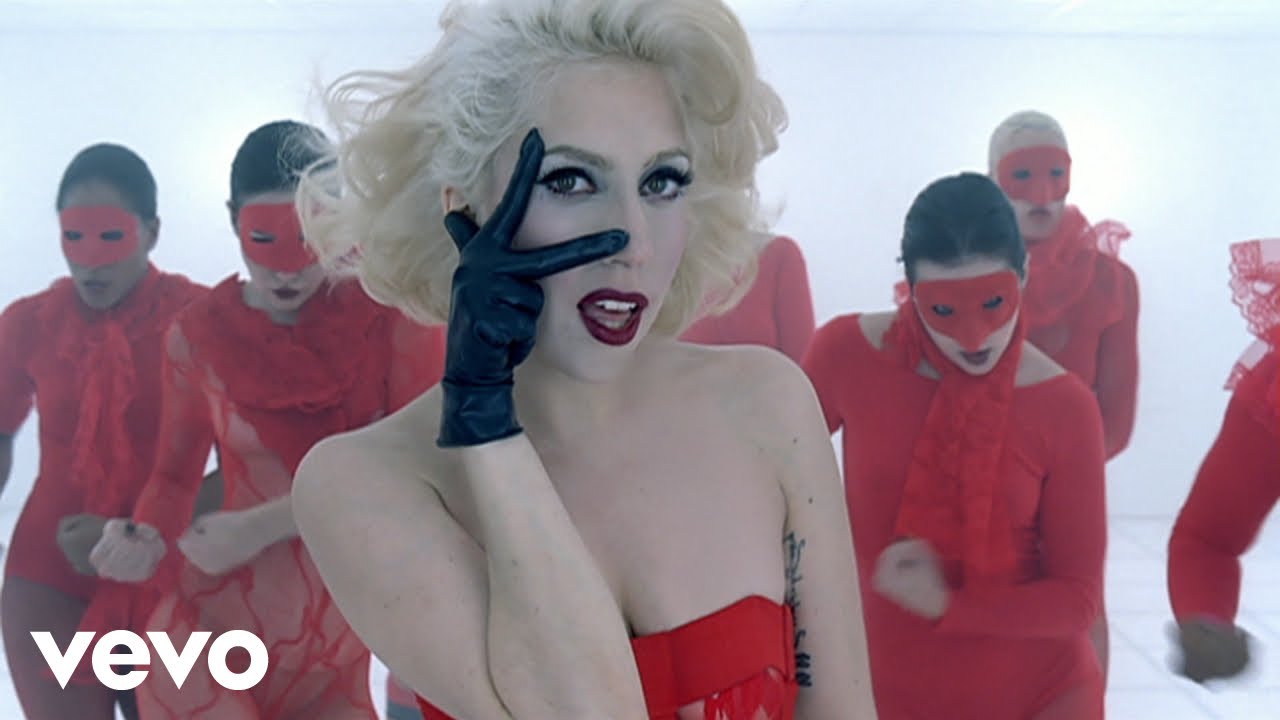




→ More from the 2010s File
View all 2010s hits →



Keep digging