The 2010s File Feature
I'm To Blame
I'm To Blame — Kip Moore Country Music's Quiet Accountant The mid-2010s were a noisy time in country music. Bro-country was at the height of its commercial d…
01 The Story
I'm To Blame — Kip Moore
Country Music's Quiet Accountant
The mid-2010s were a noisy time in country music. Bro-country was at the height of its commercial dominance, filling radio with party anthems and truck-bed romanticism, while crossover pop-country was chasing the mainstream with increasingly polished production. Into this environment came Kip Moore, a Georgia-born singer-songwriter who had built his following on a more weathered, emotionally honest brand of country rock. By 2015, he had established himself as a credible alternative to the genre's more formulaic elements. "I'm To Blame," released in 2015, was a characteristic example of his approach: a song that refused the easy emotional deflection of so much mainstream country and instead looked squarely at a speaker's own culpability in a broken relationship.
The Tradition of Accountability in Country Songwriting
Country music has a long tradition of songs where the narrator confesses their own failings, from classic heartbreak ballads to contemporary honky-tonk confessionals. Moore situated "I'm To Blame" squarely in that tradition, but his version carried a particular weight that came from his identity as a performer who prioritized emotional truthfulness over commercial calculation. The songwriting on the track was direct without being simplistic, finding specific details that elevated the confession beyond generic regret into something more genuinely felt.
Moore had co-written or written much of his own material throughout his career, which gave his recordings a consistent voice that distinguished him from artists who worked primarily with outside writers. The authenticity that listeners perceived in his work was connected to that authorial investment, whether or not they were consciously aware of his songwriting credits.
Chart Performance and Country Radio Context
The song debuted on the Billboard Hot 100 on September 12, 2015, at number 100, spending one week on the chart at that position. Country music's relationship with the Hot 100 in this era was complicated: country radio was an enormously powerful format, but tracks often registered more strongly on country-specific charts than on the all-genre Hot 100. Moore's songs, which appealed to country rock enthusiasts and adult listeners who valued substance over style, tended to find their audiences through radio play and touring rather than through the streaming-driven mechanisms that were becoming increasingly important for Hot 100 performance.
His chart position on country-specific charts told a more complete story of his commercial presence than the Hot 100 appearance alone, but the brief appearance on the broader chart confirmed that his music reached beyond the narrowest country demographic.
Kip Moore's Artistic Identity in a Crowded Field
Moore's career in this period was defined by a deliberate commitment to a certain kind of country music that prioritized feel over formula. His live performances were known for their energy and emotional commitment, and that touring reputation built the kind of audience loyalty that sustained a career through the volatile shifts of commercial country radio. Fans who found "I'm To Blame" through radio or online platforms were likely to follow him to his albums and his live shows, creating a more durable connection than chart positions alone could capture.
The 2010s country landscape rewarded artists who could combine commercial viability with artistic credibility, and Moore occupied an interesting position in that spectrum. He was commercially successful enough to maintain a recording career but aesthetically distinct enough to attract listeners looking for something with more grit and honesty than mainstream country typically offered.
The Value of the Straightforward Confession
In the context of mid-2010s country, a song that simply, plainly admitted fault was itself a kind of statement. The directness of "I'm To Blame" stood out in a landscape where many country songs about relationship difficulty found ways to shift responsibility or soften the edges. Moore chose clarity over comfort, and that choice resonated with listeners who wanted their music to reflect the actual emotional complexity of adult life. Press play and hear what it sounds like when an artist decides that honesty is the most interesting creative choice available.
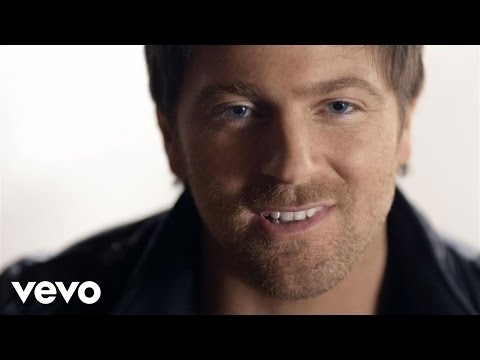
"I'm To Blame" — Kip Moore's singular moment on the 2010s charts.
02 Song Meaning
I'm To Blame — Accountability, Regret, and the Country Confession
The Rarity of Genuine Accountability
Songs about broken relationships are among the most common items in popular music's inventory. Songs where the narrator genuinely, fully accepts responsibility for the breakdown are considerably rarer. "I'm To Blame" occupies that rarer territory. Kip Moore's narrator does not share the fault, does not reframe the situation to make himself look better, does not invoke extenuating circumstances that soften the verdict. The title is the thesis and the song makes good on it, which is itself an unusual artistic choice in a commercial context where songs that make the listener feel better about themselves tend to perform more reliably than songs that model difficult self-examination.
The Psychology of the Confessional Lyric
What makes confessional songs work emotionally is not the spectacle of a narrator's suffering but the recognition they create in listeners who have had similar experiences. A song where the narrator admits fault speaks to listeners who have needed to make similar admissions and perhaps struggled to do so. There is something both cathartic and validating about hearing the experience articulated clearly in music: the difficulty of seeing your own role in something painful, the weight of accountability, and the strange relief that comes with finally naming what you did rather than deflecting from it.
Moore's performance on the track carries the specific quality of someone who has worked through to the honest assessment rather than performing emotion for effect. That quality of earned honesty rather than performed honesty is what separates the song from more generic country confessionals.
Country's Complicated Relationship with Male Vulnerability
Country music in the 2010s was navigating complex territory around masculinity and emotional expression. Bro-country's commercial dominance had pushed toward a version of male identity that emphasized toughness, celebration, and invulnerability. Against that backdrop, a song where a man clearly and without deflection admits his own failings in a relationship carried implicit cultural weight. It modeled a version of male emotional honesty that the dominant commercial genre was underrepresenting.
Moore's willingness to occupy that emotional territory, not as a pose of sensitivity but as a straightforward narrative choice, was consistent with his broader artistic identity as someone who prioritized genuine feeling over commercial positioning. The song reached listeners who were relieved to hear that kind of honesty from an artist whose overall credibility they already trusted.
What Stays When the Chart Moment Passes
Songs about accountability have a particular durability because the human experiences they describe do not go out of fashion. Relationships still break down due to the same failures of attention, commitment, and care that Moore describes, and listeners who recognize those failures in their own histories find the track as relevant years after its chart appearance as they did in 2015.
The song works because it does not try to be more than it is. It is a clear, honest piece of writing performed with conviction by an artist whose career has been built on exactly those qualities. In a crowded and often superficial musical landscape, that straightforwardness is its own form of distinction.
"I'm To Blame" — Kip Moore's singular moment on the 2010s charts.
→ More from Kip Moore
View all Kip Moore hits →


→ More from the 2010s File
View all 2010s hits →



Keep digging