The 2010s File Feature
Jesus Is Lord
"Jesus Is Lord" — Kanye West and the Jesus Is King Gospel Experiment A Right Turn Nobody Predicted When Kanye West released Jesus Is King on October 25, 2019…
01 The Story
"Jesus Is Lord" — Kanye West and the Jesus Is King Gospel Experiment
A Right Turn Nobody Predicted
When Kanye West released Jesus Is King on October 25, 2019, it landed with the force of genuine surprise. The artist who had built one of the most celebrated and controversial careers in hip-hop history, who had pioneered soul-sampling beats, pushed stadium rap toward maximalism, and collaborated with everyone from Jay-Z to Paul McCartney, had made a gospel album. The religious conversion he had been discussing publicly for some months had translated directly into the recording studio, and the result was a complete thematic pivot unlike anything in his discography. "Jesus Is Lord" arrived as the closing track and title statement of that album, a piece of music so brief and so singular that it functioned more as a declaration than a song in any conventional sense.
West had spent the years leading up to Jesus Is King in a period of public difficulty and personal transformation that was well documented. His mental health struggles, his public statements, and his evolving public persona had all become subjects of constant commentary. The album represented his attempt to channel that transformation into art, producing music that was explicitly devotional in a way that no previous Kanye project had been. For his audience, which had followed an extraordinary body of work across multiple creative phases, this was genuinely uncharted territory.
The Album and the Track
Jesus Is King was produced primarily by Kanye West, with contributions from a range of collaborators, and featured the involvement of the Sunday Service Choir that West had been leading in gospel performances throughout 2019. The choir became the sound of the album, their voices providing a sacred texture that distinguished the project from anything else in West's catalogue and from most of what was commercially prominent in hip-hop at the time.
"Jesus Is Lord" as a standalone track was remarkable for its brevity and its directness. Clocking in at under two minutes, it consisted primarily of a vocal declaration of religious faith, stripped down to a degree that felt almost radical in the context of an artist known for elaborate sonic architecture. The track's minimalism was a deliberate artistic statement, a decision to let the devotional content speak without elaborate musical scaffolding around it. Whether that choice served the music or limited it was a question that critics and listeners engaged with at length.
One Week on the Hot 100
The Billboard Hot 100 chart entry for "Jesus Is Lord" reflects the unusual nature of the track's commercial existence. Debuting on November 9, 2019, the song charted for a single week at number 63, its presence driven by the sales and streaming activity generated by the full album's release rather than by the traditional dynamics of radio promotion and extended listener engagement. The one-week chart appearance was nonetheless a genuine chart entry, reflecting real commercial activity from real listeners in the week following the album's release.
The chart dynamics for albums like Jesus Is King in the streaming era were distinct from what had driven chart positions in earlier decades. West's established fan base generated immediate and substantial streaming activity across the album's tracks, pushing multiple songs onto the Hot 100 simultaneously in the release week. That dynamic was itself a reflection of how the chart had evolved by 2019, measuring consumption across streaming, digital purchase, and radio rather than the simpler metrics of earlier eras.
Reception and the Gospel Album Question
Jesus Is King won the Grammy Award for Best Rap Album in 2021, a recognition that generated considerable discussion about category definitions and the relationship between hip-hop and gospel as adjacent but distinct traditions. The album's commercial success was substantial, debuting at number one on the Billboard 200 and generating strong first-week numbers. Critical reception was more divided, with some reviewers embracing the sincerity of West's conversion as genuine artistic material and others finding the album too abbreviated and incomplete to represent a full realization of its ambitions.
The track "Jesus Is Lord" sat at the center of that debate. As the album's title statement and closing declaration, it carried a disproportionate weight of expectation. Its brevity and directness read to some listeners as appropriate minimalism in service of sacred content, and to others as an incomplete artistic realization of a potentially significant concept.
An Album That Asked Questions
Whatever one's ultimate assessment of Jesus Is King and its title track, the project forced genuine engagement with questions that popular music criticism rarely has to address directly: the relationship between religious sincerity and artistic ambition, the responsibilities and freedoms of an artist explicitly making devotional music for a secular pop audience, and the degree to which a creative persona as large and complicated as Kanye West's could be reconciled with the traditions of humility and submission that characterize genuine gospel practice. "Jesus Is Lord" raised those questions with its title and answered them, in its own way, with 47 seconds of music. Listen to it as the closing statement of an album that asked more than it resolved.
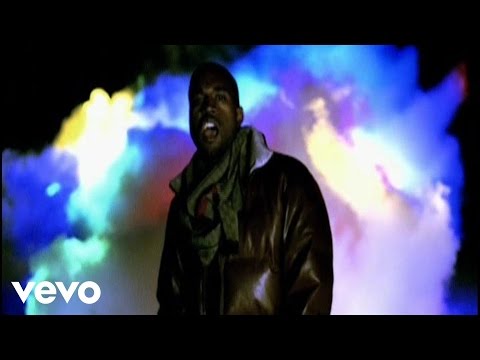
"Jesus Is Lord" — Kanye West's singular moment on the 2010s charts.
02 Song Meaning
"Jesus Is Lord" — Faith, Pop, and the Limits of the Devotional Statement
The Declaration as Artistic Form
In the Christian tradition, the statement "Jesus is Lord" functions as one of the earliest and most fundamental confessions of faith, a declaration that dates to the first-century church and carries specific theological content within Pauline theology. When Kanye West placed those three words as both the title of his 2019 album's closing track and the album's overarching title, he was invoking that theological tradition with full awareness of its weight. The track itself is a devotional statement rather than a conventionally structured song, asking to be received less as pop entertainment than as an act of public religious declaration.
That generic positioning created genuine interpretive challenges. Popular music audiences are accustomed to engaging with religious themes in songs, from gospel's direct address to the divine through soul's secular-sacred vocabulary to hip-hop's complex negotiations with faith and doubt. But a track this brief, this direct, and this theologically specific in its framing demanded a different kind of engagement from what most pop contexts prepared listeners for.
The Relationship Between Celebrity and Sacred
One of the most interesting tensions at the heart of Jesus Is King, and of "Jesus Is Lord" as its closing statement, was the implicit negotiation between Kanye West's celebrity and the traditions of selflessness and humility that define orthodox Christian devotion. West's artistic persona had always been characterized by an extraordinary scale of self-regard, a willingness to assert his own genius and importance that had been central to his commercial identity and to the cultural conversation he generated. The gospel tradition he was now engaging with came from a very different set of assumptions about the proper relationship between self and the sacred.
That tension did not invalidate the religious sincerity expressed in the music, but it did create an interpretive complexity that made the album, and this track in particular, more interesting as a cultural document than a straightforwardly successful devotional project might have been. The friction between the secular celebrity persona and the sacred content generated questions worth taking seriously.
Hip-Hop and the Gospel Tradition
The relationship between hip-hop and gospel is long and complicated. Both traditions emerged from African American communities, both deal extensively with themes of struggle, redemption, and aspiration, and the boundary between them has always been porous. Gospel-influenced production had been present in hip-hop from its early commercial development, with soul samples frequently drawing on gospel sources and artists regularly navigating between the sacred and the secular in their lyrical content. West himself had used gospel-inflected production throughout his career, most notably on tracks that sampled soul records with deep gospel roots.
Jesus Is King and "Jesus Is Lord" represented a different kind of engagement, one that moved from using gospel as a source to explicitly positioning the entire project within the gospel tradition. That move raised questions about appropriation and authenticity that the critical discourse around the album engaged with seriously, with conclusions ranging from full acceptance of the project's sincerity to skepticism about the depth of the commitment it represented.
What the Track Ultimately Offers
Heard as an artistic statement rather than primarily as a theological document, "Jesus Is Lord" offers something genuinely unusual in the context of a major hip-hop artist's catalogue: a moment of near-silence, of stripped-down declaration, in a body of work otherwise characterized by complexity, sonic abundance, and an almost overwhelming density of reference and self-reference. The track's brevity, which reads to some listeners as incompleteness, reads to others as a deliberate artistic choice to let the declaration exist without elaboration, to trust its content to carry the weight without assistance from production or arrangement. Whether that choice succeeded or fell short remains a genuinely open question, which is itself a sign that the track was doing something more interesting than most closing album statements manage.
→ More from Kanye West
View all Kanye West hits →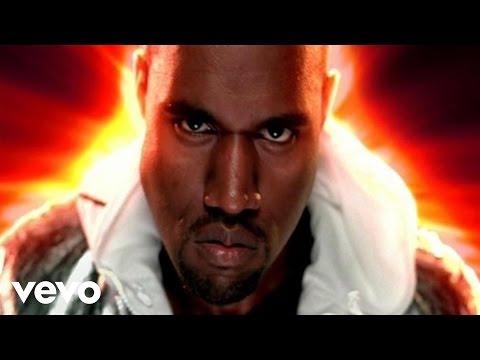



→ More from the 2010s File
View all 2010s hits →



Keep digging