The 2010s File Feature
Runaway
The Grand Confession of Runaway by Kanye West Featuring Pusha T Picture a lone piano note ringing out in silence, struck again and again like a warning bell,…
01 The Story
The Grand Confession of "Runaway" by Kanye West Featuring Pusha T
Picture a lone piano note ringing out in silence, struck again and again like a warning bell, before a sprawling, orchestral hip-hop epic slowly unfolds around it. That bold, theatrical opening announces "Runaway", one of the most ambitious and self-lacerating songs in Kanye West's catalog. When it arrived in 2010, it served as the centerpiece of a triumphant artistic comeback and a remarkably honest reckoning with his own flaws.
An Artist Rebuilding His Image
By 2010, Kanye West was emerging from one of the most turbulent periods of his career, a stretch marked by public controversy and intense scrutiny. The song came from his acclaimed album My Beautiful Dark Twisted Fantasy, a sprawling, maximalist record widely regarded as one of his masterpieces, created as both an apology and a defiant statement of artistic ambition. Featuring a sharp guest verse from Pusha T, "Runaway" sat at the emotional core of that album, a nearly nine-minute epic that confronted his own failings head-on.
A Song of Stark Beauty
The track is built on a deceptively simple foundation, that single repeated piano note, before blossoming into a lush arrangement of strings, beats and distorted vocal textures. West delivers his verses with raw, uncomfortable honesty, casting himself as the villain of his own story, while Pusha T's verse adds a layer of unapologetic bravado that complicates the confession. The song's extended, experimental structure, including a long instrumental coda featuring heavily processed vocals, reflects the album's grand ambitions and refuses the conventions of a typical radio single. That willingness to defy commercial expectation was central to the song's power and to the album's reputation. At a moment when West could have played it safe, he instead made something sprawling, strange and emotionally raw, trusting his audience to follow him into difficult territory. The lengthy outro, with his voice distorted into something almost unrecognizable, has been read as the sound of a man losing the ability to communicate, a fittingly experimental ending to a song built entirely around the failure to connect with the people he loves.
A Strong Chart Debut
"Runaway" debuted on the Billboard Hot 100 dated October 23, 2010, entering at its peak of number 12, a strong showing for such an unconventional, lengthy track. It went on to spend 13 weeks on the chart. Beyond its chart performance, the song became a critical sensation, accompanied by an ambitious short film and a celebrated awards-show performance that cemented its status as a defining moment of its era. The song has since gathered well over one hundred and sixty million YouTube views.
A Masterpiece of Self-Reflection
The song stands as one of the most acclaimed and discussed recordings of West's career, a centerpiece of an album that reshaped the landscape of hip-hop. It captured an artist transforming personal turmoil and public disgrace into something grand, honest and strangely beautiful. For listeners and critics alike, it remains a touchstone of confessional, ambitious music. The accompanying performances and short film elevated the song further, transforming it from a single into a full artistic statement that dominated the cultural conversation of its moment. It became the centerpiece of a comeback so complete that the controversy preceding it now reads almost as the necessary prelude to a masterpiece. In the long arc of West's career, "Runaway" stands as one of the clearest examples of his ability to turn personal chaos into art of genuine depth and lasting significance. Press play, let that single piano note draw you in, and witness an artist toast to his own worst impulses.
"Runaway" — Kanye West and Pusha T's singular moment on the 2010s charts.
02 Song Meaning
Toasting the Flaws: The Meaning of "Runaway"
"Runaway" is a remarkably honest song about self-awareness, flawed relationships and the difficulty of changing one's own destructive behavior. Kanye West uses it to confront his shortcomings directly, offering a confession that is equal parts apology, self-criticism and defiant acceptance.
The Theme of Self-Aware Failure
At its core, the song is about recognizing your own flaws without necessarily fixing them. The narrator openly acknowledges that he has hurt the people closest to him, even raising a toast to his own worst qualities in the song's most memorable gesture. Rather than pretending to be a better person, he admits, with painful honesty, that he is difficult, selfish and prone to self-destruction. That refusal to flatter himself is the emotional heart of the song.
Urging a Partner to Flee
Running through the song is a strange, self-sabotaging tenderness: the narrator tells his partner to run away from him. Aware that he will only cause pain, he encourages the person he loves to escape before he damages them further. It is a confession of unworthiness, a recognition that sometimes the kindest thing a flawed person can do is warn others away from the harm they cause.
Honesty as a Form of Apology
The meaning also lies in the song's function as a public reckoning. Created during a period of real controversy in West's life, the song serves as an apology not through promises to change but through brutal self-examination. The honesty itself becomes the gesture of contrition, an admission that he sees his own faults clearly even if he cannot escape them.
Why It Resonated
There is something deeply human about admitting your flaws while doubting your ability to overcome them, and few songs capture that struggle so openly. By turning his own failings into a grand, beautiful confession, West gave listeners a mirror for their own imperfections. That fearless, uncomfortable honesty, set to such ambitious music, is exactly why the song became such a celebrated and enduring statement. The song resonates because most people recognize, somewhere within themselves, the gap between who they want to be and how they actually behave. Few are willing to admit that gap so publicly. By doing so with such artistry, West turned private shame into something that felt universal, a confession that gave listeners permission to acknowledge their own flaws without pretending to have conquered them. The song does not offer easy redemption or a tidy lesson; it simply sits in the discomfort of self-knowledge, and that refusal to resolve is precisely what makes it feel so honest and so enduring.
→ More from Kanye West Featuring Pusha T
View all Kanye West Featuring Pusha T hits →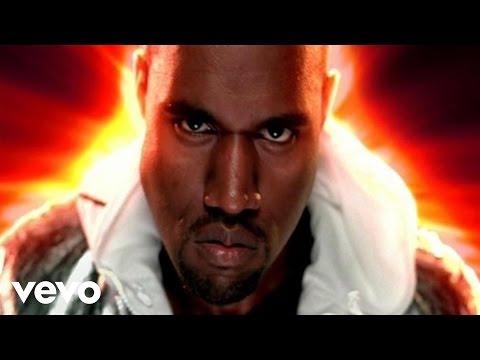


→ More from the 2010s File
View all 2010s hits →



Keep digging