The 2010s File Feature
I Luh Ya Papi
"I Luh Ya Papi" — Jennifer Lopez Featuring French Montana A Superstar Reasserts Herself Spring 2014 found Jennifer Lopez in a peculiar position for someone o…
01 The Story
"I Luh Ya Papi" — Jennifer Lopez Featuring French Montana
A Superstar Reasserts Herself
Spring 2014 found Jennifer Lopez in a peculiar position for someone of her stature. A two-decade career spanning film, television, fashion, and music had made her a genuine pop culture institution, yet the previous few years had been commercially uneven. The massive success of the television show American Idol, where she served as a judge from 2011 to 2013, kept her face everywhere, but her musical output needed a spark. "I Luh Ya Papi" arrived in early 2014 as exactly that: a confident, bass-heavy statement of purpose from a performer who was done being counted out.
The track was released on March 25, 2014, as a promotional single from what would eventually become the album A.K.A. Lopez had been working with a roster of producers and collaborators, and "I Luh Ya Papi" represented a merging of her urban pop instincts with the street credibility of French Montana, the Moroccan-American rapper who had been one of hip-hop's most consistently present voices since breaking out on Diddy's Bad Boy Records. His guest verse added a layer of swagger that complemented Lopez's self-assured lead vocal.
The Sound and the Statement
Musically, the track sits in the early 2010s lane of hip-hop influenced pop, built on thumping 808 drums, synth bass, and a production feel that nods toward the club without abandoning radio friendliness. The production team crafted something sleek enough for mainstream consumption while keeping enough grit to feel authentic in the urban market Lopez had been courting since her late-1990s breakthrough. The title itself, a phonetic rendering of colloquial affection, signaled that Lopez was leaning into an informal, intimate register rather than the polished pop she had delivered on earlier hits.
The accompanying music video became as talked-about as the song itself. Directed with a sharp comedic sensibility, the video flipped the script on the conventional trope of women as ornamental figures in male-driven hip-hop visuals. Lopez and her creative team produced a parody in which men are objectified as eye candy while the women in the video call the shots. The concept drew both praise for its satirical wit and criticism for simply inverting the same formula rather than dismantling it entirely. Whichever side you fell on, the conversation was happening, and that was very much the point.
Chart Performance and Reception
On the Billboard Hot 100, "I Luh Ya Papi" debuted at number 98 on March 29, 2014, then climbed to its peak position of 77 in the chart dated April 5, 2014. The two-week run was brief, reflecting the promotional nature of the single rather than a sustained commercial push, but it served its purpose: it placed Lopez back in the conversation at a moment when the album campaign was just beginning to build steam.
Critical reception was mixed but leaned positive. Reviewers noted that the track showcased Lopez at her most relaxed and playful, less concerned with chasing trends and more interested in projecting the confidence of a veteran who no longer needed to prove anything. French Montana's contribution was recognized as a natural fit, his measured delivery providing a counterpoint to Lopez's energetic chorus work.
The Video's Cultural Ripple
The music video, released alongside the track, generated a cultural discussion that extended well beyond the usual cycle of pop commentary. Lopez herself appeared in interviews to discuss the feminist reading of the video's concept, framing the reversal of objectification as a deliberate and thought-out creative choice. Whether one read it as genuine critique or savvy marketing, the video gave "I Luh Ya Papi" a shelf life that its brief chart run alone might not have sustained. It circulated widely on social media platforms that were, in 2014, becoming the primary battlegrounds for pop culture discourse.
French Montana's involvement also benefited from the project. At the time, he was riding the momentum of his Excuse My French debut album and establishing himself as one of the most reliable collaborators in mainstream hip-hop. Working with Lopez placed him in front of a crossover audience that extended well beyond his core fan base.
Legacy within Lopez's Catalog
In the arc of Jennifer Lopez's recording career, "I Luh Ya Papi" occupies an interesting position. It arrived between the commercially uneven period following her MGM and Epic output and the more self-assured late-career renaissance that would come later. The track's video legacy arguably outweighs its chart impact, and within the broader Lopez catalog it serves as a reminder that she has always understood the value of spectacle alongside sound. The song's playful tone and the video's pointed concept made it one of the more discussed releases of her mid-2010s period, a chapter that was ultimately about reestablishing the terms on which she wanted to be heard. Turn it up and you will find a performer at ease with her own mythology, inviting the audience to enjoy the performance alongside her.
"I Luh Ya Papi" — Jennifer Lopez Featuring French Montana's singular moment on the 2010s charts.
02 Song Meaning
"I Luh Ya Papi" — Meaning, Themes, and Cultural Context
Affection in the Vernacular
The title of "I Luh Ya Papi" is itself a statement of intent. Written in an approximation of casual, spoken-word affection rather than grammatically formal English, it immediately declares that this is a song interested in intimacy on its own terms. The word "papi," drawn from Latin American Spanish as a term of endearment, signals Lopez's return to her Bronx-bred, Nuyorican roots at a moment when that cultural connection felt personally resonant. The phonetic "luh" softens the declaration just enough to keep it playful, distinguishing the track from the earnest love ballad while still grounding it in genuine warmth.
The central emotional territory of the song is confident desire. Rather than longing or vulnerability, the dominant register is one of a person who knows exactly what she wants and has no hesitation about saying so. That stance carried particular meaning for Lopez in 2014, when she was navigating a public profile shaped as much by her personal life as her professional output.
Flipping the Gaze
The song's most culturally significant dimension lives in its video rather than its audio alone, but the two are inseparable as an artistic statement. The music video, which became the primary lens through which most audiences encountered "I Luh Ya Papi," built its argument around a deliberate reversal of the male gaze conventions that had long defined hip-hop visual culture. Men are presented as decorative, objectified figures while the women make the creative decisions, an inversion that the video renders in comedic, exaggerated terms to make the contrast unmissable.
This was not a subtle intervention. The satirical framing acknowledged that reversing the trope is not the same as dismantling it, but it opened space for a wider conversation about whose pleasure pop imagery typically serves. For a mainstream audience that might not have engaged with feminist media criticism in academic contexts, the video offered an accessible entry point into those questions.
Latinidad and Pop Identity
Lopez's career has consistently navigated the intersection of Latinidad and mainstream American pop stardom. The choice to use "papi" as the emotional anchor of the track reflects a particular comfort with that dual identity, a willingness to let her cultural background inflect the commercial product without treating it as exotic packaging. In 2014, Latin influence on mainstream American pop was accelerating, and "I Luh Ya Papi" positioned Lopez as a natural bridge figure rather than a newcomer to that conversation.
French Montana's presence reinforces this crossover sensibility. His Moroccan-American background and his roots in the New York hip-hop scene connect him to a similar story of cultural duality, of being simultaneously inside and adjacent to the mainstream. Their collaboration on the track produced something that felt genuinely hybrid rather than strategically assembled.
Why It Resonated
Audiences responded to the directness of "I Luh Ya Papi" at a moment when a certain kind of unapologetic female confidence was becoming a dominant mode in mainstream pop. The song benefited from a cultural climate in which women asserting desire on their own terms was both commercially viable and critically appreciated. Lopez, with decades of experience shaping her public image, understood how to calibrate that tone, keeping the track celebratory rather than combative.
The track also worked as pure entertainment, which is never a trivial achievement. Its groove was built for parties and gym playlists, and its brevity of chart life did not diminish the way it functioned in those everyday listening contexts. Songs do not always need to spend months on the Hot 100 to lodge themselves in a cultural moment, and "I Luh Ya Papi" proved that a well-placed two-week presence could generate a conversation that lasted considerably longer than the chart run itself.
→ More from Jennifer Lopez Featuring French Montana
View all Jennifer Lopez Featuring French Montana hits →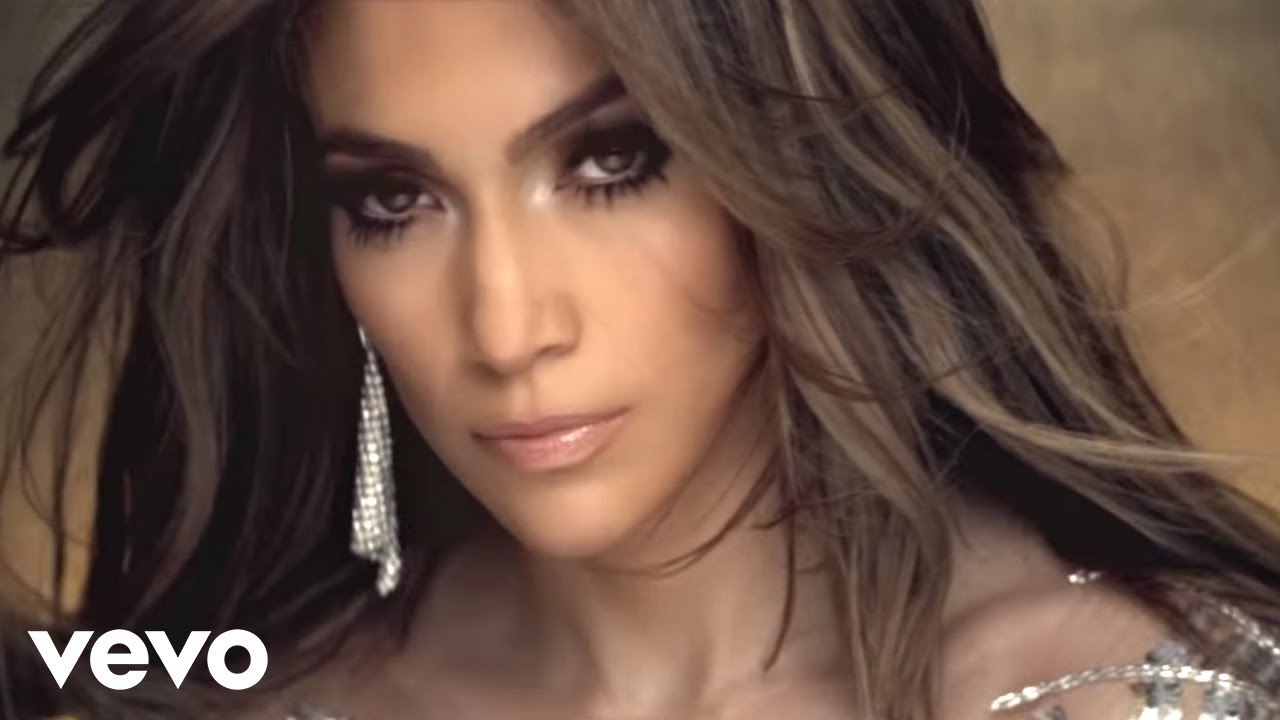

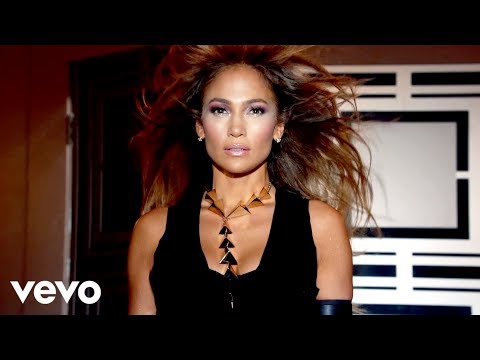

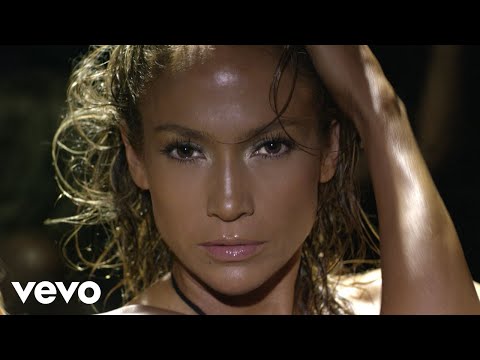
→ More from the 2010s File
View all 2010s hits →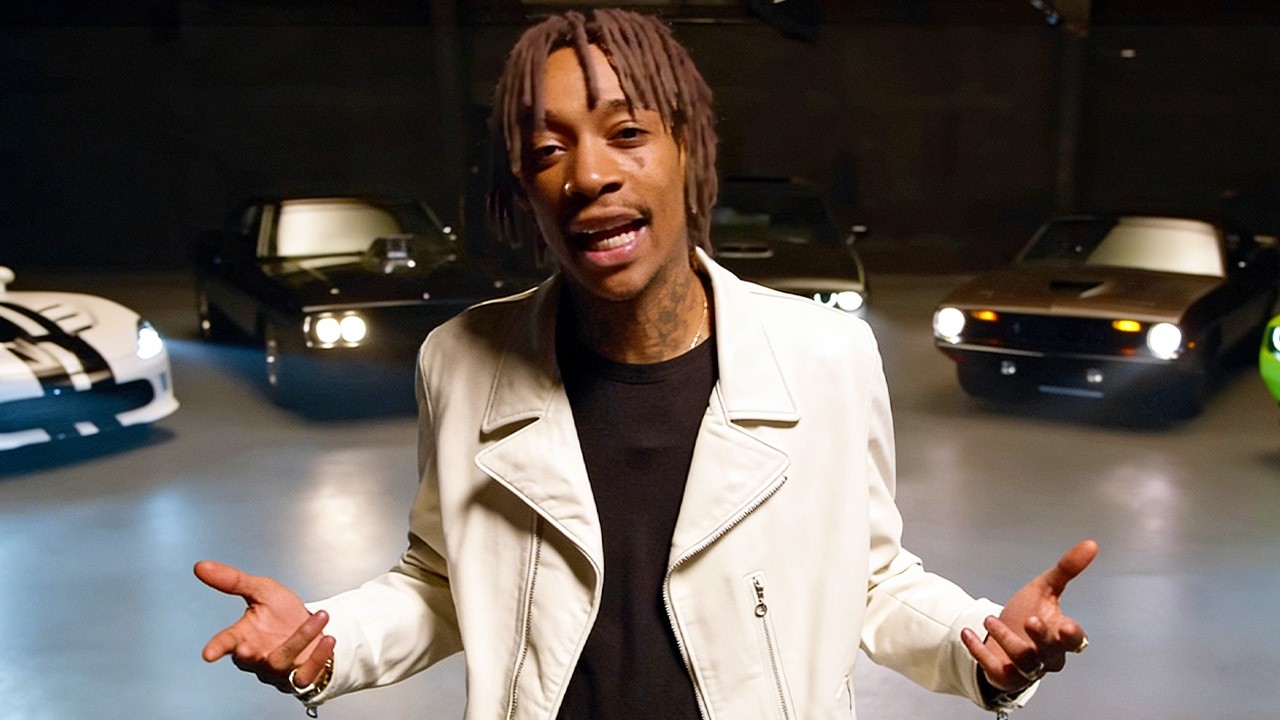


Keep digging