The 2010s File Feature
Dance Again
Chart History and Recording Background of Dance Again "Dance Again" was released in April 2012 as the lead single from Jennifer Lopez's tenth studio album Da…
01 The Story
Chart History and Recording Background of Dance Again
"Dance Again" was released in April 2012 as the lead single from Jennifer Lopez's tenth studio album Dance Again... The Hits, a compilation project released through Island Records. The song featured Pitbull, born Armando Christian Perez, who was at this point one of the most commercially active collaborators in mainstream pop and had previously appeared with Lopez on the 2011 single "On the Floor," which had been a massive global hit. The decision to reunite the two performers on a new single was a natural commercial strategy given the enormous success of their prior collaboration.
The song was produced by RedOne, the Moroccan-Swedish producer born Nadir Khayat, who had been a primary architect of Lopez's commercial resurgence in the early 2010s. RedOne had produced "On the Floor" and several other major hits of the era, and his production style, characterized by high-energy electronic dance arrangements, prominent synthesizer hooks, and a maximalist approach to pop production, was well-suited to the dance-oriented material that Lopez was recording during this period. His involvement with the track was a significant factor in its commercial prospects, as his productions had an exceptional track record of chart performance.
The recording and production of "Dance Again" took place during a period of significant personal and professional reorientation for Lopez. She had publicly separated from her husband Marc Anthony in 2011 and had undergone something of a commercial renaissance through her involvement with the television competition program American Idol as a judge, which had returned her to enormous weekly television visibility after several years of reduced commercial activity. "Dance Again" was in part a statement of personal renewal, with the title and lyrical content speaking to themes of returning to the joy of music and dancing after a period of personal difficulty.
"Dance Again" debuted on the Billboard Hot 100 on April 21, 2012, at position 27, a strong debut that reflected the combined commercial drawing power of Lopez and Pitbull and the infrastructure of a major label release backed by substantial promotional investment. The track moved through the chart in the following weeks, reaching 34 before recovering and climbing to position 27, 25, and 20 in successive weeks. It ultimately achieved its peak position of number 17 during the chart week of May 26, 2012, spending a total of 18 weeks on the Hot 100.
The song performed particularly strongly on the dance and mainstream pop radio charts. On the Hot Dance/Electronic Songs chart it achieved an excellent showing, consistent with its high-energy production style and its clear orientation toward dance floor environments. The Hot Mainstream Top 40 chart performance was similarly strong, reflecting the song's successful positioning as mainstream pop entertainment with genuine dance floor credibility.
Internationally, "Dance Again" was a significant commercial success. In the United Kingdom it reached the top five, a strong performance in a market where Lopez had historically maintained a particularly loyal audience. Across mainland Europe, the song also charted well, benefiting from the promotional infrastructure of a major release and from the considerable international profile of both Lopez and Pitbull, who had extensive fan bases in European markets.
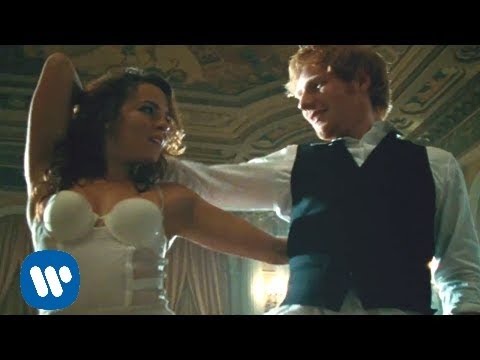
The music video for "Dance Again" was produced at considerable expense and received substantial attention upon its release. Directed by Diana Kunst and Mau Morgó, it depicted Lopez and Pitbull in a series of performance environments that emphasized spectacle, movement, and glamour. The video received heavy rotation on music video channels and digital platforms and contributed to the song's commercial momentum during its chart cycle. Lopez's physical performance in the video was widely praised.
The associated concert tour, the Dance Again World Tour, which ran throughout 2012, was both named after and heavily associated with the single. The tour was a major commercial undertaking that grossed over 100 million dollars worldwide, and its success reinforced the cultural resonance of the song as a statement of artistic and personal renewal. Jennifer Lopez's professional trajectory in 2012 was widely understood as one of the entertainment industry's more compelling comeback narratives of the era, and "Dance Again" was central to that story.
02 Song Meaning
Themes and Meaning of Dance Again
"Dance Again" is structured as a declaration of joyful renewal, centering on the experience of rediscovering the pleasures of music, movement, and life after a period of difficulty or withdrawal. The song's central image, that of returning to the dance floor as a metaphor for re-engaging with the world on one's own terms, carried particular biographical resonance given the personal circumstances of its primary performer at the time of its release. Jennifer Lopez's public separation from Marc Anthony and her professional reemergence through a heightened television profile gave the song's lyrical content a layer of personal narrative that audiences and commentators were readily able to identify.
At its thematic core, the song celebrates resilience and the recuperative power of music as a vehicle for personal renewal. Dancing functions in the song not merely as entertainment but as a form of self-reclamation, a way of inhabiting one's own body and joy fully after having been somehow removed from them. This is a theme with deep roots in popular music history, where the dance floor has frequently served as a symbolic space of liberation, self-expression, and communal solidarity.
Pitbull's contribution to the song adds a dimension of celebratory energy and social confidence that complements Lopez's more personally inflected narrative. His presence on the track serves to broaden the song's emotional register from personal renewal to collective festivity, connecting the individual experience of returning to dancing with the larger social world of parties, music, and shared joy. This pairing of personal and communal themes gave the song a flexibility that contributed to its commercial appeal across different listener contexts.
The production, courtesy of RedOne's signature maximalist electronic dance style, created a sonic environment that itself embodied the song's theme. The track's energy is relentless and forward-moving, designed to prevent stasis and to physically motivate the kind of movement and engagement that the lyrics celebrate. This formal alignment between the song's message and its sonic presentation was a deliberate and effective choice that gave "Dance Again" an infectious quality suited to both personal listening and collective social environments.
The cultural reception of "Dance Again" was shaped significantly by the biographical context of its primary performer. Audiences who had followed Lopez's personal and professional story over the preceding years understood the song's declaration of renewal as partly autobiographical, and this interpretive frame amplified the song's emotional weight beyond what its lyrics alone might have generated. Pop songs that seem to speak directly to a performer's real circumstances carry a particular kind of authenticity that purely fictional narratives cannot produce.
The song's commercial success in the context of the larger Dance Again World Tour transformed it from a standalone single into a statement of sustained artistic relevance. Its enduring streaming numbers and its continued presence in discussions of Lopez's career demonstrate that the song achieved a degree of cultural longevity beyond its initial chart cycle, functioning as a landmark moment in a longer narrative of artistic resilience and personal reinvention that her audience has found consistently compelling.
→ More from the 2010s File
View all 2010s hits →



Keep digging