The 2010s File Feature
We Are Young
The Glee Cast's "We Are Young": Television's Fastest Path to the Hot 100 in December 2011 When the television series Glee aired its episode "Hold on to Sixte…
01 The Story
The Glee Cast's "We Are Young": Television's Fastest Path to the Hot 100 in December 2011
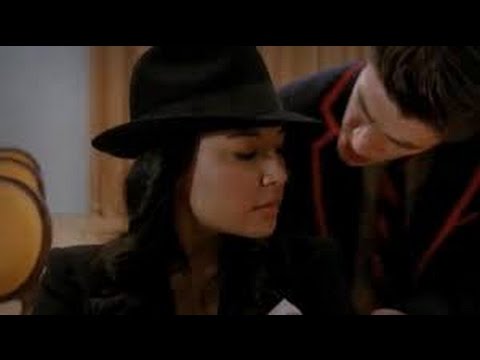
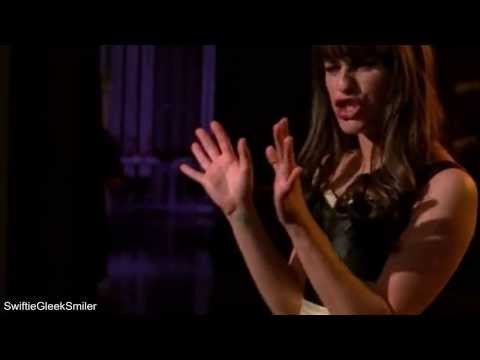
When the television series Glee aired its episode "Hold on to Sixteen" on December 6, 2011, it included a performance of "We Are Young" by the cast, covering the song that the indie rock band fun. had released earlier that year. What followed was a commercial phenomenon that illustrated, in concentrated form, the peculiar economics of the Glee-era music industry: the cast recording debuted at number 12 on the Billboard Hot 100 on December 24, 2011, driven almost entirely by the immediate purchasing response of the show's millions of weekly viewers.
The original "We Are Young" by fun., featuring Janelle Monae, had been released in June 2011 on Fueled by Ramen Records. Written by Nate Ruess, Andrew Dost, and Jack Antonoff, the song was part of fun.'s second album Aim and Ignite and had been building chart momentum in the alternative and AAA formats during the second half of 2011. The song had not yet achieved its full commercial breakthrough at the time the Glee episode aired; that breakthrough would come in early 2012, when the original version eventually reached number one on the Hot 100, partly due to the additional exposure generated by the Glee cover.
The relationship between the Glee version and the fun. original is itself a significant piece of pop history. Glee's cover drove immediate consumer interest in "We Are Young" as a title, but it was the original that ultimately benefited most from sustained radio play and streaming activity. The two recordings occupied the chart simultaneously for a brief period, an unusual situation that illustrated how thoroughly the show had altered the normal dynamics of television licensing and chart competition.
The Glee cast recording debuted at number 12 rather than entering lower and climbing; this was characteristic of the "Glee effect" at its most powerful. Viewers of the December 6 episode purchased the song digitally on iTunes and other platforms in the days immediately following the broadcast, and the concentrated purchasing activity within a single chart week was sufficient to produce a top-fifteen debut. The pattern was familiar from previous Glee singles, but a number 12 debut represented one of the higher entry points the show had achieved.
The song's three-week Hot 100 run followed the typical Glee single trajectory: debut at 12, then a dramatic drop to number 59 in the second week, then a final charting at number 100 in the third week before falling off the ranking entirely. This pattern reflected the absence of sustained radio support; unlike the original fun. recording, which would eventually become a radio staple, the Glee cover was primarily a digital sales phenomenon driven by the episode's viewership rather than by ongoing radio promotion.
Columbia Records, which released Glee music, had developed a sophisticated release infrastructure by the show's third season, ensuring that recordings were available for purchase immediately following episodes and that the commercial window was maximized. The speed of digital distribution made it possible to release a recording and have it chart within the same week that it was performed on screen, a compression of the traditional music industry timeline that would have been inconceivable in the pre-digital era.
The Glee production of "We Are Young" featured the show's ensemble cast in an arrangement that preserved the emotional core of the original while adapting it to the show's theatrical sensibility. The song's themes of youthful camaraderie, resilience, and the desire to matter to other people aligned naturally with Glee's central preoccupations, and the performance was embedded within a narrative context that gave the song additional emotional resonance for regular viewers.
For fans of the fun. original, the Glee cover represented a mainstream validation of a song that had been building its audience through more gradual means. The exposure the show provided accelerated the timeline of the original's commercial success, contributing to the conditions that allowed "We Are Young" to reach number one on the Hot 100 in the early months of 2012. In this respect, the Glee version functioned as a form of commercial accelerant for the original, driving consumer awareness in ways that ultimately benefited everyone involved.
The number 12 peak of the Glee cast recording remains one of the show's stronger Hot 100 entries and a reminder of how powerfully a single television broadcast could shape the commercial fortunes of a piece of music in the early 2010s, when digital purchasing was at its peak and the relationship between television content and chart activity was more direct than it would subsequently become as streaming displaced downloads as the primary consumption mode.
02 Song Meaning
Youth, Belonging, and the Weight of the Night: The Meaning of "We Are Young" as Covered by the Glee Cast
"We Are Young," written by Nate Ruess, Andrew Dost, and Jack Antonoff of fun., is a song that holds its contradictions openly. Its title and chorus make a declaration of youthful abundance and possibility, yet the verses reveal a narrator who is damaged, embarrassed, and uncertain: someone who has behaved badly and who is not entirely sure he deserves the camaraderie the chorus proclaims. The Glee Cast's cover brought this complex emotional territory to a television audience, embedding the song within the show's ongoing narrative of adolescent longing, failure, and renewal.
The song's central emotional dynamic is the gap between aspiration and reality. The declaration that "we are young" is not a simple statement of fact but a kind of willed assertion, a choice to claim the possibilities of youth despite the evidence of the narrator's own failures and limitations. This gap between declaration and experience is what gives the song its emotional depth: it is not simply a celebration of being young but an argument for the possibility of that celebration despite everything that complicates it.
In the original fun. recording, this complexity is foregrounded by the verses' confessional content. The narrator has hurt someone, behaved in ways he regrets, and is now offering a somewhat desperate invitation to the chorus's communal joy as a form of repair or escape. The song acknowledges that youth is not inherently innocent or uncomplicated; it is simply a period during which the weight of one's mistakes might still feel manageable enough to carry into a night of shared music and togetherness.
The Glee context gave these themes a specific institutional frame. The show was about young people navigating high school, a space where the experience of belonging and exclusion is particularly acute and where the question of whether one's failures define one's identity is constantly present. A song that proclaims collective youth and possibility while acknowledging personal damage spoke directly to the show's emotional vocabulary and resonated with its audience of viewers who recognized those dynamics from their own experience.
The communal quality of the chorus is central to the song's meaning. "We are young" is not "I am young": the declaration is collective, insisting that whatever failures or embarrassments the individual has accumulated, they are still part of a group that has not yet been fully diminished by the world. This assertion of collective identity as a resource against individual damage is one of the most emotionally generous ideas in contemporary pop, and it was part of what made the song resonate so widely when the fun. original eventually reached number one.
The show's ensemble cast performing the song together reinforced this communal dimension. When multiple voices joined in the chorus's declaration, the theatrical setting made literal what the lyric only implied: that young people together, supporting each other despite individual failings, constitute something more resilient and more joyful than any of them could be alone. Glee's central premise was precisely this idea, and "We Are Young" expressed it with unusual directness and emotional honesty.
The song's mention of setting the world on fire, a recurring image in the lyric, carries its own ambivalence. Setting the world on fire is both a metaphor for spectacular achievement and a description of destruction; the phrase acknowledges that youthful ambition and youthful recklessness are sometimes the same thing. This ambivalence was consistent with the emotional complexity of the original, and the Glee interpretation preserved it rather than resolving it into simple affirmation.
The meaning of the Glee cast's version thus operates on two levels simultaneously: as a performance of the song's inherent emotional content and as a statement about the show's own values and aspirations. "We Are Young", as performed by a cast of young performers on a show about the transformative power of music, became a kind of mission statement as much as a single, articulating the belief that shared creative experience can sustain people through their most difficult periods and that the declaration of collective possibility is itself a form of survival.
→ More from Glee Cast
View all Glee Cast hits →


→ More from the 2010s File
View all 2010s hits →



Keep digging